
By the FAME Leaders Academy and H&L Advisory Board
Imagine a teenager who witnesses a classmate collapse during sports practice. Imagine that same teenager confidently calling emergency services and starting chest compressions immediately.
That scenario should not be exceptional. It should be normal.
Teaching CPR in schools accomplishes three powerful goals:
It Saves Lives
Many cardiac arrests happen at home. A trained student may one day save a parent or grandparent.
It Builds Confidence
Learning CPR empowers young people with practical competence in crisis situations.
It Creates Lifelong Habits
Students trained early are more likely to refresh skills as adults.
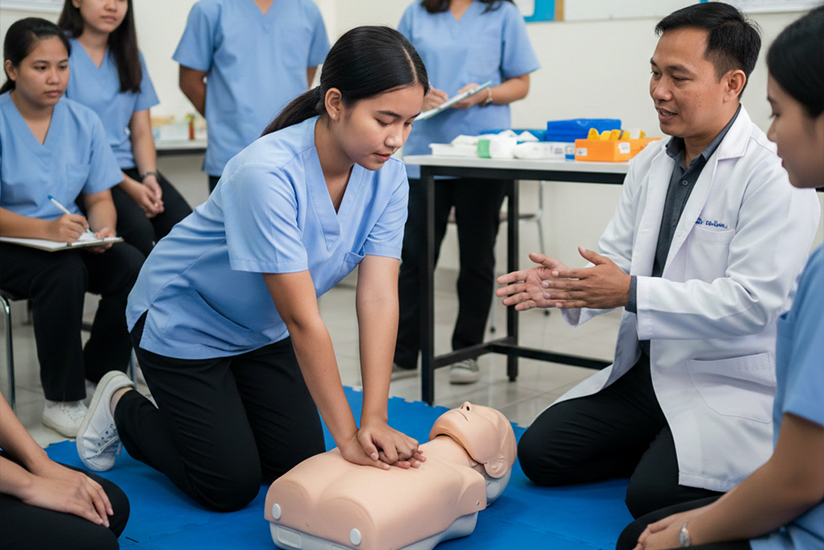
CPR training does not require complex equipment. In just one to two hours, students can learn:
- How to recognize cardiac arrest
- How to call emergency services
- How to perform hands-only CPR
- How to use an AED
Incorporating CPR into physical education or health classes is feasible, cost-effective, and transformative.
A CPR-trained generation is not only academically prepared — it is socially responsible and life-ready.
Schools are not only centers of knowledge. They are centers of civic formation.
Let us graduate students not only with diplomas — but with the power to save lives.