
By the FAME Leaders Academy and H&L Advisory Board
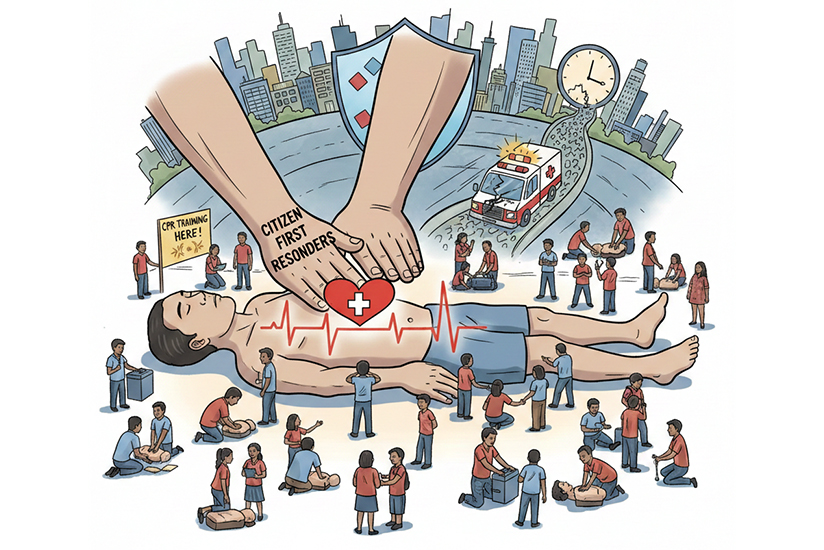
When someone collapses from sudden cardiac arrest, survival depends on what happens in the first few minutes. Not in the hospital. Not in the ICU. But on the pavement, in a classroom, inside a jeepney, or at home.
Cardiac arrest is one of the leading causes of sudden death worldwide. Survival decreases dramatically with each passing minute without cardiopulmonary resuscitation (CPR). Yet in many countries, including the Philippines, bystander CPR rates remain far below optimal levels.
The science is unequivocal: immediate chest compressions and rapid defibrillation significantly increase survival. Communities with high bystander CPR rates see markedly better outcomes. This is not a theoretical benefit — it is measurable and replicable.
The problem is not lack of medical knowledge. It is lack of public preparedness.
A nation cannot rely solely on hospital excellence if the public is untrained in the basics of life-saving response. Ambulances, no matter how efficient, cannot reverse brain injury that has already occurred. The first five minutes belong to the public.
To build national CPR readiness, policy must move beyond awareness and into infrastructure.
1. Mandate CPR Training in Schools
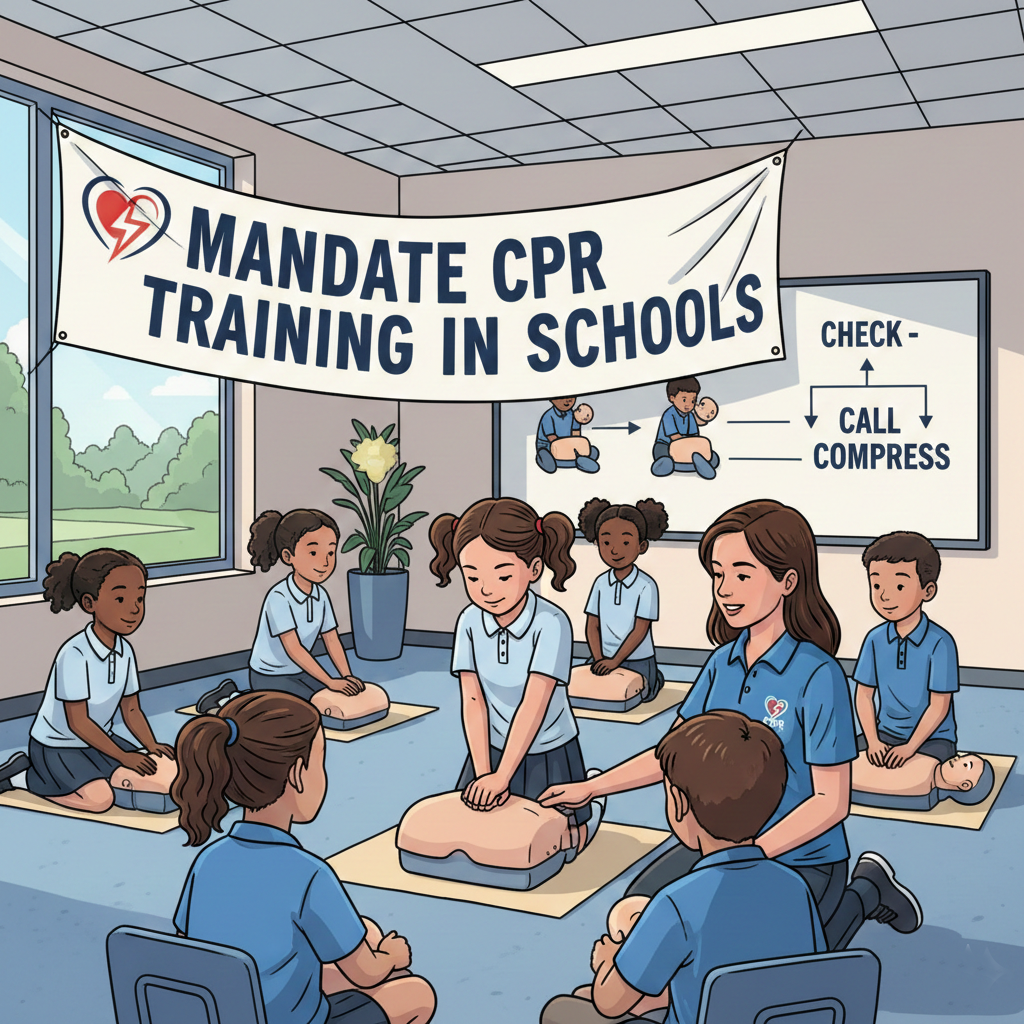
CPR should be a graduation requirement for high school students. Many countries have already implemented this successfully. A generation trained in CPR creates a culture of preparedness.
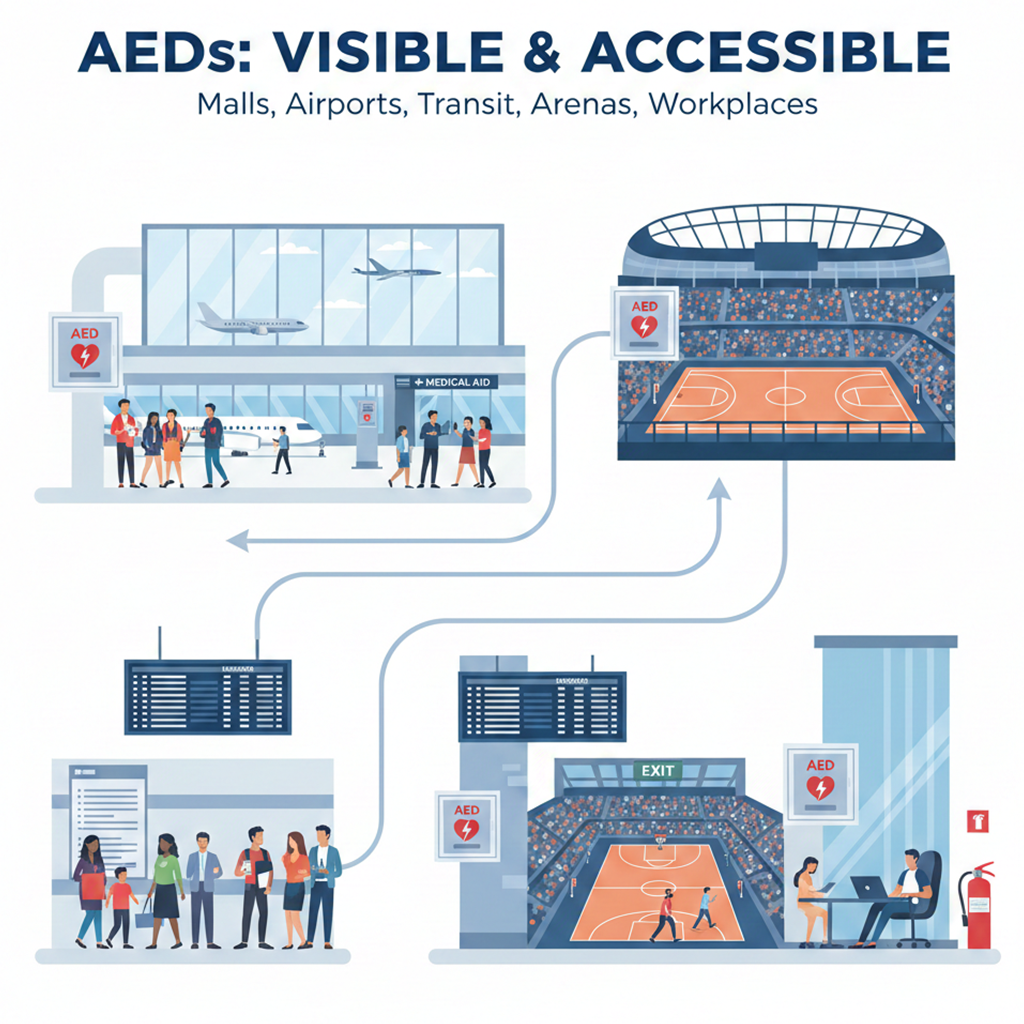
2. Public-Access AED Expansion
Automated external defibrillators (AEDs) should be visible and accessible in malls, airports, transportation terminals, sports arenas, and large workplaces. Mandating AED placement in high-traffic venues is an investment in survival.
3. Dispatcher-Assisted CPR
Emergency call centers must be equipped to guide callers step-by-step through CPR while help is en route. Clear national protocols can standardize this.
4. Workplace and Community Certification
Encourage tax incentives or accreditation recognition for businesses and barangays that maintain certified CPR responders.
5. Public Awareness Campaigns
Normalize CPR knowledge the way we normalize fire drills or earthquake preparedness.
Cardiac arrest is not rare. It is sudden, unpredictable, and unforgiving.
But it is also survivable.
National CPR readiness is not a luxury. It is a public health imperative.
Because survival should not depend on luck — it should depend on preparation.