
 By Henrylito D. Tacio
Coffee at breakfast, tea in the afternoon, a can of soda with lunch, and maybe an energy drink before hitting the gym — sound familiar? Add in chocolates, pain relievers, or even herbal tonics, and many Filipinos may be taking in far more caffeine than they realize.
When caffeine goes overboard
In 2016, The Freeman reported that 34 students in Cebu were hospitalized after free samples of bottled coffee containing 150 mg of caffeine. Doctors said this was more than double the recommended daily limit for minors (60–70 mg).
Caffeine’s half-life ranges from 1.5 to 9.5 hours. In plain terms: six hours after a cup of coffee, half the caffeine is still in your body. It may take up to 10 hours to completely clear your bloodstream. No wonder that late-afternoon latte keeps you tossing and turning at night.
What too much caffeine does
Caffeine is a stimulant, which explains the familiar boost — and the jitters. In excessive doses, it can produce serious symptoms:
- Brain and nerves: headaches, anxiety, tremors, tingling, seizures
- Heart: palpitations, chest pain, unstable blood pressure
- Stomach: nausea, diarrhea, abdominal pain
- General: insomnia, restlessness, dizziness, dehydration
Average daily caffeine intake (85–250 mg) sharpens alertness and focus. But high doses (250–500 mg) can trigger nervousness, agitation, or insomnia. Over 1 gram may cause seizures and cardiovascular instability. Fatal overdoses are extremely rare but documented: a 2018 review identified 92 caffeine-related deaths worldwide.
How much is in your cup?
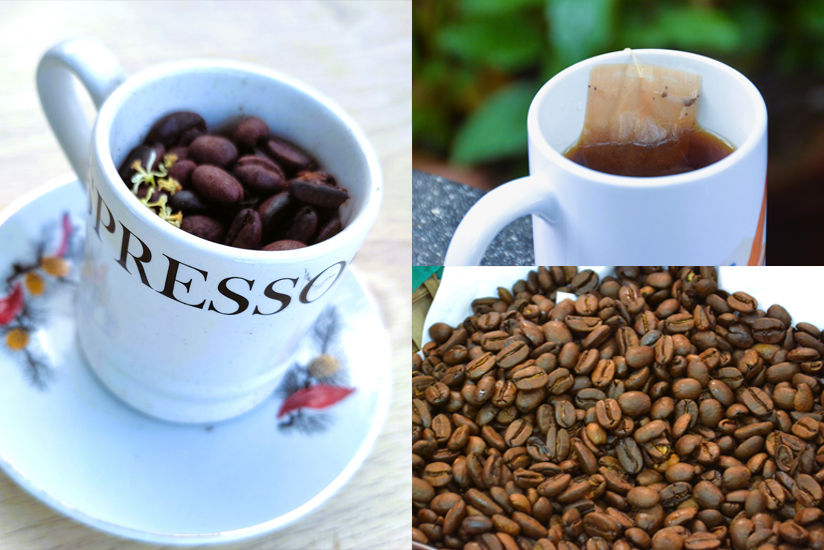
- Coffee: 57–100 mg (8 oz brewed)
- Tea: 45–74 mg (8 oz black tea)
- Soft drinks: 35–54 mg (12 oz cola or Mountain Dew)
- Energy drinks: 200–300 mg (5-Hour Energy, Bang)
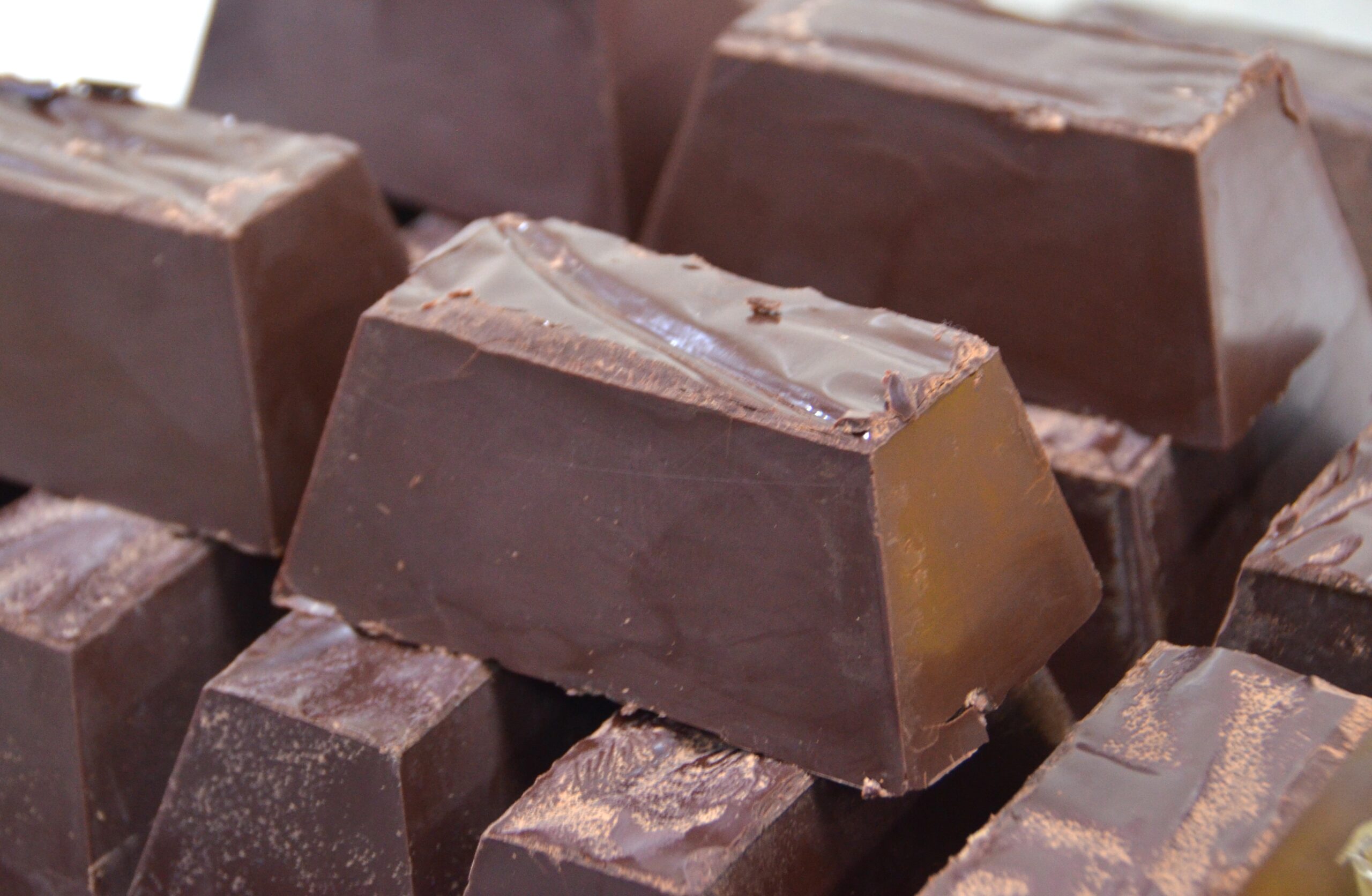
- Chocolate: 5 mg (milk, 1 oz) to 20 mg (dark, 1 oz)
- Medicines: 60–200 mg (Excedrin, Midol, Vivarin)
Caffeine in the Filipino diet
The Philippines is Asia’s second-largest coffee consumer after Japan. Surveys show 80% of Filipinos drink coffee daily, averaging 2–3 cups. Instant “3-in-1” mixes are especially popular — not only among adults, but worryingly, also among teens.
Globally, the safe upper limit for adults is ~400 mg/day (4–5 cups of coffee), while pregnant women should keep to 200 mg. For teens 12–18, the American Academy of Pediatrics recommends a maximum of 100 mg/day — about one cup of coffee or two cans of soda. Children under 12 should ideally avoid caffeine altogether.
Factors that change how your body handles caffeine
- Slower clearance: liver disease, pregnancy, infants
- Faster clearance: smokers (caffeine levels may double after quitting)
- Interactions: some medicines (painkillers, oral contraceptives, weight-loss pills) alter caffeine metabolism
Regular users may also experience dependence: headaches, irritability, and sleepiness if they stop abruptly.
A word of caution
Energy drinks, often marketed as “performance boosters,” pack more caffeine than most people realize. Combined with alcohol or taken in large amounts, they’ve been linked to ER visits and sudden cardiac events in young adults.
Bottom line: How to stay safe
- Limit intake: ≤400 mg/day for adults; ≤200 mg/day for pregnant women; ≤100 mg/day for teens.
- Avoid late-day caffeine to prevent insomnia.
- Read labels on painkillers and supplements.
- Watch for “hidden caffeine” in sodas, chocolates, and tonics.
- Be extra cautious if you have heart disease, hypertension, anxiety, or sleep problems.
Remember: oral doses above 10 grams can be fatal. While this is nearly impossible from beverages alone, the real danger lies in stacking multiple caffeine sources without realizing it.
Caffeine can sharpen your mind, fuel your day, and even boost workout performance. But like all stimulants, the key is moderation. Too much of a good thing — especially for young Filipinos — can turn a daily pick-me-up into a dangerous overdose.
“Caffeine is hard on an empty system, so I try not to do it unless it’s to get my heart rate up. If you drink caffeine 15 minutes before a workout, it can make it more effective. So, I’ll have tea or coffee after breakfast.” – Anna Kaiser