
Beyond Diet and Exercise: A Holistic Path to Lasting Health

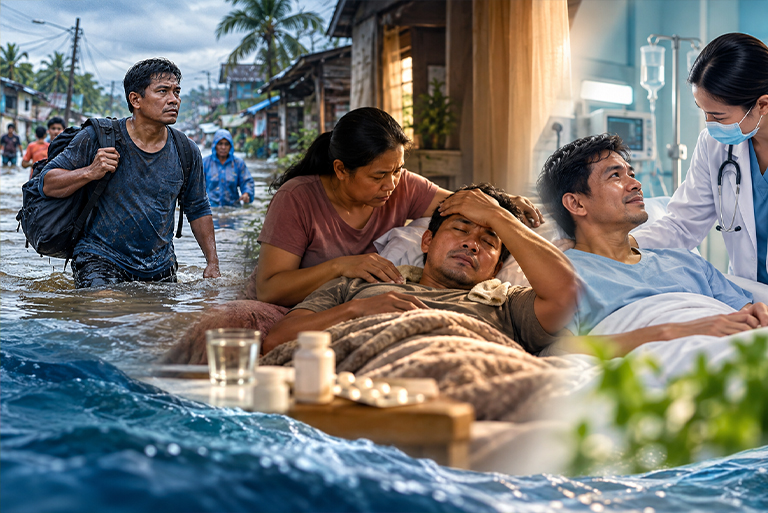
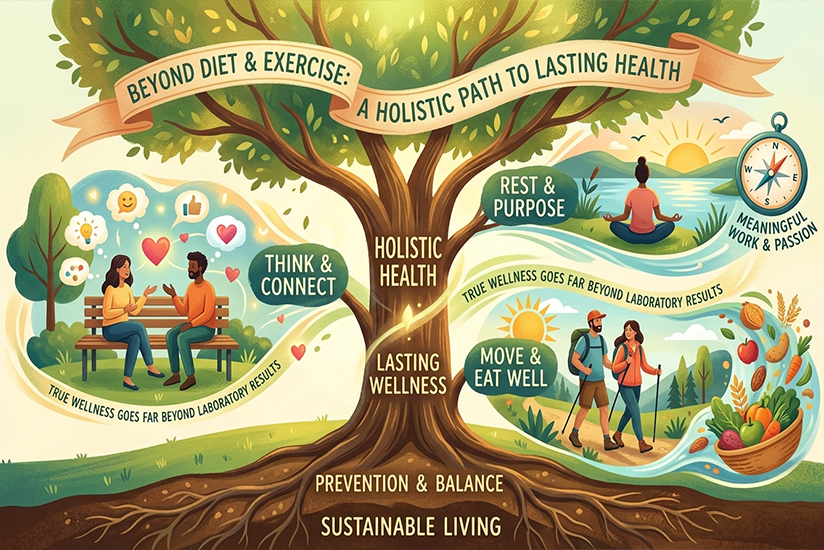
Health is often reduced to numbers — weight, blood pressure, cholesterol. But true wellness goes far beyond laboratory results. It is shaped by how we eat, move, think, rest, connect, and live with purpose. In today’s fast-paced, stress-laden world, chronic diseases are rising not because we lack medicine, but because we lack sustainable healthy living. A truly holistic lifestyle is not a luxury — it is the most powerful form of prevention we have.
What Does “Holistic Health” Really Mean?
Holistic health recognizes that the human being is not just a body, but a complex integration of physical, mental, emotional, social, and spiritual dimensions. It includes:
–Physical health (nutrition, activity, sleep)
–Mental and emotional resilience
–Social connection and relationships
–Spiritual grounding or sense of purpose
–Environmental and lifestyle context
When one dimension is neglected, the others eventually suffer.
The Five Pillars of Holistic Health
1. Nutrition: Food as Medicine
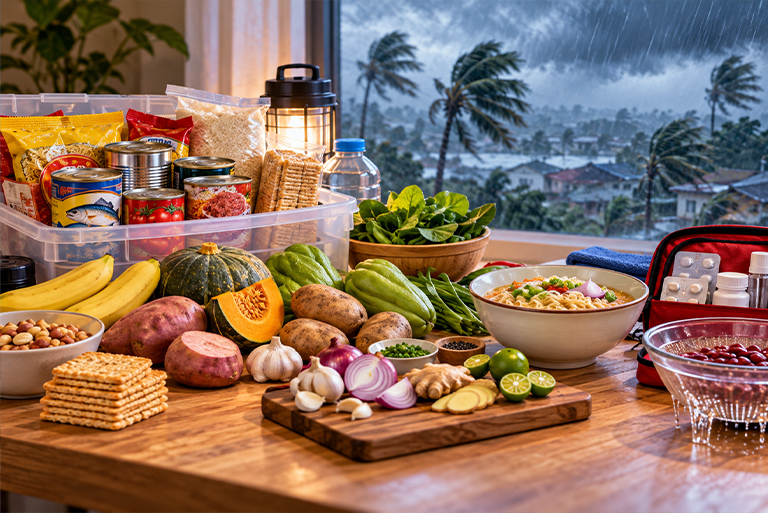
A healthy diet is not about restriction but nourishment.
Focus on:
- Whole, minimally processed foods
- High fiber intake (vegetables, fruits, legumes)
- Healthy fats (fish, nuts)
- Reduced sugar and processed foods
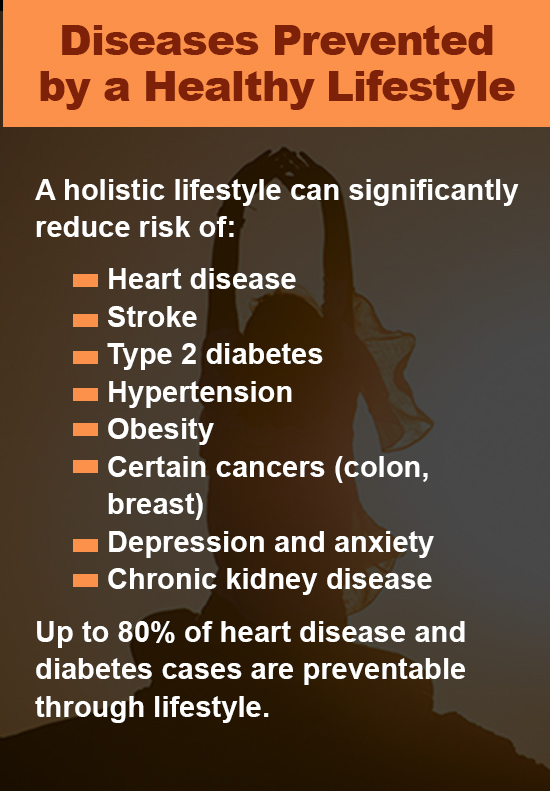
Poor nutrition contributes to:
- Diabetes
- Heart disease
- Obesity
- Cancer
2. Movement: The Body Was Designed to Move
Physical activity improves:
–Cardiovascular health
–Metabolic function
–Mental well-being
–Longevity
Even simple daily walking can significantly reduce disease risk.
3. Sleep: The Forgotten Medicine
Sleep is when the body repairs itself.
Chronic sleep deprivation is linked to:
- Hypertension
- Obesity
- Depression
- Cognitive decline
4. Mental and Emotional Health
Stress is no longer occasional — it is chronic.
Unmanaged stress contributes to:
- Heart disease
- Immune dysfunction
- Anxiety and depression
Practices like mindfulness, prayer, reflection, and social connection protect mental health.
5. Purpose and Spiritual Health
People who live with purpose tend to:
–Have better mental health
–Experience lower mortality
–Cope better with illness
Spiritual grounding — whether through faith or personal meaning — provides resilience.
The Filipino Reality
In the Philippines, lifestyle-related diseases are rising due to:
–High carbohydrate intake
–Sedentary work culture
–Chronic stress
–Poor sleep habits
–Increased processed food consumption
Yet we also have strengths:
–Strong family ties
–Community support
–Access to fresh produce
–Deep spiritual traditions
These can be powerful foundations for holistic health.
How to Sustain a Healthy Lifestyle
The challenge is not knowledge — it is consistency.
1. Start Small. Big changes fail. Small habits stick.
2. Build Systems, Not Willpower. Routine beats motivation.
3. Make Health Social. Exercise with family or friends.
4. Track Progress. Simple logs improve accountability.
5. Be Kind to Yourself. Perfection is not required. Consistency is.
A Practical Day of Holistic Living
Morning:
- Light stretching or walk
- Nutritious breakfast
- Quiet reflection or prayer
Midday:
- Balanced meals
- Short movement breaks
Evening:
- Family time
- Light dinner
- Digital detox
Night:
6–8 hours of sleep
Final Reflection
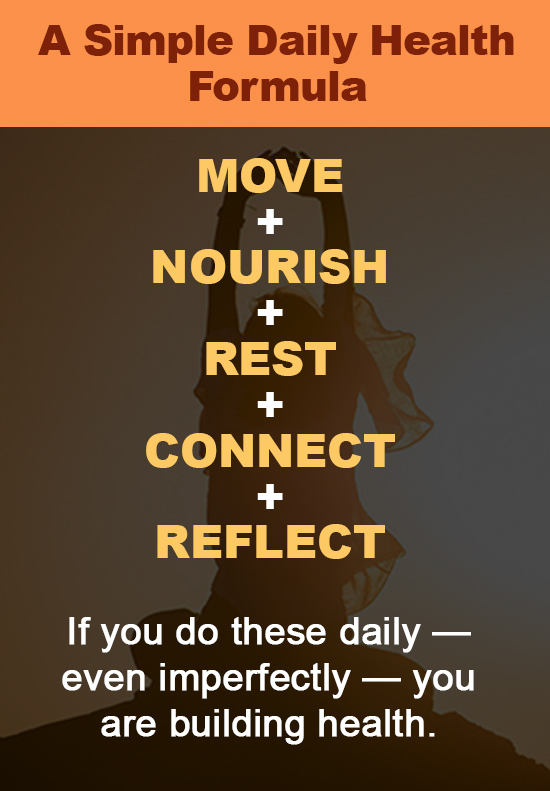
Health is not a destination. It is a daily practice. Not built overnight — but built every day.
And in the quiet consistency of those choices, we shape not only how long we live —but how well we live.
“Health is not built in hospitals — it is built daily, in the quiet choices we make about how we live.”
References
- World Health Organization. Noncommunicable Diseases Fact Sheet. 2024.
- American Heart Association. Lifestyle and Cardiometabolic Health. 2025.
- Harvard T.H. Chan School of Public Health. Healthy Eating Plate Guidelines.
- Willett WC, et al. Diet and health: What should we eat? Science. 2020. doi:10.1126/science.aax3327
- Booth FW, et al. Lack of exercise is a major cause of chronic diseases. Compr Physiol. 2012. doi:10.1002/cphy.c110025
- Walker MP. Sleep and human health. Nature Reviews Neuroscience. 2017. doi:10.1038/nrn.2017.65
- Cohen S, et al. Psychological stress and disease. JAMA. 2007. doi:10.1001/jama.298.14.1685
- Hill JO, et al. Obesity and lifestyle interventions. Circulation. 2012.
- Philippine Department of Health. NCD Prevention and Control Program.
- Philippine Statistics Authority. Leading Causes of Mortality. Latest data.