
Colorectal cancer — cancer of the colon and rectum — is one of the most common cancers worldwide and a leading cause of cancer deaths. Yet it is also among the most preventable. Most cases develop slowly over years, beginning as small growths called polyps that can be detected and removed before they turn cancerous. Understanding the causes, recognizing risk factors, and undergoing timely screening can dramatically reduce illness and save lives. For many families, awareness is the most powerful protection.
By Rafael R. Castillo, MD
What Is Colorectal Cancer?
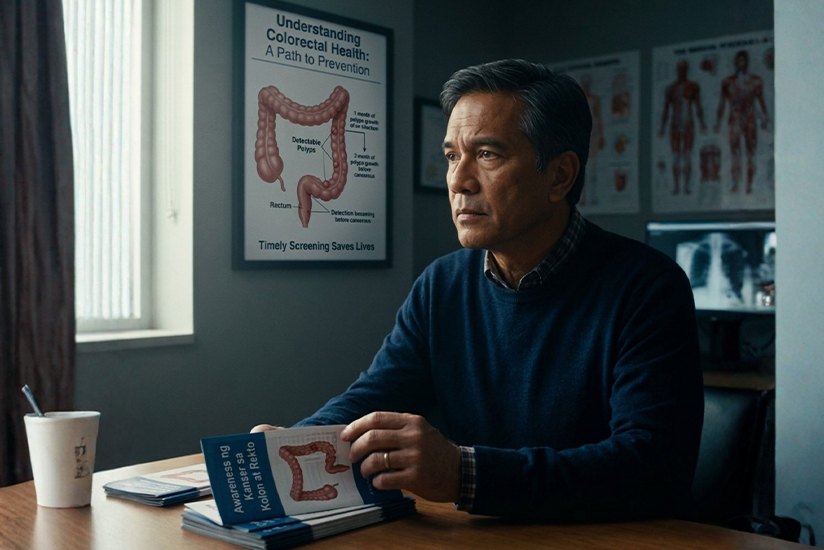
Colorectal cancer begins in the inner lining of the large intestine. It often starts as a polyp, a small abnormal growth that may not cause symptoms for years. While many polyps remain harmless, some gradually transform into cancer.
Because the colon’s role is digestion and waste elimination, tumors can silently grow before producing warning signs.
Why Does Colorectal Cancer Develop?
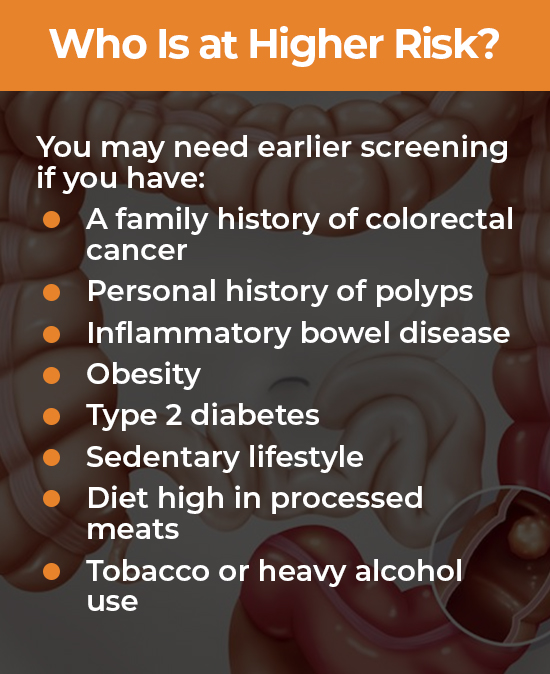
There is no single cause. Instead, colorectal cancer results from a combination of genetic susceptibility, aging, lifestyle factors, and environmental exposures.
1. Age
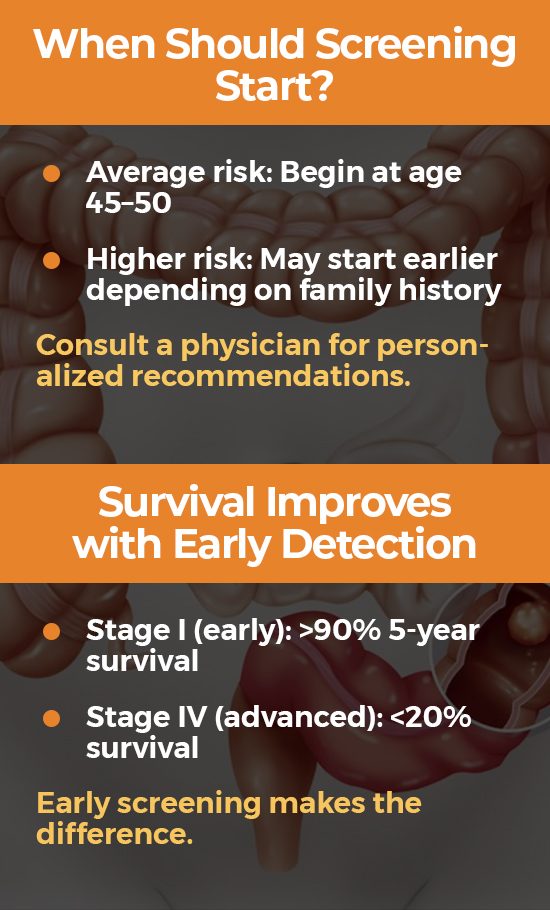
Risk rises significantly after age 50, though increasing cases are now seen in younger adults.
2. Family History and Genetics
Individuals with close relatives who had colorectal cancer or inherited syndromes such as familial adenomatous polyposis face higher risk.
3. Diet and Lifestyle
Dietary patterns strongly influence risk.
· High intake of processed and red meats
· Low fiber consumption
· Sedentary lifestyle
· Obesity
These factors may promote chronic inflammation and changes in gut bacteria that contribute to cancer development.
4. Smoking and Alcohol
Tobacco toxins and heavy alcohol use are linked to higher colorectal cancer rates.
5. Chronic Inflammation
Inflammatory bowel diseases such as ulcerative colitis and Crohn’s disease increase long-term risk.
Symptoms to Watch For
Early colorectal cancer may produce no symptoms. When present, warning signs include:
- Persistent change in bowel habits
- Blood in the stool
- Abdominal discomfort
- Unexplained weight loss
- Fatigue due to anemia
Because symptoms often appear late, screening is essential even for people who feel well.
Prevention: What You Can Control
While some risk factors cannot be changed, many protective strategies are within reach.
1. Eat a High-Fiber Diet
Fruits, vegetables, whole grains, and legumes promote healthy digestion and may reduce carcinogenic exposure.
2. Stay Physically Active
Regular exercise helps maintain healthy weight, improves metabolism, and reduces inflammatory markers.
3. Maintain Healthy Weight
Excess body fat is linked to increased insulin resistance and chronic inflammation.
4. Avoid Smoking
Smoking contributes to many cancers, including colorectal cancer.
5. Limit Alcohol
Moderate or avoid alcohol consumption.
6. Ensure Adequate Calcium & Vitamin D
These nutrients may support protective mechanisms in the colon lining.
The Power of Screening
Screening saves lives because it can detect cancer early and remove pre-cancerous polyps before they turn malignant.
Major Screening Options:
Stool-Based Tests
- Detect hidden blood or abnormal DNA markers
- Non-invasive
- Require regular repetition
Colonoscopy
- Direct visual examination of the colon
- Allows immediate removal of polyps
- Recommended every 10 years for average-risk adults starting at age 45–50
CT Colonography
- Imaging-based “virtual colonoscopy”
- Less invasive but requires bowel preparation
Treatment Basics: What Happens If Cancer Is Found?
Treatment depends on stage and spread.
Surgery
Primary treatment for localized tumors. Removal of the affected segment can be curative if cancer is detected early.
Chemotherapy
Used to kill cancer cells or prevent recurrence after surgery.
Targeted Therapy
Drugs that attack specific molecular pathways in cancer cells.
Immunotherapy
Enhances the immune system’s ability to recognize and destroy cancer.
Advances in therapy have improved survival rates significantly, especially when cancer is detected early.
Emerging Trends: Why Younger Adults Should Care
Although colorectal cancer traditionally affects older adults, rising cases among people under 50 have been observed globally. Sedentary lifestyles, obesity, and dietary patterns may contribute.
This underscores the importance of:
- Recognizing symptoms early
- Adopting preventive lifestyles
- Seeking medical advice promptly
Myths vs Facts
Myth: Only elderly people get colorectal cancer
Fact: Cases are rising among younger adults
Myth: If I have no symptoms, I don’t need screening
Fact: Early cancer is often silent
Myth: Colonoscopy is painful and dangerous
Fact: Modern procedures are safe and performed under sedation
A Family Matter
Colorectal cancer prevention is not just individual — it is familial. A diagnosis in one family member may signal increased risk for others.
Open conversations about family medical history help protect loved ones.
Final Message for H&L Readers
Colorectal cancer is one of the few cancers we can prevent through early detection and lifestyle choices. Yet many people delay screening due to fear, misconceptions, or lack of awareness.
The message is clear:
· Know your risk
· Live a preventive lifestyle
· Get screened on time
Because early detection does not only treat disease — it prevents it.
“Most colorectal cancers are not sudden events — they are the result of slow, silent changes that we can detect and stop early.”
References
- World Health Organization. Colorectal cancer fact sheet. WHO; updated 2024.
https://www.who.int/news-room/fact-sheets/detail/colorectal-cancer - Global Cancer Observatory (GLOBOCAN). Colorectal cancer statistics worldwide. International Agency for Research on Cancer; 2023.
- American Cancer Society. Colorectal Cancer Facts & Figures 2023–2025. Atlanta: ACS; 2023.
- Siegel RL, Miller KD, Fuchs HE, Jemal A. Cancer Statistics, 2024. CA: A Cancer Journal for Clinicians. 2024;74(1):17–48.
- US Preventive Services Task Force. Screening for Colorectal Cancer: Recommendation Statement. JAMA. 2021;325(19):1965–1977.
- Wolf AMD, et al. Colorectal cancer screening for average-risk adults: American Cancer Society Guideline Update. CA Cancer J Clin. 2018;68(4):250–281.
- Brenner H, Kloor M, Pox CP. Colorectal cancer. Lancet. 2014;383:1490–1502.
- Arnold M, et al. Global patterns and trends in colorectal cancer incidence and mortality. Gut. 2017;66(4):683–691.
- Dekker E, et al. Colorectal cancer. Lancet. 2019;394:1467–1480.
- National Comprehensive Cancer Network (NCCN). Clinical Practice Guidelines in Oncology: Colon Cancer. Version 2024.
- Philippine Cancer Society. Cancer Facts and Estimates Philippines 2023.
- Department of Health (Philippines). National Integrated Cancer Control Act (NICCA) Implementing Rules and Regulations; 2020.
Keum N, Giovannucci E. Global burden of colorectal cancer: Emerging trends and risk factors. Nat Rev Gastroenterol Hepatol. 2019;16:713–732.
Diet for Colon Health
How Everyday Food Choices Can Protect Your Gut

By the H&L Editorial Team
Our digestive system works quietly every day, processing meals, absorbing nutrients, and eliminating waste. Yet the colon — a vital part of this system — is often neglected until illness arises. Scientific research consistently shows that diet plays a major role in protecting the colon from inflammation, abnormal cell growth, and cancer development.
The encouraging news? Many protective choices are simple and affordable.
Fiber: The Colon’s Natural Cleanser
Dietary fiber helps move waste smoothly through the intestines, reducing the time harmful substances stay in contact with the colon lining. Fiber also feeds beneficial gut bacteria that produce short-chain fatty acids — compounds that protect colon cells.
Best sources:
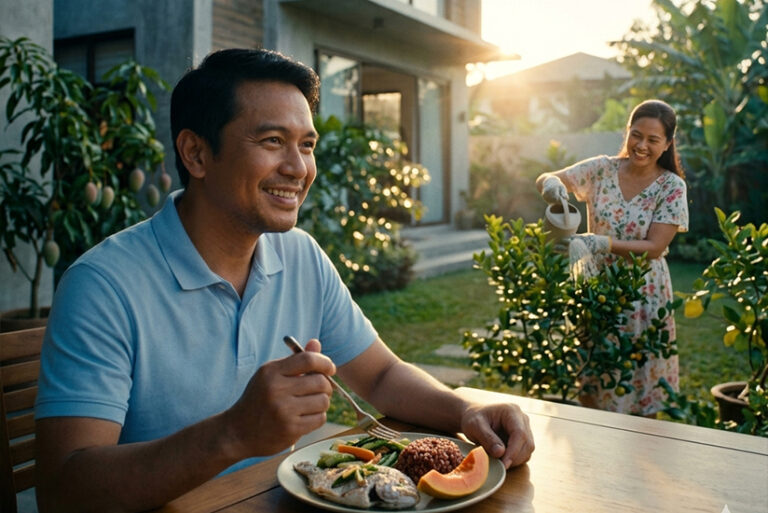
• Vegetables (malunggay, pechay, ampalaya)
• Fruits (papaya, bananas, apples)
• Whole grains (brown rice, oats, whole wheat bread)
• Legumes (monggo, beans, lentils)
Traditional Filipino Foods That Help
Many traditional Filipino dishes are naturally fiber-rich and gut-friendly:
• Ginisang monggo — rich in plant protein and fiber
• Laing — taro leaves high in antioxidants
• Pinakbet — vegetable stew packed with vitamins
• Fresh fruits like guava and pomelo
Returning to less processed, home-cooked meals is both culturally meaningful and medically beneficial.
Foods to Limit
Certain dietary patterns increase colorectal cancer risk:
• Processed meats (hotdogs, bacon, ham)
• Frequent red meat consumption
• Sugary beverages
• Highly processed snacks
• Excess alcohol
These foods may promote inflammation and unfavorable gut bacteria.
Hydration Matters
Water supports digestion and prevents constipation. Aim for 6–8 glasses daily.
Portion Control and Balance
Overeating strains metabolic systems. A balanced plate — half vegetables, one-quarter lean protein, one-quarter whole grains — supports long-term colon health.
“Your colon reflects your daily food choices. Nourish it wisely, and it will protect you for decades.”
A Survivor’s Story
“I Thought It Was Just Constipation” — Maria’s Journey

By Reuben Ricallo
Maria Santos (not her real name), a 52-year-old public school teacher from Laguna, was used to ignoring minor discomforts. Years of caring for her family had taught her endurance.
So when she began experiencing irregular bowel movements and occasional abdominal discomfort, she dismissed it as stress.
“I thought it was just constipation,” she recalls. “Teachers don’t get sick — we just get tired.”
Months passed. Fatigue worsened. She noticed blood in her stool but hesitated to seek care out of embarrassment.
Finally, during a routine clinic visit, her physician urged screening.
A colonoscopy revealed early-stage colorectal cancer.
“I was shocked,” she says. “I felt healthy.”
Fortunately, because the tumor was detected early, surgery successfully removed the cancer without the need for chemotherapy.
Recovery was challenging but hopeful.
“Screening saved my life,” Maria says. “If I waited longer, the story might have been different.”
Today, Maria advocates for awareness in her community, encouraging friends and fellow teachers to undergo screening.
Her message is simple:
“Do not wait for pain. Prevention is easier than treatment.”