
By Dr. Tony Leachon
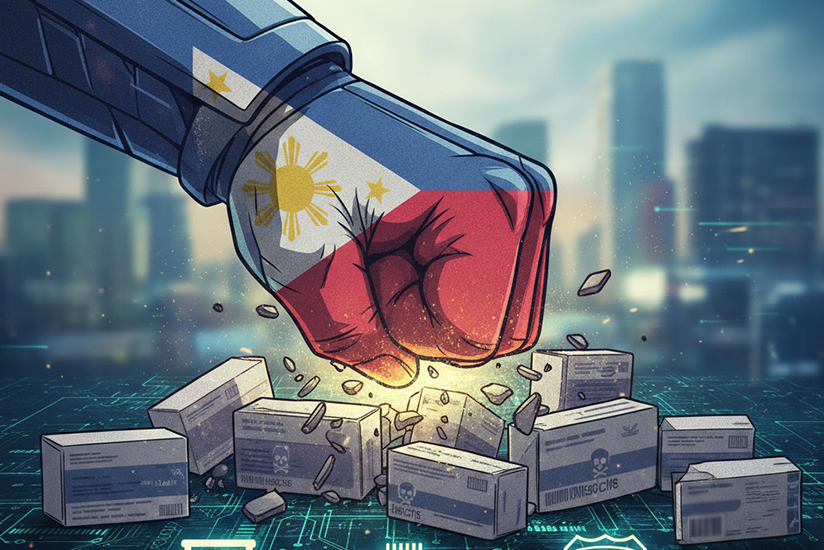
The Senate Health Committee hearing led by Sen. Risa Hontiveros and the Tulfo brothers has laid bare the dangerous proliferation of counterfeit medicines in the Philippines. Weak regulation and lax enforcement have allowed harmful products to flood both online platforms and local markets, undermining Universal Health Care and putting millions of Filipinos at risk.
Sen. Hontiveros rightly warned that if regulation remains weak, sickness among the masses will prevail. She highlighted how e-commerce platforms enable sellers to hide behind multiple accounts, leaving consumers unprotected. Sen. Raffy Tulfo underscored enforcement failures, presenting counterfeit products openly sold in Binondo and Quiapo, while Sen. Erwin Tulfo revealed that out of 3,000 complaints, only 14 were charged and just three convicted—a glaring sign of systemic breakdown.
This situation demands urgent and decisive action:
Immediate Reforms
• Review penalties for violators. Current sanctions are grossly inadequate. Congress must file an urgent bill imposing incarceration and significantly higher fines to deter counterfeiters.
• Mobilize enforcement agencies. The NBI, DOJ, and PNP must be empowered through executive orders with quasi-judicial authority to raid, prosecute, and dismantle counterfeit medicine networks.
• Platform accountability. Facebook, Lazada, and Shopee must verify FDA registration before allowing listings and deliveries of pharmaceutical products. Platforms must be held liable if they enable the sale of unregulated medicines.
Leveraging Technology: Blockchain as a Shield
Blockchain technology offers a powerful solution. By creating a tamper-proof digital ledger, every medicine can be traced from manufacturer to patient. Each pack can carry a unique identifier recorded on the blockchain, ensuring authenticity and preventing counterfeit products from entering the supply chain. This system—already piloted in the US and EU—provides transparency, security, and trust, making it nearly impossible for fake medicines to infiltrate legitimate channels.
Learning from Global Best Practices
• Serialization and barcoding (EU model). Require every medicine pack to carry a unique barcode, scanned before sale to ensure authenticity.
• Blockchain tracking (US/EU pilots). Adopt blockchain technology to trace medicines across the supply chain.
• AI monitoring (China, EU). Use advanced algorithms to detect suspicious seller behavior on e-commerce platforms, flagging counterfeit listings before they reach consumers.
• International cooperation. Partner with ASEAN neighbors and global agencies like Interpol and the World Customs Organization to conduct joint raids and intelligence sharing.
• Public awareness campaigns. Launch nationwide education drives warning Filipinos about the risks of buying medicines from unverified online sellers, similar to campaigns in Brazil and Turkey.
Conclusion
Fake medicines are not just a regulatory issue—they are a public health emergency. Every counterfeit pill erodes trust in our health system, endangers lives, and undermines Universal Health Care. The Philippines must combine local enforcement reforms with global best practices and modern technology to protect its people. Accountability must go hand in hand with innovation. Only then can we restore confidence, safeguard health, and renew faith in our institutions.
#HealthWithHonor