

By Dr. Tony Leachon

Background
On February 4, the Philippine Heart Association reported a critical shortage of cardiologists. At present, only about 2,500 cardiologists serve more than 112 million Filipinos—roughly one specialist for every 44,000 people. Half of these are concentrated in Metro Manila, leaving many provinces underserved. Patients outside the capital often endure long travel, extended waiting times, and delayed treatment for life-threatening heart conditions.
This shortage is especially alarming because cardiovascular diseases remain the leading causes of death in the Philippines. In 2024, ischemic heart disease accounted for nearly 20% of all deaths nationwide, followed closely by stroke. Hypertension continues to be a major driver of these conditions.
Brain Drain and Workforce Challenges
The shortage of cardiologists reflects deeper systemic challenges:
• Urban migration: Specialists cluster in Metro Manila, leaving rural areas without adequate coverage.
• Foreign migration / diaspora: Filipino doctors continue to seek opportunities abroad, contributing to the global shortage of healthcare professionals.
• Limited medical schools: The country does not produce enough specialists to meet demand, and training slots remain scarce.
• Gap years and lifestyle choices: New medical graduates often take time off or pursue alternative paths to achieve better work-life balance, delaying entry into practice.
Systemic Barriers
Beyond workforce issues, structural failures deepen the crisis:
• Defunding of PhilHealth: Cuts and inefficiencies in the national health insurance program undermine the promise of Universal Health Care, leaving patients vulnerable to catastrophic expenses.
• Unrealized UHC goals: The long-overdue implementation of UHC remains stalled, with inequities in access and financing persisting.
• Ghost hospitals and weak infrastructure: Facilities exist on paper but not in reality, while many countryside hospitals lack equipment, specialists, and reliable funding. This leaves rural Filipinos with little more than empty promises.
Lifestyle and Environmental Risks
The crisis is compounded by lifestyle and environmental factors that fuel cardiovascular disease:
• Smoking and vaping continue to rise, especially among the youth, increasing long-term risks for heart disease and stroke.
• Alcohol consumption contributes to hypertension, arrhythmias, and other cardiovascular complications.
• Obesity and poor diet remain widespread, driven by sedentary lifestyles and limited access to healthy food options.
• Walking environments and urban design often discourage physical activity, with unsafe streets, lack of sidewalks, and limited green spaces reducing opportunities for exercise.
Without addressing these everyday realities, even the best medical interventions will fall short.
The Way Forward
The solution cannot rest solely on producing more specialists. What the Philippines urgently needs is:
• Strengthened primary care and public health systems to detect and manage cardiovascular risk factors early.
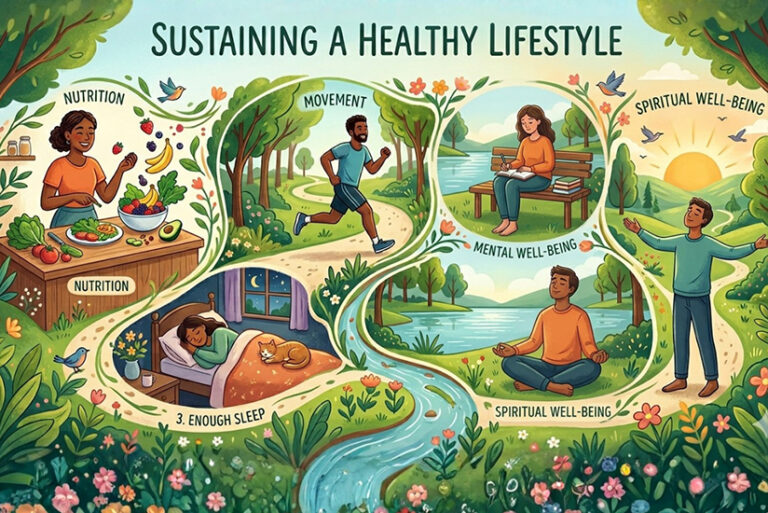
• Preventive health education that empowers Filipinos to make informed lifestyle choices—controlling blood pressure, eating healthily, exercising regularly, and undergoing routine check-ups.
• Equitable healthcare distribution and infrastructure investment to ensure provinces and underserved communities have access to timely care.
• Transparent governance and accountability to eliminate ghost hospitals, ensure PhilHealth funds are protected, and finally realize the UHC vision.
• Policies that support retention and fair work conditions for doctors, reducing the push factors behind migration and burnout.
• Urban planning reforms that create safe, walkable environments—making healthy living not just a choice, but an accessible reality.
Call to Action
We must shift the narrative from “treatment after illness” to “prevention through education and self-care.” Every Filipino should be empowered to take charge of their health, supported by a healthcare system that values accessibility, fairness, and transparency.
The shortage of cardiologists is a wake-up call. It reminds us that while specialists are essential, the true foundation of a healthy nation lies in strong primary care, preventive health, and the empowerment of ordinary citizens. But it also demands that government leaders confront systemic failures—defunded health insurance, ghost hospitals, and unrealized UHC goals—that continue to betray the promise of equitable healthcare.
Only by addressing both the human resource crisis and the structural gaps, while tackling lifestyle risks head-on, can we build a healthcare system worthy of the Filipino people.
#RelentlessForChange
#HealthWithHonor