

Practical, evidence-based tips for everyday living
By the H&L Editorial Team
1. Smart Eating for Better Blood Sugar
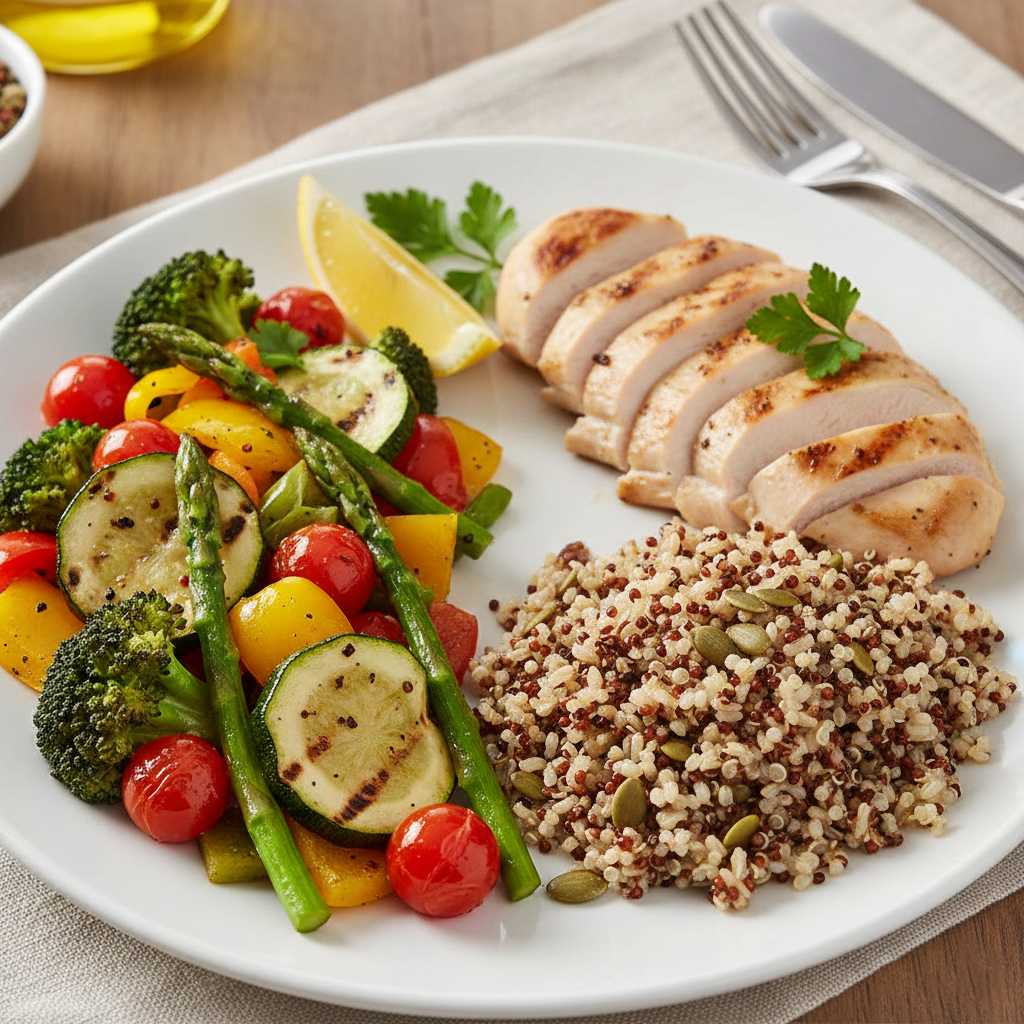
✔ Follow the Plate Method (very easy to remember):
- ½ plate: non-starchy vegetables
(ampalaya, okra, talong, pechay, broccoli, cauliflower, cucumber) - ¼ plate: lean protein
(fish, chicken breast, tofu, eggs, legumes) - ¼ plate: whole grains or high-fiber carbs
(brown rice, red rice, quinoa, whole wheat bread, sweet potato)
✔ Avoid Sugar Spikes

- Cut sugary drinks (soft drinks, juice concentrates, milk tea).
- Limit white rice—mix with brown/red rice.
- Choose high-fiber fruits: apple, pear, berries, papaya.
✔ Portion Control is Key
Small but frequent meals prevent extreme highs and lows.
2. Physical Activity: Your “Natural Insulin Booster”

✔ Aim for at least 150 minutes per week of exercise
Brisk walking, stationary biking, dancing—anything that raises your heart rate safely.
✔ The 10-10-10 Rule
10 minutes after breakfast, lunch, and dinner → 30 minutes daily.
This flattens blood sugar spikes and aids weight loss.
✔ Strength Exercises 2–3 times a week

More muscle = better glucose control.
Use resistance bands, 1–2 kg dumbbells, or simple bodyweight exercises.
3. Weight Control & Waistline Goals
✔ Even a 5–7% weight loss makes a big difference
Improves sugar, cholesterol, blood pressure, and fatty liver.
✔ Waistline targets (more accurate than BMI):
- Men: below 90 cm (35.5 inches)
- Women: below 80 cm (31.5 inches)
Excess belly fat increases insulin resistance—even in normal-weight individuals.
4. Sleep & Stress Management: The “Hidden Causes” of High Sugar

✔ Aim for 7–8 hours of sleep
Poor sleep increases insulin resistance and triggers cravings.
✔ Limit screen time before bed
Blue light disrupts hormones that regulate appetite and sugar.
✔ Practice daily stress-reduction rituals
- Deep breathing
- Short prayer or meditation
- 10-minute quiet walk
- Light stretching
Stress hormones raise blood sugar levels.
5. Daily Habits That Protect the Heart & Kidneys

Diabetes is a metabolic condition, but most complications come from heart, nerve, eye, and kidney damage.
✔ Don’t skip medications
Metformin, SGLT2 inhibitors, GLP-1 agonists, statins, and BP meds all work together.
✔ Check your feet daily
Look for cuts, redness, or swelling.
✔ Avoid smoking—even “light” or occasional smoking
Smoking rapidly accelerates nerve damage and heart disease.
✔ Drink enough water

Proper hydration prevents dehydration-triggered sugar spikes.
6. “Red Flags” That Need Immediate Medical Attention
- Blurred vision
- Persistent abdominal pain
- Sudden weakness or numbness
- Chest pain or shortness of breath
- Foot wounds that don’t heal
- Very frequent urination with severe thirst
These may signal complications that require urgent care.
7. Routine Check-Ups: Your Safety Net

✔ Every 3 months:
- HbA1c
- Blood pressure check
- Weight & waistline
✔ Every 6–12 months:
- Cholesterol panel
- Kidney tests (creatinine, urine microalbumin)
- Eye check (retinal exam)
✔ Once a year:
- Flu vaccine
- Pneumococcal vaccine for seniors