

By: Chamuel Josh Aguas
Working in women’s health as a male marketer carries a unique responsibility. Beyond campaigns and product messaging lies a deeper challenge – truly understanding the lived realities of women. Through conversations, collaboration, and careful listening, one marketer reflects on how empathy and awareness can reshape the way we approach women’s wellness.
Working on women’s health products as a male marketer comes with a unique responsibility. At first, I believed my role was straightforward: develop campaigns, communicate product benefits, and reach the right audience.
Over time, however, I realized that understanding women’s wellness requires something far deeper than marketing strategies or creative execution. It begins with listening – really listening – to the lived experiences of women.
Seeing Wellness Beyond the Product
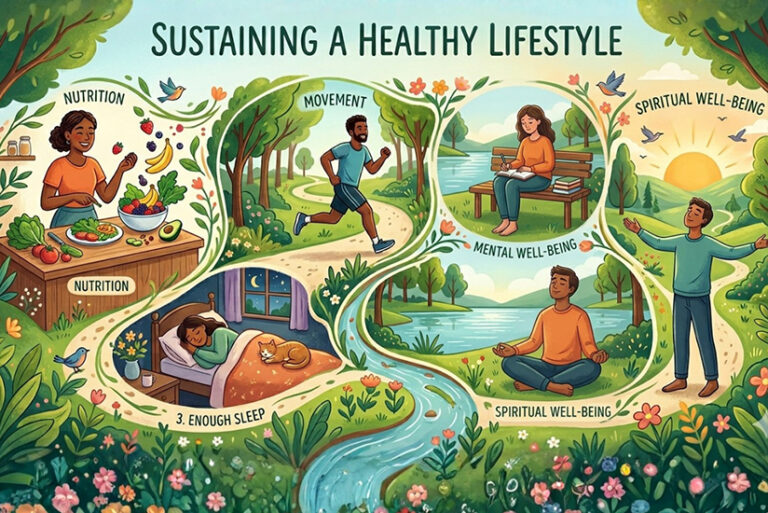
I once viewed women’s wellness in conventional terms: physical health, nutrition, reproductive care, or hormonal balance. But the more I spoke with real women, the more I realized that well-being extends far beyond these categories.
For many Filipinas, wellness is closely connected to the multiple roles they carry each day. They balance careers, support their families, nurture relationships, and often serve as the emotional backbone of their households. Witnessing this firsthand helped me understand how these responsibilities influence their approach to health, self-care, and the choices they make about wellness products.
From a marketer’s perspective, this realization changed everything.
I began to see that products are only one part of a much bigger picture. Health and well-being are deeply connected to everyday realities—time, responsibilities, priorities, and support systems. Understanding this requires humility, curiosity, and genuine attention.
Working closely with female consumers, colleagues, and partners reinforced an important truth: the most valuable insights rarely come from assumptions or generalized research. They come directly from the women themselves.
Listening to their experiences has taught me several important lessons:
• Prioritizing personal well-being can be challenging. Many women struggle to find time for themselves amid the demands of work, family, and community.
• Support systems matter. Emotional, logistical, and practical support significantly influence how women approach health decisions.
• Being heard matters more than being spoken for. Authentic engagement creates deeper trust than messages that attempt to define what women “should” value.
These lessons have reshaped the way I approach every campaign.
Empathy, authenticity, and respect for lived experiences are no longer optional – they are essential.
Supporting women’s wellness is not simply about promoting products. It is about creating conversations that are meaningful, respectful, and genuinely relevant to the lives women lead every day.
“Understanding women’s wellness isn’t about speaking for women – it begins with listening to their experiences.”
Takeaway Message
True insight comes from listening. When marketers take the time to understand the real lives, challenges, and priorities of women, wellness communication becomes more authentic, respectful, and meaningful.