
By Dr. Tony Leachon
To teach. To heal. To lead.
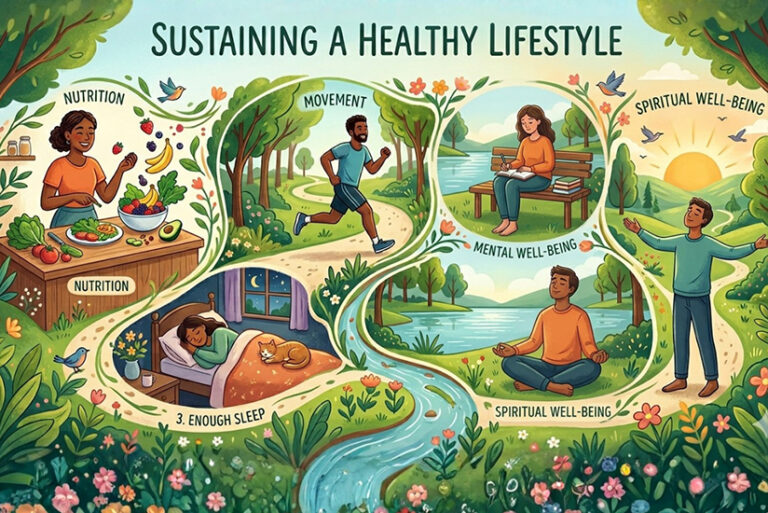
The health of nations is not built solely in hospitals but in classrooms, kitchens, and communities. Chronic diseases—cardiovascular illness, diabetes, obesity, and cancer—are largely preventable, yet they continue to overwhelm health systems worldwide. At the heart of this paradox lies a gap: physicians and educators are undertrained in nutrition and preventive health, leaving patients without the guidance they need to live healthier lives.
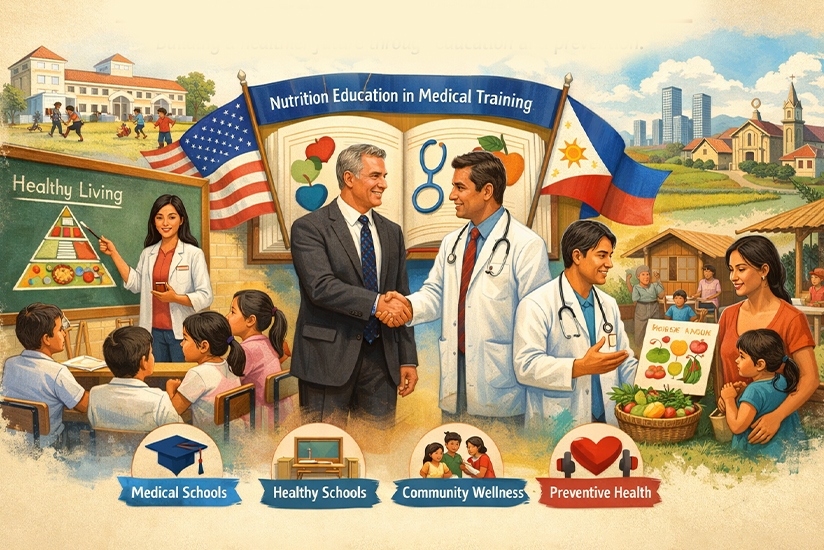
Recently, U.S. Health and Human Services Secretary Robert F. Kennedy Jr. announced a partnership with 53 medical schools to integrate nutrition education into medical training. This bold initiative recognizes that doctors must be equipped not only to prescribe medicines but also to counsel patients on diet, lifestyle, and prevention. It is a logical, evidence-based step toward rebalancing healthcare from treatment to prevention.
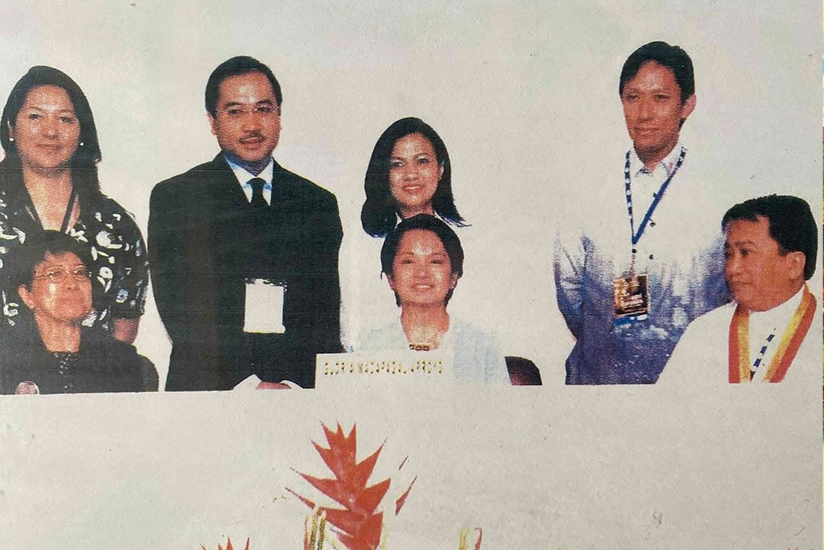
The Philippines has its own precedent. On December 27, 2006, President Gloria Macapagal-Arroyo signed Executive Order (EO) 595, known as the Health Education Reform Order (HERO). This landmark policy mandated the integration of preventive health education into the curriculum of all public and private elementary, high school, and collegiate institutions. Its purpose was clear: to transition the educational system from a curative, treatment-centered model to one grounded in prevention, evidence-based practice, and lifestyle-driven health approaches.
Key Details of HERO (EO 595):
• Purpose: To combat common diseases by embedding preventive health education in schools.
• Curriculum Focus: Modules designed to address the top causes of morbidity and mortality in the Philippines.
• Implementation: Overseen by the Department of Education (DepEd), in coordination with the Department of Health (DOH), Commission on Higher Education (CHED), and other agencies.
• Key Components: Education on risk factors for common diseases, promoting healthy lifestyles early on.
• Committee on HERO: A multi-agency committee, including technical experts, was created to evaluate the program’s impact.
• Support: The initiative was heavily backed by organizations like the Philippine College of Physicians, recognizing its potential to reduce long-term healthcare costs through proactive health awareness.
Despite its promise, HERO’s implementation has been uneven, and its vision remains unfinished. Yet, its framework remains a powerful reminder that preventive health education is not a luxury—it is a necessity.
Policy Directions
1. Medical Education Reform: Mandate nutrition and preventive health modules in all medical schools, with competency-based training in dietary counseling and lifestyle medicine.
2. Integration Across All Levels: Revitalize EO 595 by embedding preventive health education in primary, secondary, and tertiary curricula.
3. Public-Private Partnerships: Engage government, medical associations, and civil society in sustained awareness campaigns.
4. Accountability: Require annual reporting from medical schools and institutions on preventive health outcomes.
Conclusion
Preventive health education is not ancillary—it is central to healing and leadership in medicine. By embedding nutrition and wellness into our educational system, we honor our duty to future generations. Physicians must be healers of disease, but also teachers of wellness and leaders of reform.
To teach. To heal. To lead.
This is the path toward a healthier, more resilient nation.
#RelentlessForChange
#HealthWithHonor
References
• Lawphil. Executive Order No. 595: Health Education Reform Order (HERO), December 27, 2006.
• Philippine College of Physicians archives, HERO program advocacy.
• U.S. Department of Health and Human Services, Robert F. Kennedy Jr. initiative on nutrition education in medical schools (2025).