
By Reuben Ricallo
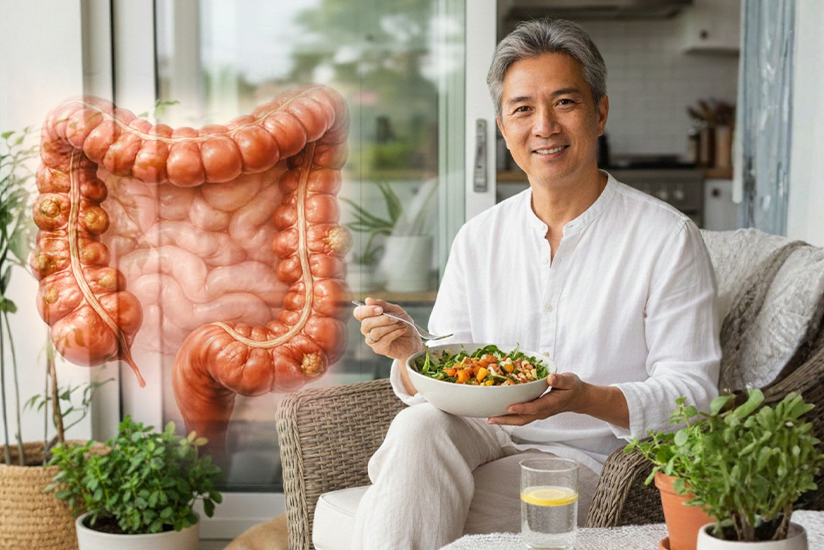
Diverticulosis is common and usually harmless. The goal of lifestyle care is not to “cure” the pouches, but to prevent inflammation, bleeding, and future complications. These practices are safe, practical, and supported by current evidence.
1. Build a fiber-forward daily plate
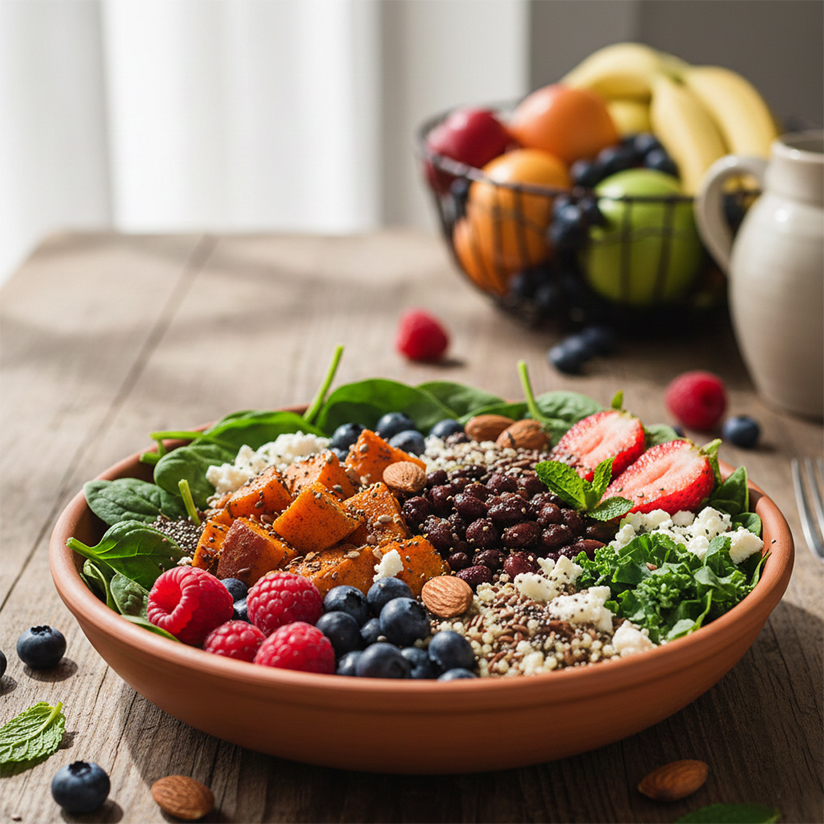
Dietary fiber helps soften stool and reduce pressure inside the colon.
- Aim to include vegetables, fruits, legumes, and whole grains daily.
- Increase fiber gradually to avoid bloating.
- If needed, your doctor may recommend a fiber supplement.
- Drink adequate fluids to help fiber work properly.
2. Stay well-hydrated
Water keeps stools soft and reduces straining.
- Sip water regularly throughout the day.
- Limit sugary drinks and excessive caffeine.
3. Move your body regularly
Physical activity improves bowel function and reduces pressure in the colon.
- Walking, light exercise, stretching, or household activity all count.
- Aim for regular movement most days of the week—consistency matters more than intensity.
4. Maintain a healthy weight

Excess weight increases the risk of diverticulitis and complications.
- Focus on gradual, sustainable weight control rather than crash diets.
5. Avoid smoking
Smoking is associated with a higher risk of diverticular complications and delayed healing.
6. Use pain relievers wisely
Frequent use of certain pain medications (especially NSAIDs) may increase the risk of bleeding or inflammation.
- Consult your doctor about safer alternatives when possible.
7. Don’t fear nuts, seeds, or popcorn
Current evidence shows these foods do not increase the risk of diverticulitis and do not need to be avoided unless they personally cause discomfort.
8. Keep bowel habits gentle
- Avoid straining during bowel movements.
- Respond promptly to the urge to defecate.
- Do not rely on laxatives unless advised by a healthcare professional.
9. Watch for warning signs
Know the symptoms that require medical attention—pain, fever, vomiting, or bleeding—and seek care early.
Key Reminder
Diverticulosis is a long-term condition best managed with daily habits, not strict rules. A healthy colon thrives on fiber, fluids, movement, and moderation.