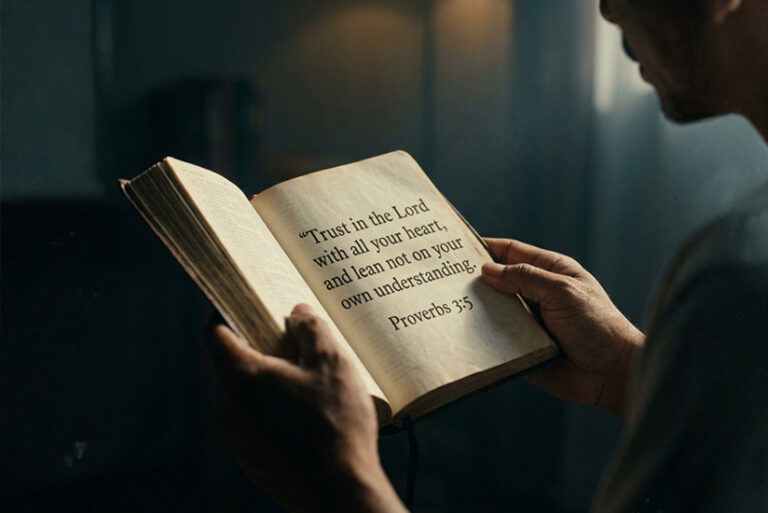


The “ber” months have always carried more than just cold air for me. Behind the lights and music lies a quiet season of struggle—one that’s taught me how faith, even when fragile, can keep you warm until help and healing find their way.
By Marth Mora
Every year, as the “ber” months roll in, the world seems to glow brighter—carols on the radio, lights on every corner, the promise of celebration everywhere. Yet for as long as I can remember, that same season has brought me something else: a heaviness I couldn’t explain.
It always felt strange to be sad when everything around me looked so happy. My birthday even falls during this time, but the warmth of the season never quite reached me. I’d smile when expected, laugh at the right moments, but deep down, I was just trying to hold myself together—fighting a quiet battle that no one could see.
In the past, I dealt with it poorly. I distracted myself, worked longer hours, scrolled endlessly through social media, surrounded myself with noise. I thought if I kept busy enough, maybe the silence inside me would fade. But no matter how much I tried, the sadness always returned, as sure as the colder nights that marked the year’s end.
At first, I didn’t know where to turn. Prayer wasn’t part of my coping toolkit. It wasn’t that I didn’t believe in God—it’s that I didn’t know how to talk to Him about my confusion. I thought prayer was reserved for people who had clarity, who could string together the right words. I was the opposite—lost, restless, and uncertain where faith fit into the mess of my thoughts.
That began to change toward the end of college, when I met someone who carried her faith like a quiet light. She didn’t preach or lecture; she simply lived her life with calmness that came from trust. Through her, I realized faith didn’t need to be perfect to be powerful. You could come to God with trembling hands and still be welcomed.
With her encouragement, I began to pray again—hesitant at first, but hopeful. Not the kind of prayer that demanded answers, but the kind that whispered, “Please stay with me while I find my way.”
Over time, I learned that sometimes healing doesn’t arrive through a single person or moment. Sometimes, it’s scattered across days and encounters—a kind stranger, a post that feels like it was written just for you, a friend who checks in right when you’re slipping. Maybe that’s how God works, sending reminders through ordinary people, quiet signals that say, “You’re still seen.”
Prayer became that signal for me. It didn’t replace professional help or the need to talk to someone—it simply became the bridge between my pain and my patience. I’ve come to see that prayer, when honest, isn’t denial. It’s surrender. It doesn’t erase sadness, but it steadies you long enough to reach the next step of healing.
And slowly, I began to understand: it’s okay to need both faith and therapy, prayer and medication, divine comfort and human connection. They don’t compete—they complete each other.
The Conclusion
The “ber” months still come, and sometimes the chill still settles in. But it’s different now. I’ve stopped trying to outrun it. Instead, I meet it with quiet faith and the belief that every season—no matter how cold—has its own promise of spring.
Some days, faith feels like a whisper. Other days, it’s the warmth of a friend’s message, a verse that lands at the right moment, or the stillness after a long sigh. And through all of it, I’ve learned that God’s comfort doesn’t always arrive in miracles; it often comes through moments that remind you: you are not forgotten.
Takeaway Message
You don’t need unshakable faith to survive the cold—just enough to keep holding on. Because sometimes, God’s greatest gift isn’t instant healing, but the quiet strength to keep waiting for it.
“Faith doesn’t replace healing; it gives you the strength to keep walking toward it.”