
Colorectal cancer is no longer a disease confined to older adults. Across the world — and increasingly in the Philippines — doctors are seeing more patients in their 20s, 30s, and 40s diagnosed with this once age-associated cancer. Often silent in its early stages, the disease is frequently detected only when symptoms become severe, reducing the chances of successful treatment. From global celebrities to beloved Filipino athletes, real-life stories now underscore a sobering truth: colorectal cancer is striking earlier, and awareness must begin sooner.
By Dr. Tony Leachon
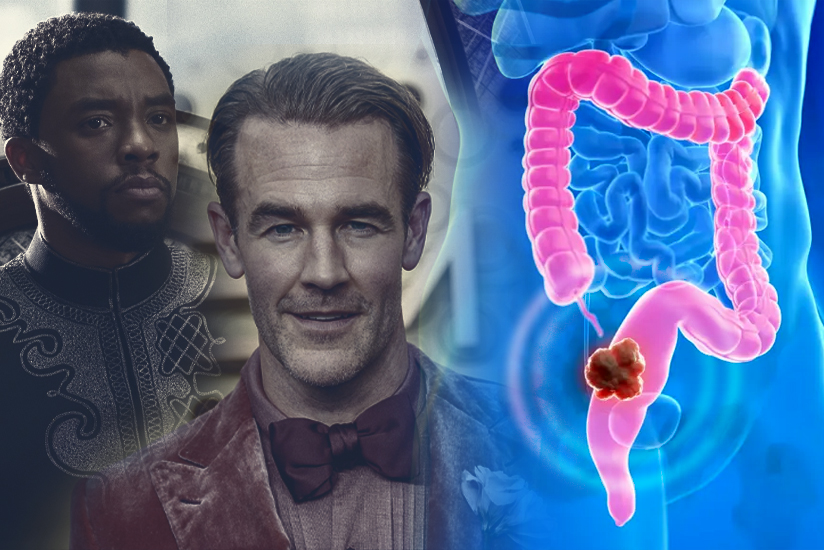
Colorectal cancer, once considered a disease of older adults, is now rising at alarming rates among people under 50. This shift has caught the medical community’s attention, especially as tragic cases remind us of its devastating impact—such as actor Chadwick Boseman, who died at 43, and James Van Der Beek, star of Dawson’s Creek, who passed away at 49.
Closer to home, we also witnessed the battle of PBA star LA Tenorio, who was diagnosed with colorectal cancer but survived thanks to timely intervention and treatment. His recovery is a powerful reminder that early detection can save lives.
The Growing Trend
Since the 1990s, colorectal cancer incidence in younger adults has increased by more than 30%. While overall rates in older populations have declined due to screening and preventive measures, younger adults are facing a different reality: they are often diagnosed late, when the disease is already advanced.
Why Is This Happening?
The exact reasons remain unclear, but several contributing factors are being studied:
• Lifestyle and Diet: Increased consumption of processed foods, red meat, and low-fiber diets may play a role. Rising obesity and sedentary lifestyles are strongly linked to higher risk.
• Gut Microbiome Changes: Alterations in gut bacteria due to diet, antibiotics, or environmental exposures may influence cancer development.
• Environmental Exposures: Contact with pollutants, chemicals, and endocrine disruptors is under investigation.
• Metabolic Disorders: Higher rates of diabetes and metabolic syndrome may contribute to risk.
• Genetics and Family History: While some cases are hereditary, most are sporadic, making awareness and vigilance essential.
The Screening Gap
One of the most critical issues is delayed screening. Standard guidelines now recommend starting colorectal cancer screening at age 45, but many younger adults with symptoms are overlooked because they fall outside traditional screening age. This delay often leads to diagnosis at stage III or IV, when treatment is more difficult.
Moving Forward
The rise of colorectal cancer in younger adults is a public health challenge that requires urgent attention. Awareness of symptoms—such as rectal bleeding, unexplained weight loss, persistent abdominal pain, or changes in bowel habits—must be emphasized. Preventive lifestyle changes, earlier screening for high-risk individuals, and stronger public education campaigns are essential.
Colorectal cancer is not just an “older person’s disease.” It is a growing threat to younger generations, and the best defense is vigilance, awareness, and timely action. The stories of Chadwick Boseman and James Van Der Beek remind us of the tragedy of late diagnosis, while LA Tenorio’s recovery shows us the hope that comes with early detection and intervention.
“Colorectal cancer is no longer an old person’s disease — it is an emerging threat to younger generations, and early awareness can mean the difference between life and loss.”
References
• American Cancer Society. Colorectal Cancer Facts & Figures 2023.
• National Cancer Institute. Early-Onset Colorectal Cancer Research.
• Centers for Disease Control and Prevention (CDC). Colorectal Cancer Screening Guidelines.
• Mayo Clinic. Colorectal Cancer in Younger Adults: Risk Factors and Trends.
• Philippine Daily Inquirer. LA Tenorio’s Recovery from Colorectal Cancer.