
Understanding the Science, Benefits, and Boundaries of Going Without Food
Fasting — the voluntary abstinence from food — is one of humanity’s oldest health and spiritual practices. From religious traditions to modern wellness trends, it has been embraced for discipline, detoxification, and disease prevention. Today, scientific research is shedding new light on fasting’s potential benefits, from improving metabolic health to enhancing cellular repair. Yet fasting is not universally safe. Like any powerful intervention, it requires understanding, balance, and proper guidance. The question is no longer whether fasting works — but for whom, how, and when.
By Rafael R. Castillo, MD
What Happens to the Body During Fasting?
When we eat regularly, the body relies on glucose as its primary fuel. During fasting, metabolism shifts:
After 8–12 hours: glycogen stores are depleted
After 12–24 hours: fat breakdown increases
Beyond 24 hours: ketones become a major energy source
At the cellular level, fasting activates autophagy, a process where damaged cells are broken down and recycled — often described as the body’s “internal cleanup system.”
Types of Fasting
Intermittent Fasting (IF)
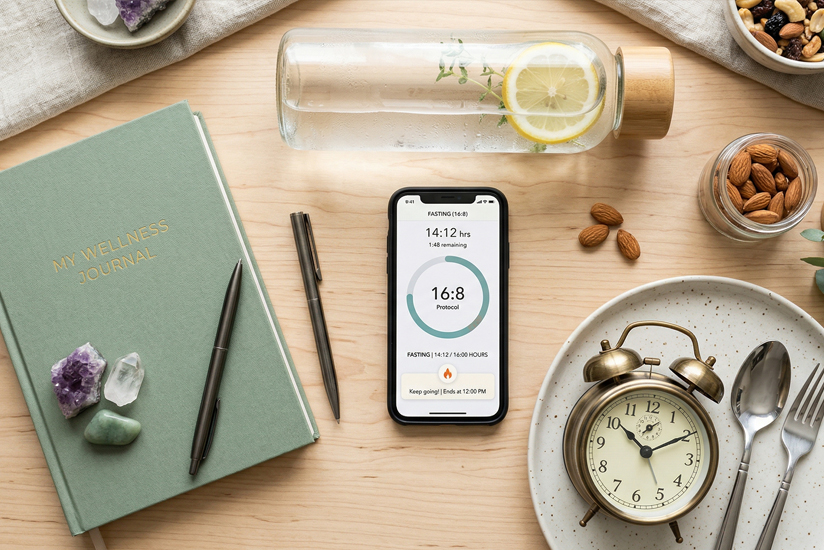
16:8 (16 hours fasting, 8-hour eating window)
5:2 (2 low-calorie days/week)
Time-Restricted Eating
Eating within a fixed daily window (e.g., 10–12 hours)
Religious Fasting
Ramadan, Lent, and other traditions
Prolonged Fasting
24+ hours (requires medical supervision)
The Science-Backed Benefits of Fasting
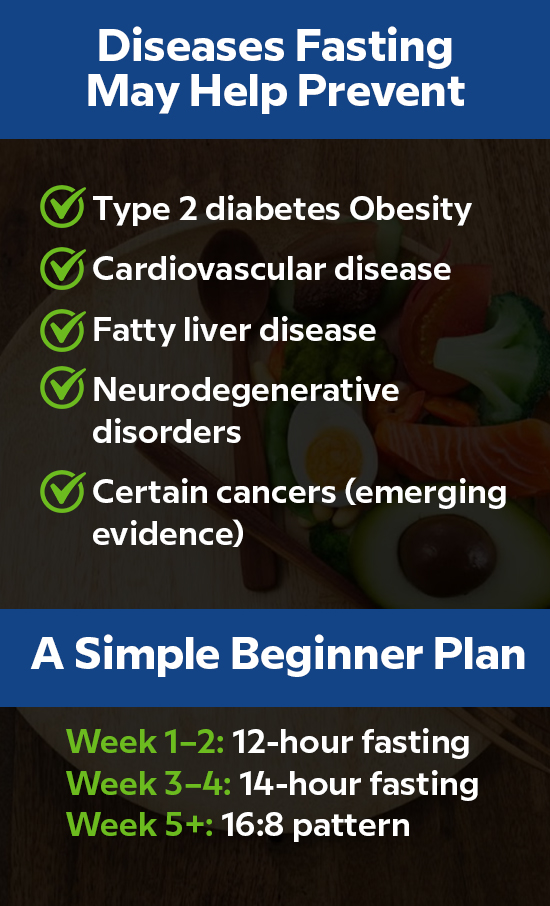
1. Metabolic Health Improvement
Fasting improves insulin sensitivity, helping regulate blood sugar levels and reducing the risk of type 2 diabetes.
2. Weight and Fat Reduction
By shifting the body to fat-burning mode, fasting can help reduce visceral fat — a key driver of heart disease.
3. Cellular Repair (Autophagy)
Fasting activates cellular “housekeeping,” removing damaged proteins and potentially reducing cancer risk and aging-related diseases.
4. Cardiovascular Benefits
Studies show improvements in:
–Blood pressure
–Cholesterol levels
–Inflammatory markers
5. Brain Health
Fasting may enhance:
–Brain-derived neurotrophic factor (BDNF)
–Cognitive function
–Resistance to neurodegenerative diseases
The Filipino Context: Tradition Meets Science
Fasting is not new to Filipino culture. Many Filipinos observe fasting during:
- Lent
- Religious devotions
- Personal discipline practices
However, modern fasting trends differ — often emphasizing weight loss rather than spiritual reflection.
In a country facing rising rates of:
- Diabetes
- Hypertension
- Obesity
Fasting, when done properly, may serve as a practical and culturally acceptable tool for prevention.
The Risks and Cautions
Fasting is not universally safe.
Who Should Avoid or Modify Fasting
- Pregnant or breastfeeding women
- Children and adolescents
- Individuals with diabetes (especially on medication)
- Patients with eating disorders
- Elderly individuals with frailty
- Those with chronic illnesses
Potential Risks
Hypoglycemia (low blood sugar)
Dehydration
Electrolyte imbalance
Nutrient deficiency
Muscle loss (with prolonged fasting)
Warning Signs During Fasting
Seek medical advice if you experience:
–Severe dizziness
–Fainting
–Confusion
–Persistent weakness
–Irregular heartbeat
The Common Mistake: “Feast After Fast”
One of the biggest pitfalls is overeating after fasting.
This can:
- Reverse metabolic benefits
- Spike blood sugar
- Promote weight gain
Fasting is not effective if paired with unhealthy eating habits.
How to Practice Fasting Safely
Start Gradually
Begin with 12-hour fasting → progress to 14–16 hours
Stay Hydrated
Water, herbal teas, and non-caloric fluids are essential
Eat Nutrient-Dense Foods
Break the fast with balanced meals — not processed foods
Listen to Your Body
Fatigue and hunger are expected; severe symptoms are not
Seek Medical Advice
Especially for patients with existing conditions
Fasting and Spiritual Health
Beyond biology, fasting has long been a practice of:
- Discipline
- Reflection
- Gratitude
- Spiritual renewal
When combined with intention, fasting nourishes not just the body — but the soul.
A Balanced Perspective
Fasting is not a miracle cure. It is not necessary for everyone. And it is not a replacement for:
Healthy diet
Physical activity
Adequate sleep
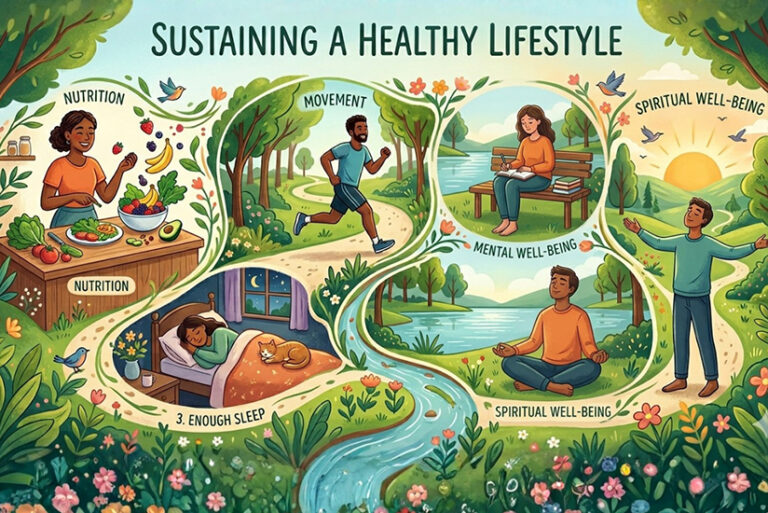
But when integrated properly, it can be a powerful complement to a healthy lifestyle.
Final Message
Fasting reminds us of a deeper truth: Health is not only about what we consume — but also about what we allow the body to rest from. In a world of constant excess, sometimes the most healing act is simply to pause.
“Fasting can be a powerful tool for healing — but like all powerful tools, it must be used wisely.”
References
1. Mattson MP, et al. Effects of intermittent fasting on health, aging, and disease. N Engl J Med. 2019;381:2541–2551. doi:10.1056/NEJMra1905136
2. de Cabo R, Mattson MP. Effects of intermittent fasting on health and aging. Cell Metab. 2019;30(2):181–192. doi:10.1016/j.cmet.2019.07.021
3. Longo VD, Panda S. Fasting, circadian rhythms, and time-restricted feeding. Cell Metab. 2016;23(6):1048–1059. doi:10.1016/j.cmet.2016.06.001
4. Anton SD, et al. Flipping the metabolic switch. Obesity. 2018;26(2):254–268. doi:10.1002/oby.22065
5. Patterson RE, Sears DD. Metabolic effects of intermittent fasting. Annu Rev Nutr. 2017;37:371–393. doi:10.1146/annurev-nutr-071816-064634
6. World Health Organization. Healthy diet guidelines. 2024.
7. American Heart Association. Diet and lifestyle recommendations. 2025.
8. Longo VD, et al. Fasting and cancer therapy. Cancer Cell. 2016;30(4):597–610. doi:10.1016/j.ccell.2016.09.005