
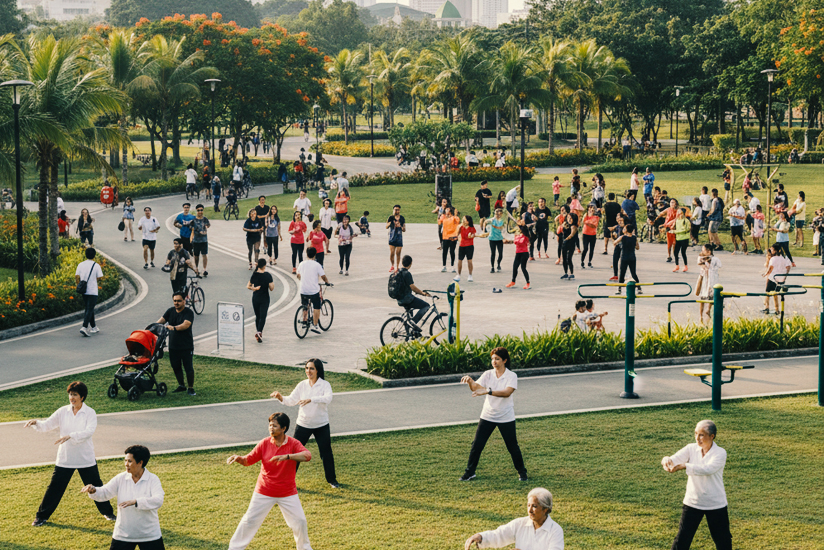
Healthy living is often marketed as expensive and complicated—but in reality, the most powerful habits are simple, affordable, and built into daily routines. This guide shows how ordinary individuals and families can make meaningful health improvements in 2026 without spending more, proving that consistency, not cost, is the true foundation of long-term wellness.
By Reuben Ricallo
When people talk about “living healthy,” many immediately think of gym memberships, organic food, wearable gadgets, and expensive supplements. For the ordinary worker or busy parent, that can make wellness feel like a luxury instead of a basic right.
But good health does not require big spending. What it requires is consistent, inexpensive choices that quietly protect your body every day. As 2026 begins, the most powerful lifestyle changes are not found in shopping carts—they are found in routines.

1. Walk Like It’s Medicine—Because It Is
You don’t need a treadmill to protect your heart.
A 30-minute brisk walk five days a week lowers blood pressure, improves blood sugar control, reduces stress, and helps prevent weight gain. It also improves sleep and mood.
No equipment needed. No membership required.
Turn commuting time into walking time when possible. Walk after dinner instead of scrolling on your phone. Invite family members to join—walking becomes easier when it becomes social.
2. Fix the Plate Before Buying Supplements
Before spending on vitamins, improve what’s already on the plate.
A healthy meal does not need imported ingredients.
Local, affordable staples already do the job:
- Rice paired with vegetables and protein (eggs, fish, tofu, chicken)
- Malunggay, kangkong, pechay, squash, and sitaw for fiber and micronutrients
- Fish twice a week for heart health
- Fruits in season instead of sugary desserts
The simplest rule: half the plate vegetables, one-quarter protein, one-quarter rice. This improves nutrition without increasing food cost.
3. Drink Water Like It’s Part of the Prescription
Many people confuse fatigue and hunger with dehydration.
Drinking more water:
- Reduces headaches
- Improves digestion
- Helps control appetite
- Supports kidney health
A reusable water bottle is cheaper than daily sugary drinks—and far better for long-term health.
4. Sleep: The Most Underrated Free Medicine
Sleep is not laziness. It is repair time.
Consistently sleeping 7–8 hours per night improves immunity, memory, blood pressure, and emotional balance. It also lowers the risk of obesity and diabetes.
Low-cost sleep upgrades:
- Fixed bedtime and wake time
- Dim lights at least 30 minutes before bed
- Phone off the bed, not on it
Good sleep costs nothing—and saves medical bills later.
5. Stretch More, Sit Less
Long hours of sitting are now linked to back pain, stiff joints, and metabolic problems.
Simple fixes:
- Stand and stretch every 30–60 minutes
- Do light stretches while watching TV
- Gentle yoga using free online videos
Flexibility protects joints and prevents injuries—especially as we age.
6. Stress Control Doesn’t Need Fancy Retreats
Stress raises blood pressure, worsens diabetes, weakens immunity, and disrupts sleep. Yet stress management is often marketed as expensive spa experiences.
Affordable stress care includes:
- 5 minutes of slow breathing
- Short prayer or reflection breaks
- Talking with a friend instead of isolating
- Limiting social media doom-scrolling
Peace of mind is a health intervention, not a luxury.
7. Prevent Illness Instead of Paying for Treatment
Prevention is cheaper than cure.
Low-cost prevention habits:
- Annual blood pressure and sugar checks
- Vaccinations when available
- Regular dental hygiene
- Early consultation when symptoms persist
Delaying care often leads to higher expenses later.
8. Build Health Into Daily Routines, Not Big Plans
Most health goals fail because they are too ambitious.
Instead of saying:
“I will exercise every day for one hour.”
Try:
“I will walk for 20 minutes after dinner.”
Instead of:
“I will eat perfectly.”
Try:
“I will add vegetables to every meal.”
Small habits done daily outperform big plans done occasionally.
9. Social Health Matters Too
Loneliness increases the risk of heart disease, depression, and cognitive decline.
Low-cost social wellness:
- Eat meals with family when possible
- Walk with neighbors
- Join community or church activities
- Maintain regular contact with friends

Health is not just biological—it is relational.
10. Track Progress, Not Perfection
Healthy living is not about being flawless. It is about being more consistent this year than last year.
Track simple wins:
- Number of walking days per week
- Home-cooked meals per week
- Bedtime consistency
- Reduced sugary drinks
Progress is motivating. Perfection is exhausting.

What Makes These Changes Powerful
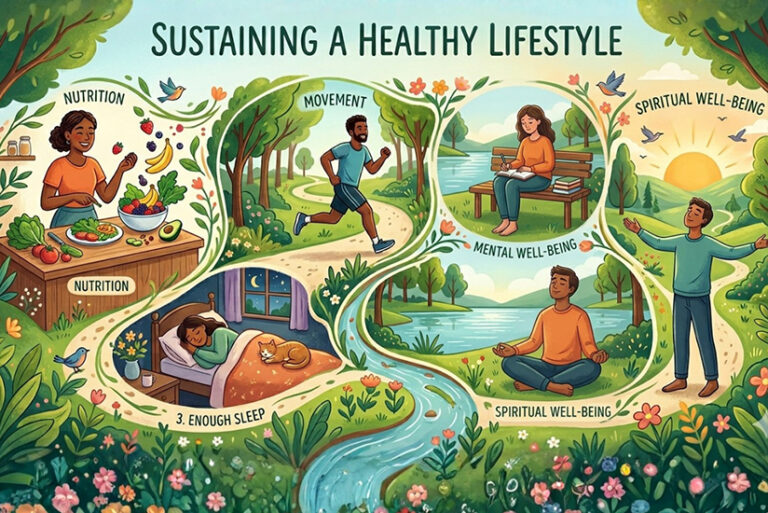
These lifestyle upgrades work because they:
- Reduce chronic inflammation
- Improve metabolic health
- Protect mental well-being
- Lower long-term medical expenses
They do not require:
- Expensive equipment
- Imported superfoods
- Extreme diets
They require discipline, not spending.
A Realistic Health Goal for 2026

Instead of promising dramatic transformations, aim for this:
By the end of 2026, I will walk regularly, sleep better, eat more vegetables, manage stress more calmly, and seek care earlier when needed.
That goal alone can significantly reduce future disease risk.
The Bottom Line
Health should not depend on income level.
While poverty and inequality affect health access, many of the strongest protective habits remain within reach of ordinary people. They are quiet, unglamorous, and powerful.
In 2026, the most sustainable health strategy is not expensive—it is consistent.
And consistency, thankfully, is something we can all afford.
“Good health isn’t built in gyms or grocery aisles alone—it’s built in daily habits we repeat without thinking.”