
Small Habits That Make Fasting Work for You

By the H&L Editorial Team
1. Start Slow, Not Strong
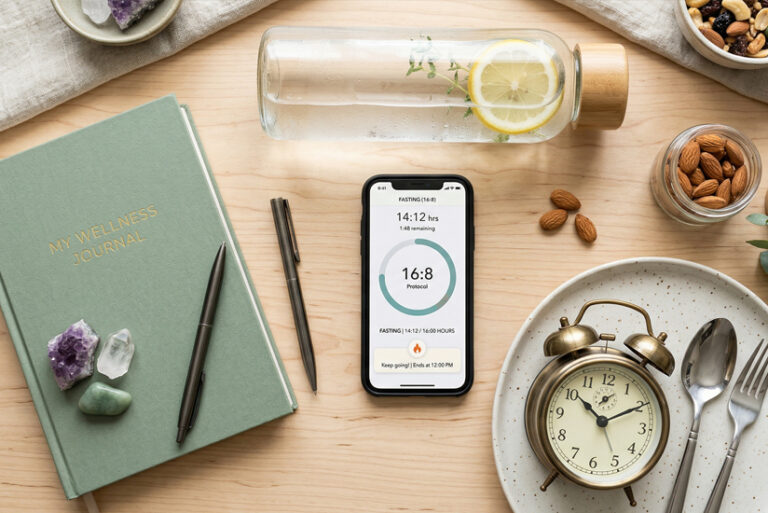
Don’t jump into 16–18 hour fasting immediately
Begin with 12 hours → gradually increase
Your body adapts better to gentle transitions than sudden changes.
2. Hydrate Like It Matters—Because It Does
Drink water regularly
Add herbal teas or black coffee (no sugar)
Dehydration is one of the most common causes of dizziness during fasting.
3. Break Your Fast Wisely
Avoid:
Sugary foods
Processed snacks
Large heavy meals
Choose:
Fruits
Vegetables
Lean protein
Healthy fats
The first meal after fasting sets the tone for your metabolism.
4. Don’t “Reward Eat”
Many people overcompensate after fasting.
Eat mindfully
Stop when satisfied—not full
5. Keep Moving—But Smartly
Light exercise (walking, stretching) is safe
Avoid intense workouts when starting
6. Protect Your Sleep
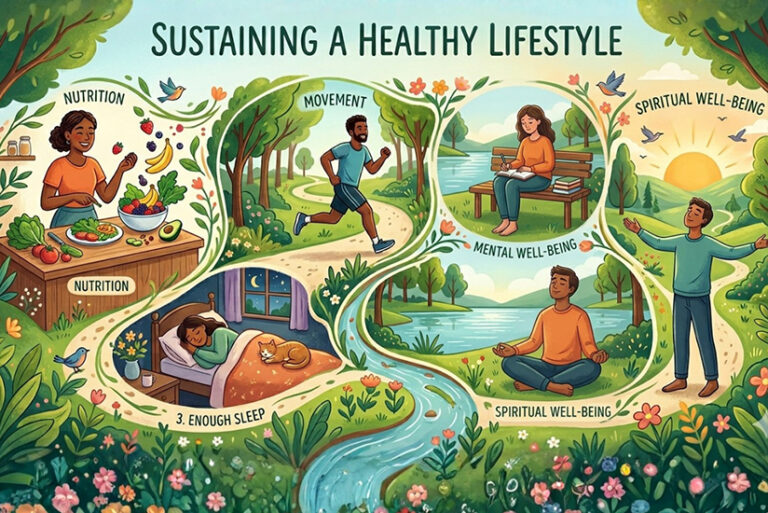
Fasting works best when combined with:
–6–8 hours of sleep
–Regular sleep schedule
Poor sleep can increase hunger hormones.
7. Expect Some Discomfort—But Know the Limits
Normal:
— Mild hunger
— Slight fatigue
Warning signs:
— Severe dizziness
— Fainting
— Confusion
If these occur—stop and seek advice.
8. Filipino Plate Hack
When breaking your fast:
— Half plate: vegetables
— Quarter: protein (fish, chicken)
— Quarter: rice or whole grains
Balance matters more than restriction.
9. Add Meaning to the Practice
Fasting becomes sustainable when it is not just physical.
— Pair with prayer or reflection
— Use fasting time for quiet thinking
10. Track Progress—Not Perfection
— Monitor waistline
— Observe energy levels
— Note sleep and mood
Success is consistency—not perfection.
Golden Rule
“Fasting is not about eating less—it’s about living more intentionally.”
Final Reflection
Fasting, when done correctly, is not deprivation.
It is discipline.
It is awareness.
It is alignment.
And like all powerful practices, its value lies not in how intensely we do it—but in how wisely.