


Simple rituals that reset the body, calm the mind, and restore perspective
By Reuben Ricallo
In today’s hyperconnected world, the workday rarely ends when we leave the office. Emails follow us home. Notifications compete with dinner conversations. Even while resting, the mind keeps replaying unfinished tasks.
The result? Chronic stress that quietly raises blood pressure, disrupts sleep, and drains emotional resilience.
Unwinding is not laziness. It is neurological recovery.
Here are practical, science-backed ways to reset after a demanding day:
1. Create a “Transition Ritual”
The brain needs a signal that work is over. This can be as simple as changing clothes immediately after arriving home, taking a warm shower, or stepping outside for five minutes of quiet breathing. A consistent ritual trains the nervous system to shift from “fight-or-flight” mode to “rest-and-digest.”
2. Move Gently
You don’t need an intense workout. A 15–20 minute walk, light stretching, or yoga reduces stress hormones like cortisol and releases mood-lifting endorphins. Physical movement helps metabolize accumulated tension.
3. Digital Sunset
Set a cutoff time for emails and social media. Blue light and constant notifications prolong mental stimulation. Even a one-hour screen break before bed improves sleep quality and emotional regulation.
4. Practice Slow Breathing
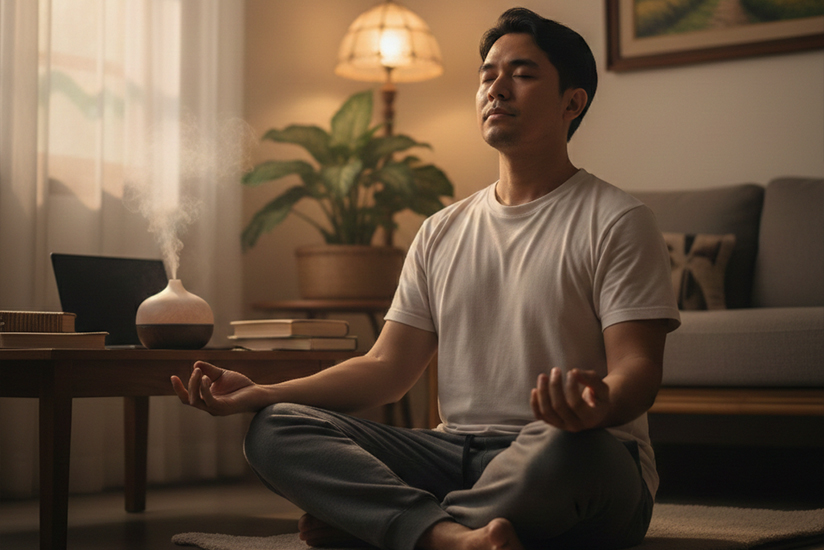
Try this simple method: inhale for 4 seconds, hold for 7, exhale for 8. Longer exhales activate the vagus nerve, which slows heart rate and calms the body.
5. Connect — Don’t Collapse
Instead of zoning out alone, engage in meaningful connection. A short conversation with a spouse, child, or friend can lower stress levels more effectively than passive scrolling.
6. Reflect, Then Release
Write down tomorrow’s top three tasks. This prevents rumination. The brain relaxes when it knows there is a plan.
Stress is inevitable. Burnout is not.