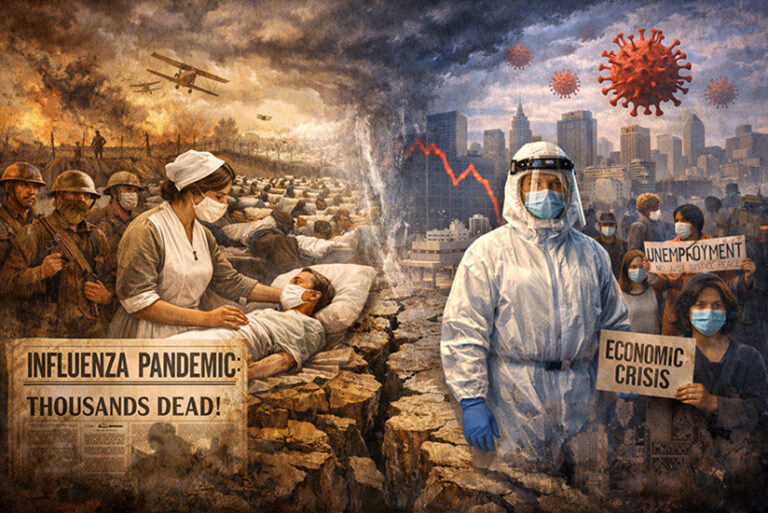



henever a new infectious disease makes headlines, fear often spreads faster than the virus itself. As physicians, we have lived through this before — SARS, H1N1, Ebola, COVID-19. We have learned that the most powerful antidote to fear is accurate information.
Nipah virus is a serious infection. It can cause severe neurologic disease and respiratory failure. Its fatality rate in documented outbreaks has been high. These facts demand respect. But respect is not the same as panic.
At present, there is no active outbreak in the Philippines. The virus has appeared in localized outbreaks in parts of South Asia, and global health authorities continue surveillance because of its potential severity. That is preparedness — not alarmism.
In medicine, we differentiate between risk presence and risk probability. The ecological conditions for zoonotic diseases exist across many countries, including ours. Fruit bats are part of our natural environment. However, spillover events are uncommon, and outbreaks are typically controlled through rapid detection, isolation, and infection prevention practices.
The real lesson of Nipah is not that danger is imminent. It is that public health systems must remain vigilant. Early recognition matters. Severe fever accompanied by neurologic symptoms — especially after travel to affected regions or relevant exposure — warrants urgent evaluation. Healthcare facilities must maintain strong infection prevention protocols. Laboratories must have clear referral pathways. Communication must be transparent and calm.
Equally important is preventing stigma. Bats are part of ecological balance. Rural communities should not be blamed. Travelers should not be shamed. Disease control succeeds when communities cooperate, not when fear divides.
One of the lasting insights from recent pandemics is that trust determines outcomes. When the public trusts health authorities, people seek care early. They follow guidance. They report symptoms honestly.
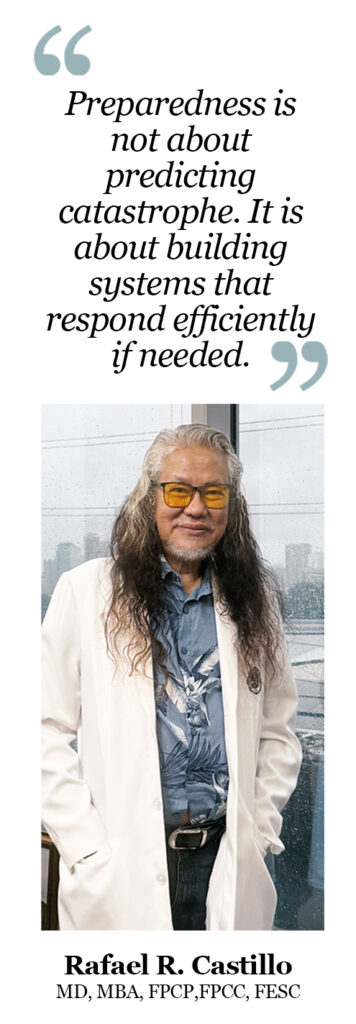
Preparedness is not about predicting catastrophe. It is about building systems that respond efficiently if needed.
The Philippines has strengthened surveillance, border health measures, and emergency response capacity over the past decade. These investments matter — not only for Nipah, but for all emerging infectious threats.
For the individual Filipino, the message is simple:
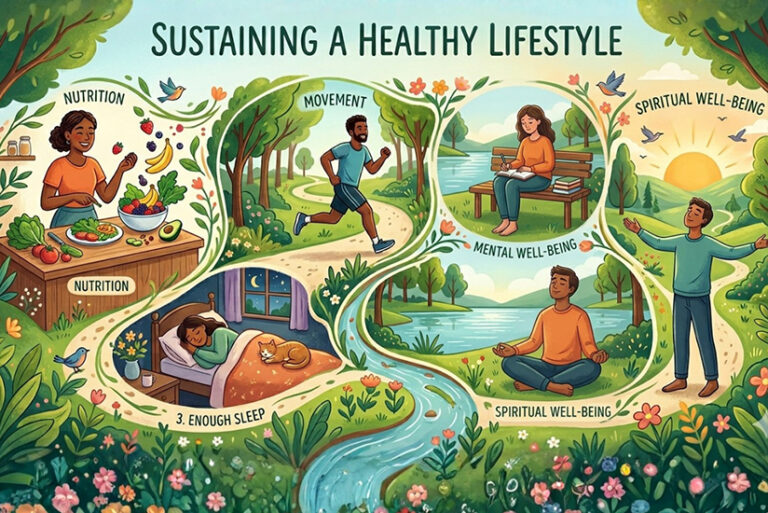
1. Practice good hygiene.
2. Handle food safely.
3. Avoid contact with sick wildlife.
4. Seek medical care for severe or unusual symptoms.
5. Rely on credible health sources, not social media speculation.
Medicine advances not through fear, but through knowledge and cooperation. Nipah virus reminds us that global health is interconnected. It reminds us that vigilance must be constant. But it also reminds us that science, transparency, and preparedness are powerful.
We do not need to be afraid. We need to be informed. And informed communities are resilient communities.