

By Reuben Ricallo
Filipina women often juggle multiple roles—professional, mother, caregiver, daughter, community leader. In the process, many put their own health last.
Yet the most common health problems affecting Filipino women—heart disease, diabetes, breast cancer, cervical cancer, osteoporosis, and stress-related conditions—are largely preventable or manageable when detected early.
The good news: small daily habits can make a big difference.
Here are practical life hacks every Filipina can adopt to protect long-term health.
1. Protect Your Heart Early

Heart disease is now the leading cause of death among Filipino women, often striking years after risk factors silently accumulate.
Simple habits can dramatically reduce risk:
• Walk at least 30 minutes most days of the week
• Limit salty processed foods
• Maintain a healthy waistline
• Monitor blood pressure yearly after age 30
Remember: heart disease in women often presents with subtle symptoms such as fatigue, nausea, or shortness of breath rather than classic chest pain.
2. Eat Colorful, Not Just ‘Comfort’ Food

Filipino cuisine is rich and delicious—but often high in salt, sugar, and saturated fats.
A helpful rule: add color to every plate.
Aim for vegetables and fruits like:
• malunggay
• kangkong
• squash
• tomatoes
• papaya
• berries
These contain antioxidants that help reduce inflammation and protect against chronic diseases.
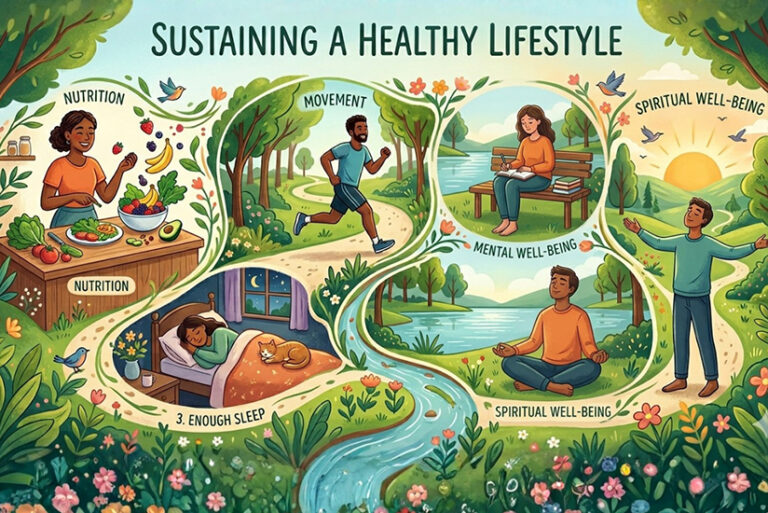
3. Make Stress Recovery a Daily Ritual

Filipina women are known for resilience—but chronic stress can silently affect health, contributing to hypertension, hormonal imbalance, and sleep problems.
Build small daily reset rituals:
• 10 minutes of quiet breathing or prayer
• short walks outdoors
• journaling or gratitude reflection
• digital detox before bedtime
Even brief moments of mental recovery can improve emotional resilience.
4. Strengthen Your Bones Early

Women lose bone density faster after menopause, increasing the risk of osteoporosis.
Protect bone health now:
• include calcium-rich foods like milk, yogurt, and leafy greens
• get 15–20 minutes of sunlight for vitamin D
• do weight-bearing exercises such as walking or resistance training
Bone protection should start before menopause, not after.
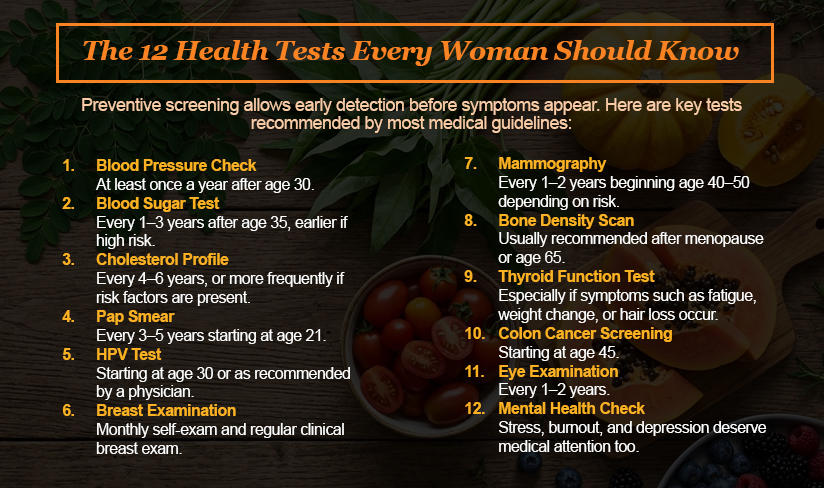
5. Schedule Preventive Checkups
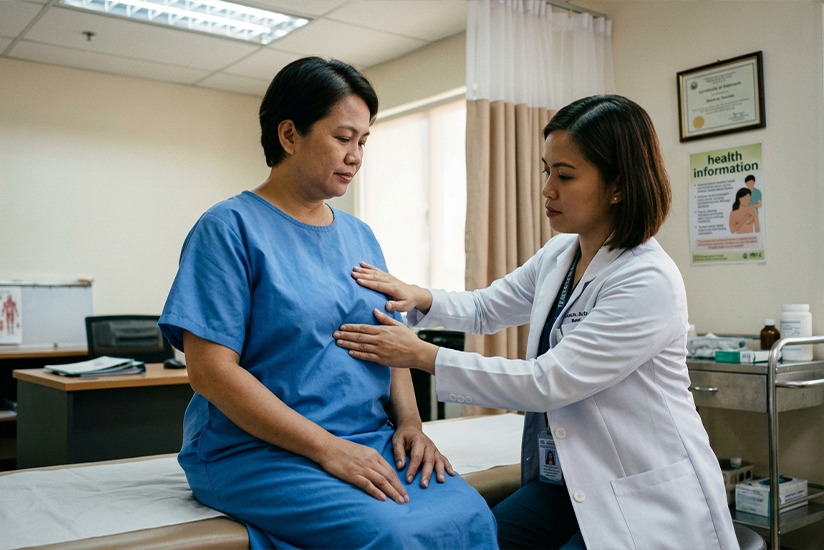
Many diseases affecting women can be detected early through routine screening.
Recommended tests include:
• Breast self-exam monthly after age 20
• Clinical breast exam every 1–3 years
• Pap smear every 3–5 years starting age 21
• Blood sugar and cholesterol screening after age 35
Early detection dramatically improves outcomes.
6. Prioritize Sleep Like Medicine

Sleep deprivation affects hormones, metabolism, immunity, and mental health.
Aim for 7–8 hours of sleep per night.
Helpful habits:
• avoid caffeine late in the day
• reduce screen time before bedtime
• maintain a consistent sleep schedule
Sleep is not a luxury—it’s biological repair.
7. Stay Socially Connected
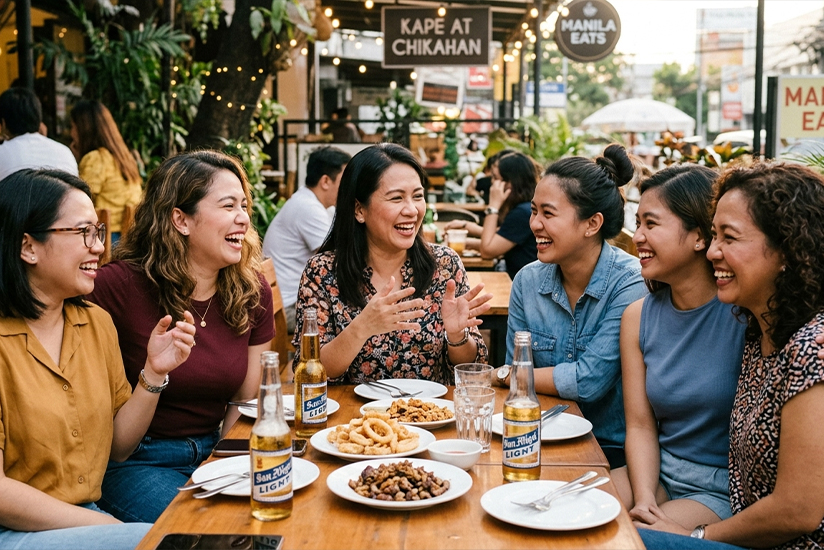
Studies show women who maintain strong social relationships experience:
• lower stress levels
• reduced risk of depression
• longer life expectancy
Spend time with friends, family, or community groups. Emotional support is a powerful health resource.
Final Takeaway
Women often serve as the health guardians of their families—but they must also care for themselves.
Health is not built through dramatic changes, but through small, consistent habits practiced daily.
A healthier Filipina means a healthier family, a stronger community, and ultimately a healthier nation.
Life Hack: Schedule screenings during your birthday month each year to make preventive care easier to remember.