
In the clinic, I have noticed something remarkable about Filipino women. They are often the strongest people in the room.
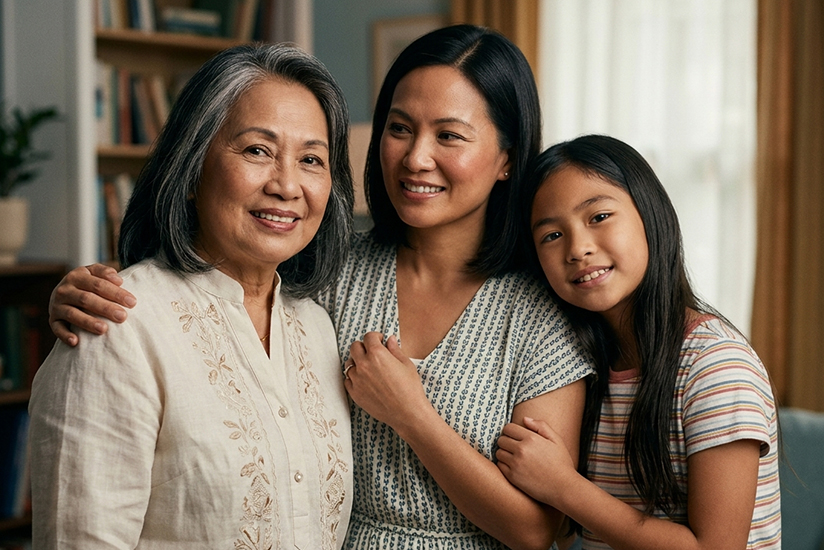
They are the mothers who wake up before sunrise to prepare meals for the family. They are the daughters who quietly shoulder the responsibility of caring for aging parents. They are the professionals who balance careers, households, and community responsibilities with astonishing resilience.
Yet paradoxically, many of the women I meet take care of everyone—except themselves.
More than once I have encountered a patient who ignored chest pain for days because she “didn’t want to worry the family.” Others postponed medical consultations because they felt household needs were more urgent than their own health.
This pattern is not unique to the Philippines. Around the world, women often prioritize the well-being of others above their own. But the consequences can be serious.
When women delay checkups or ignore warning signs, diseases such as heart disease, cancer, and diabetes may progress silently.
The irony is profound: the very individuals who serve as the health anchors of the family often neglect the one person who holds everything together—themselves.
Women’s Month is therefore more than a celebration of empowerment. It is also a reminder of an essential truth: self-care is not selfish.
Preventive care is one of the most powerful forms of self-respect.
A blood pressure check may take only five minutes but could prevent a stroke. A mammogram may detect a cancer years before it becomes life-threatening. A routine blood test may reveal diabetes before complications develop.
These simple interventions represent some of the greatest triumphs of modern medicine.
Yet access to care alone is not enough. Awareness and cultural attitudes must evolve as well.
Women should feel empowered to say: “My health matters too.”
Because when women stay healthy, families remain stable. Communities become stronger. Children grow up with healthier role models.
In medicine, we often say that prevention is better than cure. In public health, we might add another truth: women’s health is society’s health.
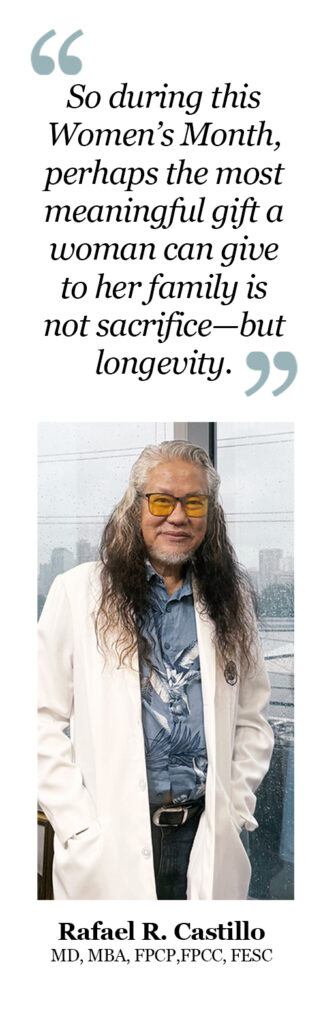
So during this Women’s Month, perhaps the most meaningful gift a woman can give to her family is not sacrifice—but longevity.
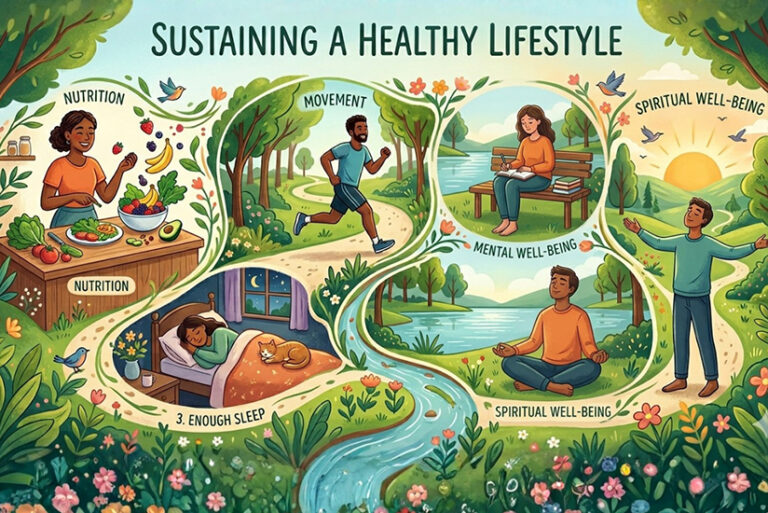
Take the checkup. Schedule the screening. Go for that walk. Eat a little healthier.
Your family needs you—not only today, but for many healthy years to come.