
Among all medical emergencies, stroke remains one of the most unforgiving.
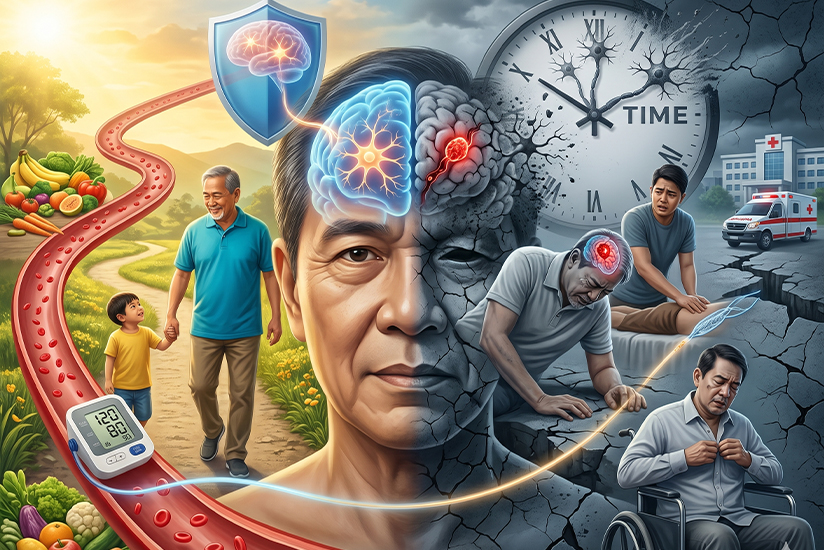
A heart attack threatens the heart. A stroke threatens the brain—the organ that holds memory, language, personality, movement, judgment, and independence itself. And unlike many illnesses that evolve gradually, stroke can change a life within minutes.
That is what makes delayed recognition so tragic.
In the Philippines, we continue to see patients arriving at hospitals hours after symptoms begin. Some wait for weakness to disappear. Others attribute symptoms to fatigue, stress, “high blood,” or simple dizziness. Some seek massage or home remedies first. Unfortunately, while these delays occur, brain cells continue dying silently.
This is why stroke education is so important.
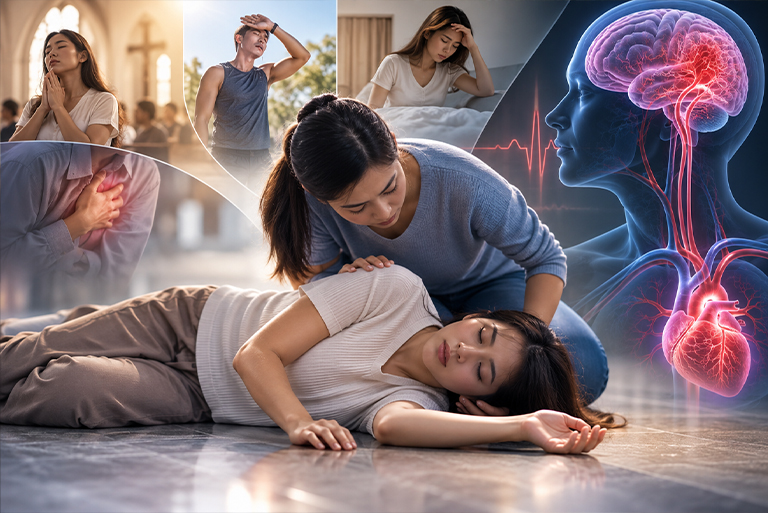
The public must understand that stroke symptoms are not merely inconveniences. Sudden facial drooping, slurred speech, arm weakness, imbalance, or confusion are warning signs of a neurological emergency. They are the brain’s distress signals.
Equally important is prevention.
Most strokes do not emerge out of nowhere. They are often the consequence of years of uncontrolled hypertension, diabetes, smoking, poor diet, inactivity, and neglected vascular health. In many cases, the stroke that appears “sudden” was actually developing quietly for years inside damaged blood vessels.
The encouraging reality is that many strokes are preventable.
Blood pressure control alone remains one of the most powerful tools in modern medicine. Combined with healthier nutrition, regular physical activity, smoking cessation, and routine medical follow-up, it can dramatically reduce stroke risk.
As physicians, we now possess remarkable treatments for acute stroke—including clot-busting therapies and advanced interventions that were unimaginable decades ago. But these treatments depend heavily on time.
And that brings us back to the most important lesson: In stroke care, hesitation can become disability.
The faster recognition happens, the greater the chance of preserving not only life—but speech, mobility, dignity, and independence.
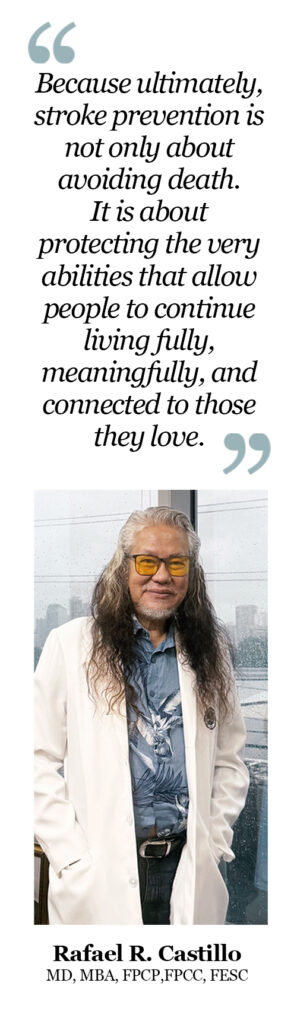
Because ultimately, stroke prevention is not only about avoiding death.
It is about protecting the very abilities that allow people to continue living fully, meaningfully, and connected to those they love.









Leave a Reply