

Words and Photos by Henrylito D. Tacio
“I believe there is iron under me. My bones feel rusty and chilly,” said German miner Frank Hibbing in January 1893.
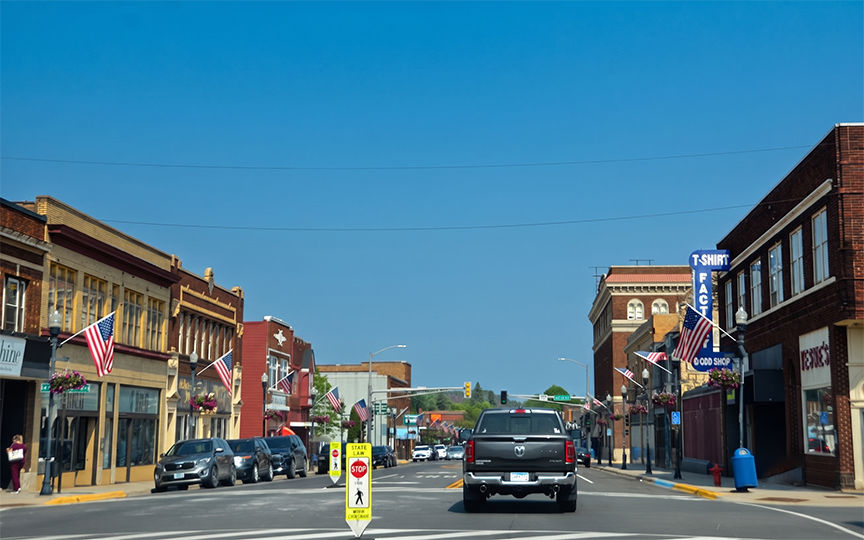
The city of Hibbing in Minnesota is named after him. Hibbing might not be well-known to many Filipinos, yet it should evoke some recognition. The explanation lies in the fact that the ammunition utilized by the joint American and Filipino troops during World War II may have originated from this city.
The iron and steel used in the production of bullets (usually as core components or copper-plated casings) were extracted from the Mesabi Iron Range, which is the primary source of iron ore in the United States, located in a mining district and mountain range in the northeastern part of Minnesota.
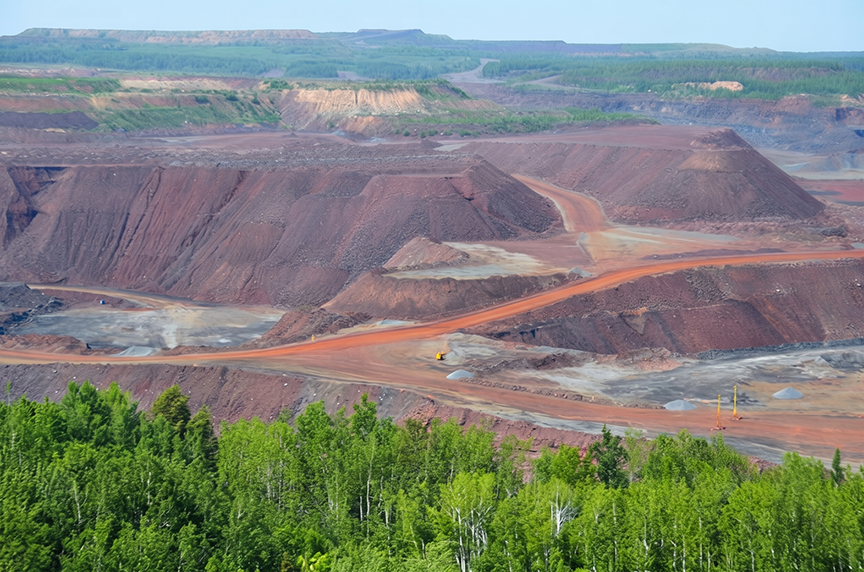
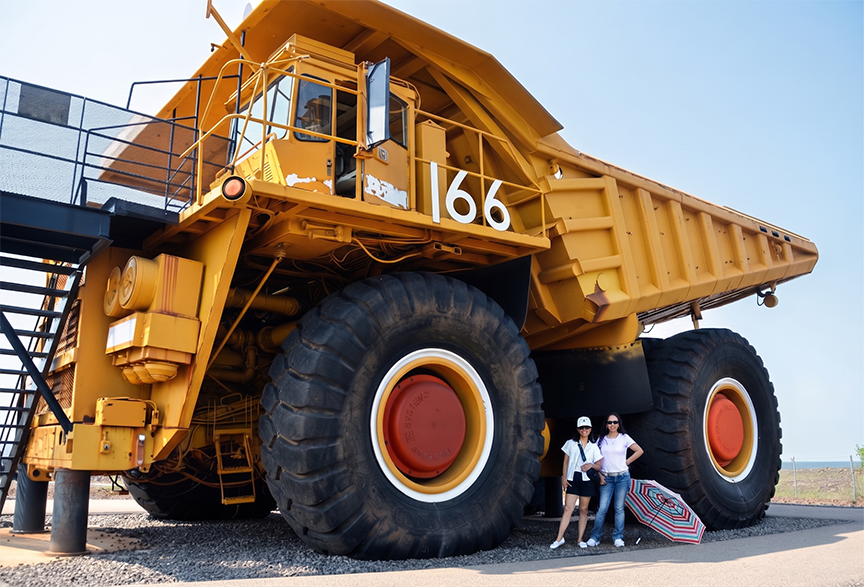
Hibbing is part of the Mesabi Iron Range. It is home to the Hull–Rust–Mahoning Open Pit Iron Mine, the largest active open-pit iron mine in the state. Founded in 1895, it was among the earliest mechanized open-pit mines globally. During its peak production period from World War I to World War II, the mine is said to have provided approximately one-fourth of all iron ore extracted in the United States.
Curiously enough, the village of Hibbing grew up near the mine pit. In fact, it was too near that in 1918, all buildings in the northern section of city had to be moved. The move took two years and cost $16 million to complete.
But there’s an interesting story on how the city was physically moved. The notes from Minnesota Historical Society said: “A total of 188 buildings ranging in size from small family homes to the large Colonial Hotel were moved by Hibbing’s residents using horses, farm tractors, and a steam crawler provided by the mining company.
“To move all of the buildings, they gradually placed logs underneath the structures and secured them with steel cables. They then rolled the buildings to their new location on specially constructed wooden rails. If the building was too large, they cut it into two or three pieces and moved each separately. If it was too tall, they removed the chimney or had a worker stand on the roof with a long stick to lift up electrical lines as it passed underneath.”
Today, after more than 120 years, the landscape of the open mine has inspired folks to coin the phrase, “Grand Canyon of the North” to describe the sight. The open pit covers more than two thousand hectares; the maximum length is more than 12 kilometers while the maximum width is almost 7 kilometers.
Hibbing is also recognized as the birthplace of the bus industry in the United States. It sprang from the business acumen of Carl Wickman and Andrew Anderson – who opened the first bus line (with one bus) between the towns of Hibbing and Alice in 1914. They figured the region’s iron miners would make good mass transit customers. They did, the bus line grew to become Greyhound (the fastest breed of dog used in dog racing).
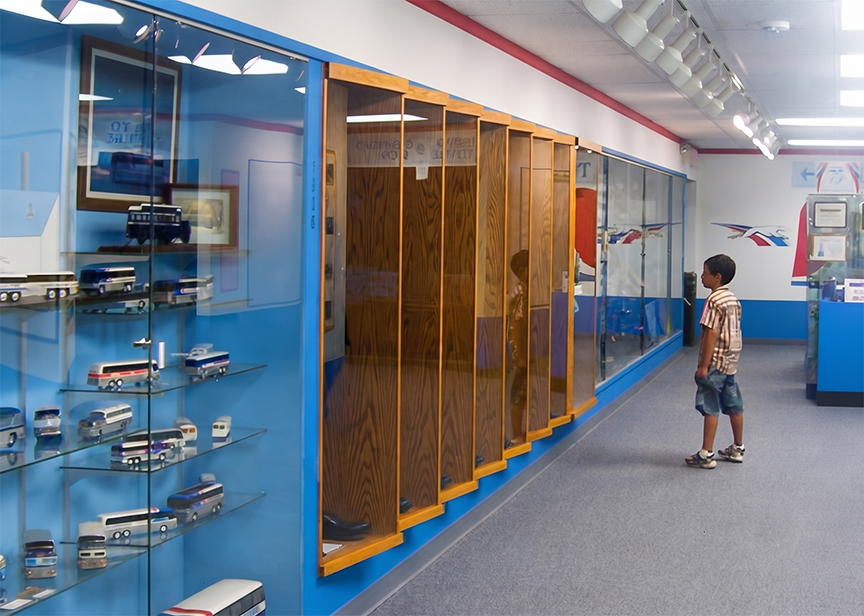
Although Greyhound Bus is now headquartered in Dallas, Texas, the Greyhound Bus Museum is located in Hibbing. The museum houses seventeen historical buses. To start the tour, you pass through a tunnel that comes alive with auto sounds of 1914.
Inside the museum, you get to know the history of the bus industry from its humble beginnings using pictorial displays, and hundreds of artifacts and memorabilia. There’s also a diorama of World War II which illustrates how Greyhound contributed to the war effort.
The museum is the brainchild of Gene Nicolelli, who has never been a Greyhound employee and who frankly admitted, “I have no interest in buses at all.” But he was intrigued by the “fortitude, foresight, and guts” of Wickman and Anderson. “It just fascinated the living daylights out of me,” he said.
If you want to know more about Hibbing and its history, don’t miss to visit the Hibbing Historical Museum. Among those you will get a glimpse: Logging and mining tools, accompanied by pictorial displays, show how tools were used in logging and mining.
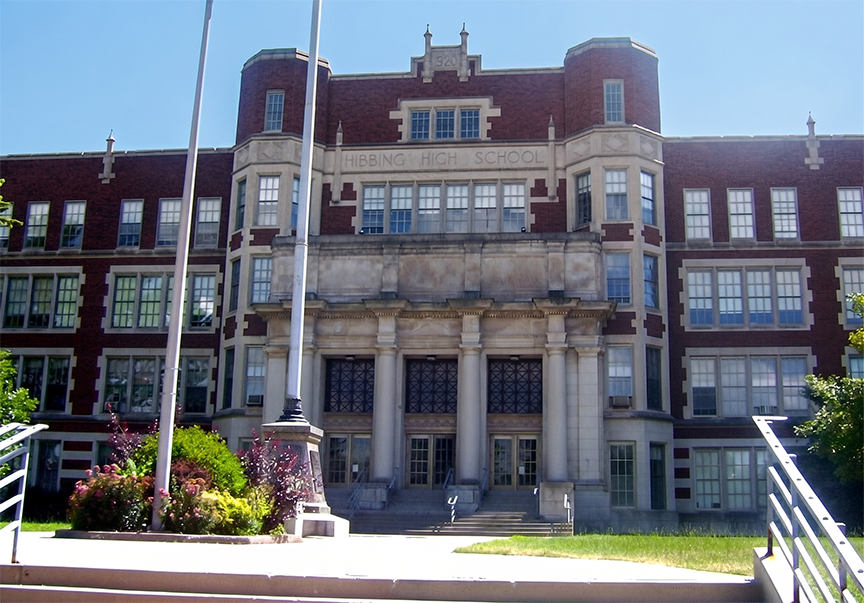
My sister Elena (who toured me around the city and is now living in nearby Grand Rapids) and her family used to live near Hibbing High School, another must-see. Construction of this historic school was started in 1920. The building is made up of red brick trimmed with Bedford stone and is arranged in the shape of the letter E. It was built to replace the old high school, which had to be torn down because of the encroaching mining operations.
Since the mining companies were responsible for the move, they provided about 95% of the cost. The lavish Tudor Revival building has become known as the “castle in the woods” and – thanks to its polished brass fixtures – the “school with the golden door knobs.”
The school has an impressive auditorium that was designed after the old Capitol Theater, which was located in New York City. It seats 1800, has a full Broadway stage, and chandeliers of cut glass imported from the former Czechoslovakia. The elaborate pipe organ, an old Barton vaudeville organ, is one of two left in the country and was purchased and installed in 1923.
Historically, Hibbing High School is the first high school in the US to boast an indoor swimming pool and originally included a fully staffed medical clinic and greenhouse. In fact, the school is listed on the US National Register of Historic Places “for its state-level significance in the themes of architecture, education, industry, and politics/government.”
Another claim to fame of Hibbing is its famous former resident, Bob Dylan, the Nobel prize singer. Although Robert Zimmerman (that is his original name before he changed it to Bob Dylan after poet Dylan Thomas) was born in Duluth (the third largest city in Minnesota, after Minneapolis and Saint Paul), he spent the formative years of his childhood in the city.
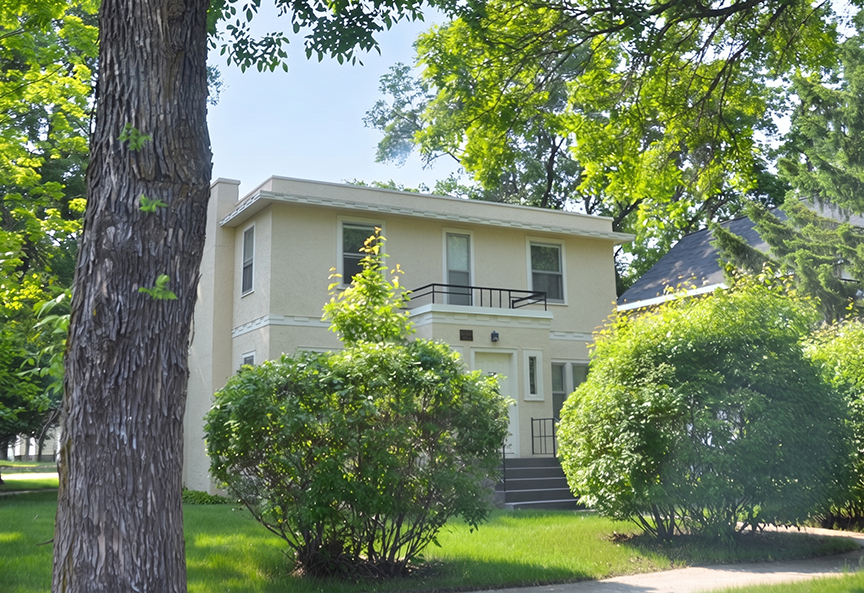
If you have the opportunity of visiting the city, you still get to see the residence where the singer grew up. It is located at 2425 7th Avenue. The house, where he lived from 1948 until 1959, is well preserved in the 50s vibe with a lot of the original décor.
As a matter of fact, many people come to the city just to see the house. In May 1991, the city’s library started the Bob Dylan Collection. “No one finds themselves in Hibbing by accident,” says one visitor. “You have to aim for the town where Bob Dylan grew up to end up here.”
Bob Dylan is just one of the city’s claims to fame. Other well-known personalities from Hibbing include Bruce Carlson, US Air Force Commander; Dick Garmaker and Kevin McHale, both professional basketball players; Marie Myung-Ok Lee, a novelist and essayist; Bethany McLean, the co-author of Enron: The Smartest Guys in the Room; and Rudy Perpich, who became governor of Minnesota.
I have been to this city at least three times already. Every time I would leave the city, I could hear Bob Dylan singing: “I could stay with you forever and never realize the time.”– ###










Leave a Reply