

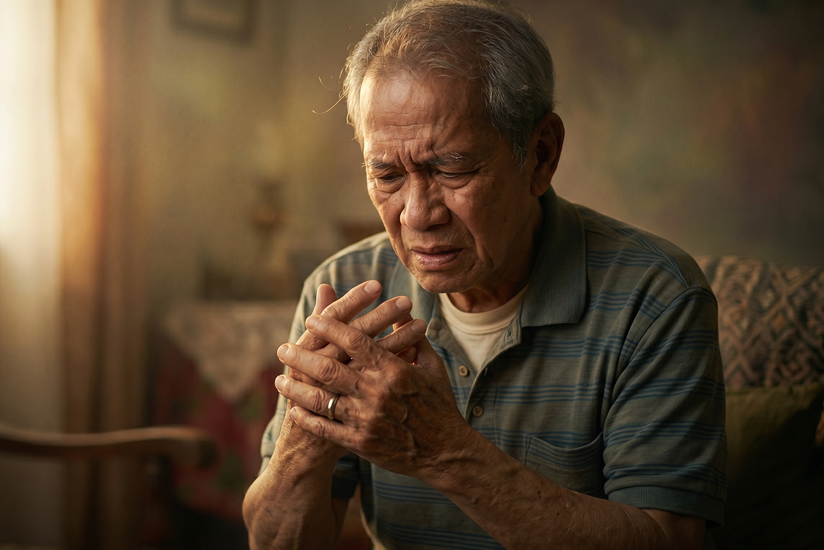

Arthritis rarely arrives dramatically.
It usually begins quietly—a stiff knee in the morning, aching fingers while buttoning a shirt, discomfort climbing stairs, soreness after a long day’s work. Many Filipinos dismiss these symptoms as “normal aging” or “simpleng rayuma.”
But over time, pain changes behavior.
People walk less. Move less. Socialize less. Exercise less. Eventually, their world becomes smaller—not only physically, but emotionally.
This is the deeper burden of arthritis.
It is not merely a disease of joints. It is often a disease of lost confidence, lost independence, and gradual withdrawal from activities that once gave life meaning. Yet there is also hope in understanding this condition properly.
Modern medicine now recognizes that many forms of arthritis can be treated more effectively when diagnosed early. Weight management, physical activity, rehabilitation, proper medication, and lifestyle changes can significantly improve symptoms and slow progression.
One of the most important lessons patients need to hear is this: Movement is not the enemy.
Many people stop moving because joints hurt. Ironically, prolonged inactivity often worsens stiffness, weakens muscles, and accelerates disability. Safe, guided movement remains one of the most powerful therapies we have.
Equally important is compassion. People living with arthritis are often silently enduring chronic pain while continuing to work, care for families, and fulfill responsibilities. We must never underestimate the emotional and psychological weight of persistent pain.
As physicians, our role extends beyond prescribing pain relievers. We must help patients preserve mobility, dignity, and hope.
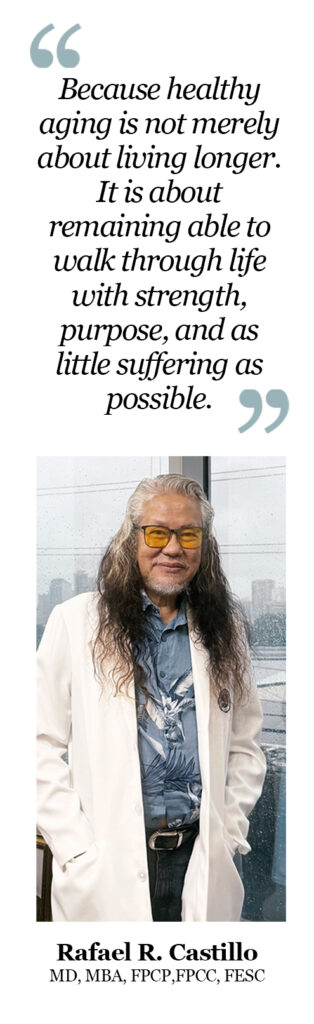
Because healthy aging is not merely about living longer.
It is about remaining able to walk through life with strength, purpose, and as little suffering as possible.










Leave a Reply