

Why Tuberculosis Still Haunts the Philippines
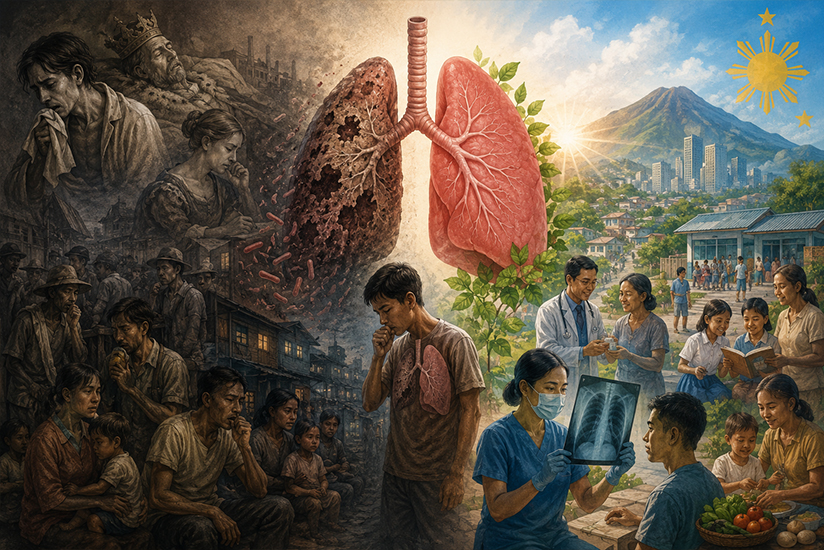
If tuberculosis is preventable and curable, why does it continue to threaten millions of Filipinos while many developed nations have brought it under control?
By Rebecca Lorenzo-Castillo, MD and Rafael R. Castillo, MD
Tuberculosis has accompanied humanity for thousands of years. Long before the discovery of antibiotics, it claimed the lives of kings, artists, laborers, and children alike. Today, it should no longer be among our greatest health threats. Modern medicine can diagnose it rapidly, treat it effectively, and cure most patients completely. Yet the Philippines remains one of the countries with the highest tuberculosis burden in the world.
Why does this ancient disease continue to flourish in the twenty-first century? The answer extends far beyond bacteria. It lies in poverty, overcrowding, nutrition, healthcare access, education, and the collective choices society makes. Understanding tuberculosis is no longer simply about treating infection—it is about building a healthier and more equitable nation.
PART I
Patients in Our Midst
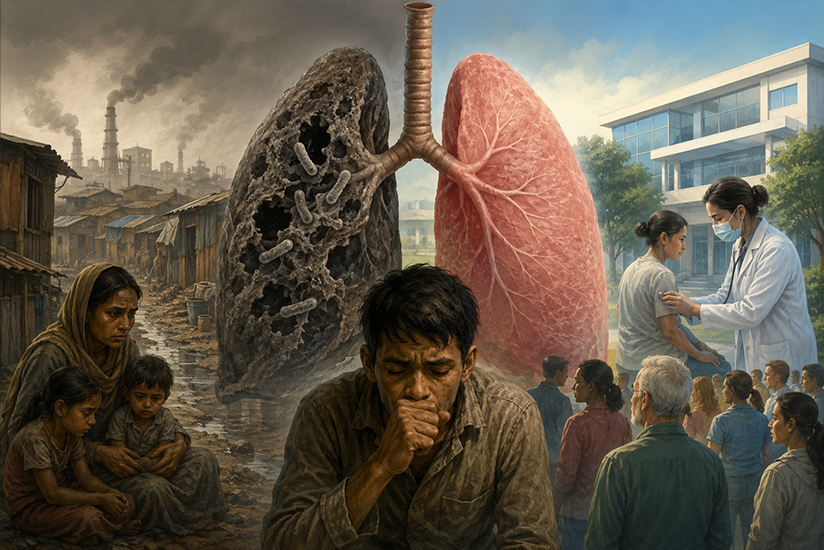
The first passengers climb aboard before sunrise.
In Manila, Cebu, Davao, Baguio, Cagayan de Oro, and countless other cities and towns, jeepneys, buses, tricycles, and trains begin carrying millions of Filipinos to work, school, and markets. The day starts as it always has—with conversations, laughter, hurried breakfasts, and the quiet determination of people earning a living.
Among them is Roberto. He is forty-three years old, a father of three, and the sole provider for his family. For nearly two months, he has been coughing.
At first, he dismissed it as a lingering cold. Then he blamed cigarette smoking. When he began losing weight, his wife pleaded with him to visit the health center.
“After payday,” he replied. Missing work meant missing income.
Every day he delayed seeking care, he continued driving his jeepney through crowded streets, unknowingly exposing dozens of passengers to airborne bacteria.
By the time he finally visited a clinic, tuberculosis had already damaged his lungs. His youngest daughter had also begun to cough.
Roberto is fictional. His story is not.
Every year, thousands of Filipino families experience similar journeys—journeys marked by delayed diagnosis, financial hardship, fear, stigma, and, too often, preventable complications.
An Old Paradox
Tuberculosis is one of humanity’s oldest diseases. It is also one of modern medicine’s greatest paradoxes. We discovered the organism that causes tuberculosis nearly a century and a half ago. We have had effective antibiotics for decades. We know how to diagnose the disease, interrupt transmission, and cure most patients. Yet tuberculosis remains one of the world’s leading infectious killers.
For the Philippines, it continues to be one of the country’s most persistent public health challenges. The tragedy is no longer that tuberculosis cannot be cured. The tragedy is that too many people are diagnosed too late—or never receive the full benefits of treatment that science already makes possible.
A Disease We Should Have Defeated
Few diseases illustrate the triumphs and frustrations of modern medicine as vividly as tuberculosis.
The culprit is a slow-growing bacterium called Mycobacterium tuberculosis. Unlike many respiratory infections that produce symptoms within days, tuberculosis often develops quietly. A person may carry the bacteria for months—or even years—before developing active disease.
This silent progression partly explains why tuberculosis continues to spread.
People frequently dismiss a persistent cough as allergies, smoking, pollution, or “just the weather.” Others delay consultation because they cannot afford to miss work or fear losing their income. Some avoid seeking care because they worry about stigma or discrimination.
By the time many patients are diagnosed, they have already transmitted the infection to family members, coworkers, classmates, or fellow commuters.
Tuberculosis is therefore not merely an infectious disease. It is also a disease of delayed opportunity. Every delayed diagnosis represents a missed chance to interrupt transmission and prevent suffering.
The Global Picture
Tuberculosis has never disappeared.
Despite remarkable advances in medicine, it remains one of the world’s most important infectious diseases. According to the latest estimates from the World Health Organization (WHO), millions of people develop active tuberculosis every year, and more than a million die from the disease annually. TB continues to impose its heaviest burden on low- and middle-income countries, where poverty, overcrowding, undernutrition, and limited access to healthcare create ideal conditions for transmission.
Unlike many infectious diseases that capture headlines during outbreaks, tuberculosis spreads quietly and persistently. It rarely provokes public panic, yet year after year it claims more lives than many diseases that receive far greater attention.
Its persistence serves as a sobering reminder that scientific advances alone cannot eliminate disease. Effective medicines achieve their full potential only when healthcare systems ensure that people are diagnosed promptly, treated completely, and supported throughout their recovery.
Why the Philippines Remains Vulnerable
The Philippines consistently ranks among the countries with the highest burden of tuberculosis worldwide. This is not because Filipinos are biologically more susceptible to infection. Rather, the disease flourishes where social and economic conditions allow it to spread.
Tuberculosis is transmitted through tiny airborne droplets released when a person with active pulmonary TB coughs, sneezes, speaks, or sings. In crowded homes, poorly ventilated workplaces, congested public transportation, correctional facilities, evacuation centers, and densely populated urban communities, these microscopic droplets may remain suspended in the air long enough to infect others.
The bacterium exploits conditions that extend far beyond medicine. Undernutrition weakens the immune system. Poverty delays healthcare seeking.
Limited access to diagnostic services prolongs infectiousness. Interrupted treatment encourages drug resistance. Stigma discourages disclosure and consultation. Each factor reinforces the others, creating a cycle that allows tuberculosis to persist across generations.
For this reason, public health experts often describe tuberculosis not simply as a disease of the lungs, but as a disease of inequity.
More Than a Medical Problem
When physicians diagnose tuberculosis, they prescribe antibiotics. When public health professionals confront tuberculosis, they see a much larger picture.
They see families living in one-room homes with poor ventilation. They see children whose nutrition has been compromised by food insecurity. They see workers who cannot afford to stay home long enough to recover. They see patients who discontinue treatment because transportation costs exceed their daily income. They see communities where access to healthcare remains difficult.
In other words, tuberculosis is not sustained only by a bacterium. It is sustained by circumstances. Until those circumstances improve, medicine alone will struggle to eliminate the disease.
“Tuberculosis is not merely a bacterial disease. It is a disease sustained by poverty, inequality, delayed diagnosis, and unequal access to healthcare.”
PART II
The Invisible Battle
How Tuberculosis Hijacks the Body—and Why Some People Become Sick While Others Never Do
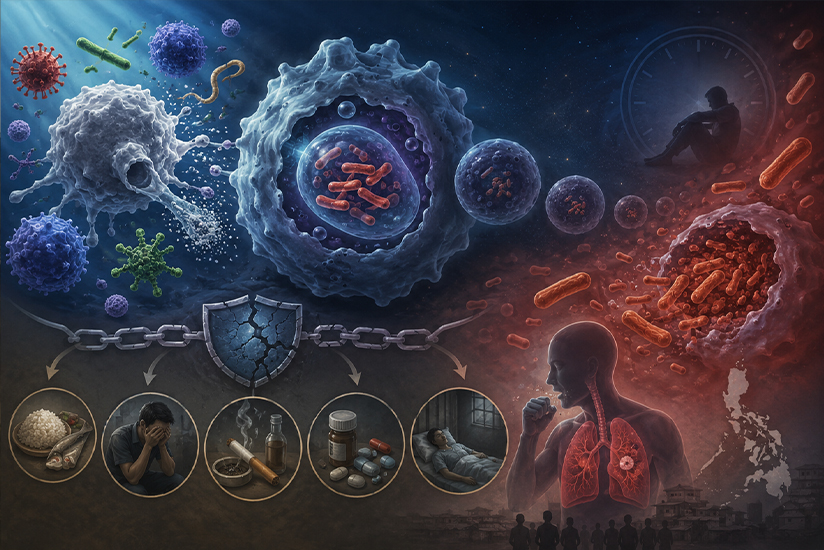
Imagine standing in a crowded jeepney during the evening rush hour. Someone nearby has active pulmonary tuberculosis. When that person coughs, laughs, sings, or even speaks, thousands of microscopic droplets carrying Mycobacterium tuberculosis are released into the surrounding air.
Most are invisible. Some remain suspended for hours, particularly in poorly ventilated spaces. If another person inhales those droplets, the bacteria may quietly enter the lungs. Yet something remarkable happens next.
Exposure does not necessarily mean infection. And even infection does not necessarily mean disease. This distinction is one of the most misunderstood aspects of tuberculosis.
For many people, the immune system successfully contains the invading bacteria before illness develops. The bacteria remain dormant—alive but inactive—inside tiny collections of immune cells called granulomas. This condition is known as latent tuberculosis infection (LTBI).
People with latent TB do not feel sick. They do not cough. They cannot spread the infection to others. In many individuals, the bacteria may remain dormant for decades, never causing illness. It is a remarkable example of the human immune system holding a dangerous enemy in check. But the battle is not always won.
When the Defenses Weaken
The immune system is one of the body’s most sophisticated defense networks. Every day it identifies viruses, bacteria, fungi, parasites, and even abnormal cells before they become threats.
Tuberculosis presents a unique challenge because Mycobacterium tuberculosis has evolved extraordinary survival strategies. Unlike many bacteria that are rapidly destroyed by white blood cells, TB organisms can survive inside the very immune cells designed to eliminate them. They become masters of concealment. Sometimes they remain hidden for years. Sometimes they wait patiently for an opportunity.
When the immune system becomes weakened, those dormant bacteria may awaken. This transformation—from latent infection to active tuberculosis—marks the beginning of disease.
Understanding what weakens immunity is therefore essential to understanding why tuberculosis remains so common in countries like the Philippines.
Nutrition: The First Line of Defense
Long before antibiotics existed, physicians observed that tuberculosis disproportionately affected people living in poverty.
Modern science has confirmed what earlier generations suspected. Nutrition profoundly influences immune function. Protein-energy malnutrition reduces the body’s ability to mount an effective immune response. Deficiencies in micronutrients such as vitamin A, vitamin D, zinc, and iron may further compromise host defenses.
Undernutrition is now recognized not merely as a consequence of tuberculosis but also as one of its strongest risk factors. The relationship is tragically circular. Poor nutrition weakens immunity, increasing the likelihood that latent TB will become active disease. Once active tuberculosis develops, patients frequently lose weight, appetite declines, and nutritional deficiencies worsen.
Illness deepens malnutrition. Malnutrition accelerates illness. Breaking this vicious cycle requires more than antibiotics. It requires restoring nutritional health.
The Diabetes Connection
Among the most important developments in tuberculosis research over the past two decades has been recognition of its close relationship with diabetes mellitus.
The Philippines now faces two simultaneous epidemics. One is tuberculosis. The other is diabetes. When these two diseases intersect, each makes the other more difficult to manage.
People living with diabetes are approximately three times more likely to develop active tuberculosis than those without diabetes. Persistently elevated blood glucose impairs multiple components of the immune response, reducing the body’s ability to contain latent infection.
Conversely, active tuberculosis often worsens blood glucose control, complicating diabetes management. Patients with both conditions are also more likely to experience delayed sputum conversion, treatment failure, relapse, and death.
This growing overlap has prompted international organizations to recommend bidirectional screening—screening patients with tuberculosis for diabetes and screening people with diabetes for tuberculosis when symptoms or risk factors are present.
In countries with high burdens of both diseases, integrated care is no longer optional. It is essential.
Smoking: Fueling the Epidemic
The harmful effects of smoking extend well beyond lung cancer and chronic obstructive pulmonary disease. Tobacco smoke damages the tiny hair-like structures (cilia) lining the airways, impairs immune cell function, and weakens the lungs’ natural defense mechanisms.
Smokers are significantly more likely to become infected with tuberculosis, to develop active disease, and to experience poorer treatment outcomes. Secondhand smoke may also increase susceptibility, particularly among children.
For a country striving to reduce its tuberculosis burden, tobacco control is therefore not only a cancer prevention strategy—it is also a tuberculosis control strategy.
Alcohol and Other Risk Factors
Excessive alcohol consumption similarly weakens immune defenses, contributes to malnutrition, and is associated with poorer adherence to treatment.
Other medical conditions also increase susceptibility, including chronic kidney disease, certain cancers, immunosuppressive medications, organ transplantation, and HIV infection.
Although HIV prevalence remains lower in the Philippines than in many African countries, HIV-associated tuberculosis remains an important clinical concern because TB is one of the leading causes of death among people living with HIV worldwide.
Age also matters. Young children are particularly vulnerable because their immune systems are still developing. Older adults experience immunosenescence—the gradual decline in immune function that accompanies aging—making them more susceptible to reactivation of latent tuberculosis.
Why Poverty Still Matters
When people hear that tuberculosis is linked to poverty, they sometimes assume poverty directly causes the disease. It does not. The bacterium causes tuberculosis. But poverty creates the conditions in which the bacterium spreads most effectively.
Crowded homes increase exposure. Poor ventilation allows infectious droplets to remain airborne longer. Undernutrition weakens immunity. Limited income delays medical consultation. Transportation costs discourage follow-up visits. Missed work threatens household finances.
Each factor alone may seem manageable. Together they become a powerful engine driving continued transmission. This explains why tuberculosis has become much less common in many high-income countries while remaining deeply entrenched in parts of Asia, Africa, and Latin America.
Economic development did not eliminate tuberculosis by itself. But improved housing, nutrition, sanitation, education, and universal access to healthcare dramatically reduced the opportunities for the disease to spread.
The Great Paradox
Tuberculosis is among the most preventable and treatable infectious diseases known to medicine. Yet it remains one of the world’s leading infectious killers. The explanation lies in a paradox.
The greatest obstacles to eliminating tuberculosis are no longer scientific. They are social.
The challenge before us is not discovering how to cure tuberculosis. The challenge is ensuring that every person—regardless of income, geography, or circumstance—can benefit from the knowledge that medicine already possesses.
“Tuberculosis flourishes where immunity is weakened, diagnosis is delayed, and opportunity is unequal. Eliminating the disease requires treating both the infection and the conditions that allow it to spread.”
PART III
Lessons from the World
Why Japan Won—and Why the Philippines Still Struggles
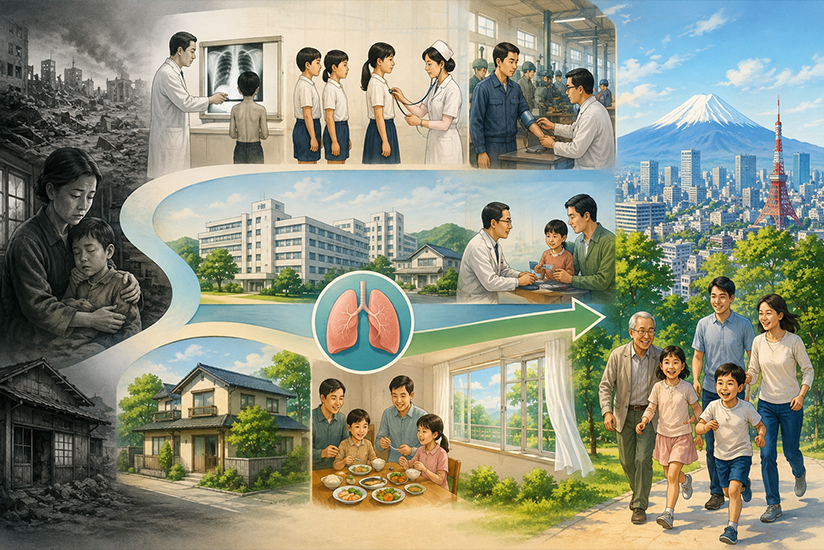
If tuberculosis were simply a disease of climate, geography, or genetics, there would be little reason for hope. Fortunately, it is not.
History tells a different story. Only a few generations ago, tuberculosis was among the leading causes of death in countries that today report some of the lowest TB rates in the world.
Japan battled devastating tuberculosis epidemics throughout the late nineteenth and early twentieth centuries.
The disease spread rapidly through crowded factories, mining communities, military barracks, and densely populated urban neighborhoods. Young adults—the very workforce driving Japan’s industrial growth—were among its most frequent victims.
The situation was so serious that tuberculosis became known as the country’s “national disease.”
South Korea experienced a similar struggle following the Korean War. Singapore faced substantial TB burdens during the years surrounding independence. Across Europe, sanatoria were once filled with patients suffering from “consumption,” the old name for tuberculosis.
In other words, these nations once stood where many developing countries stand today.
The difference is not that they escaped tuberculosis. The difference is that they gradually defeated it. The question is how.
The Power of Public Health
No single discovery eliminated tuberculosis. Rather, progress came through the accumulation of many advances. Improved housing reduced overcrowding. Better nutrition strengthened immunity. Universal education increased public awareness. Access to primary healthcare encouraged earlier diagnosis.
Modern laboratories shortened the time needed to confirm infection. Public health nurses traced household contacts. Communities learned that tuberculosis was curable rather than shameful. Patients completed treatment under structured supervision.
Each intervention may have seemed modest. Together, they transformed the trajectory of the disease.
Tuberculosis did not disappear overnight. It declined steadily because governments, healthcare professionals, and communities remained committed over many decades.
This is perhaps the most important lesson of all. Tuberculosis control is not achieved through a single breakthrough. It is achieved through persistence.
Japan’s Long Journey
Japan’s success illustrates this principle well.
After World War II, tuberculosis remained one of the country’s leading public health challenges. Recognizing its enormous social and economic impact, the Japanese government invested heavily in organized tuberculosis control.
Mass chest radiography programs were introduced. Schoolchildren underwent regular screening. Workplace health examinations became routine. Universal health insurance improved access to diagnosis and treatment. Specialized tuberculosis hospitals and public health centers expanded across the country.
Equally important, Japan invested in broader social reforms. Housing improved. Nutrition improved. Living standards rose. Crowded multigenerational dwellings gradually gave way to healthier environments with better ventilation.
These changes reduced opportunities for transmission while strengthening the population’s overall health. The decline in tuberculosis was therefore not solely the result of antibiotics. It reflected decades of coordinated investments in medicine, public health, education, and economic development.
The Philippine Reality
The Philippines has also made important progress. The National Tuberculosis Control Program has expanded access to diagnosis and treatment. Molecular diagnostic technologies such as GeneXpert have dramatically shortened the time needed to detect tuberculosis and identify drug resistance.
Treatment success rates have improved. Community health workers continue to provide directly observed therapy and patient support throughout the country. Yet significant challenges remain.
Many Filipinos continue to live in densely populated communities where ventilation is poor and close household contact facilitates transmission. Undernutrition remains common in vulnerable populations.
Healthcare facilities in some rural and geographically isolated areas continue to face shortages of personnel, diagnostic equipment, and laboratory capacity. Many patients delay seeking medical attention because of financial concerns, competing family responsibilities, or fear of stigma.
Even when diagnosis is made, completing the full course of treatment may prove difficult because of transportation costs, loss of income, or limited social support.
These challenges are not unique to the Philippines. But together they help explain why tuberculosis continues to circulate despite the availability of effective medicines.
More Than Medicine
One of the greatest misconceptions about tuberculosis is that antibiotics alone will solve the problem. Antibiotics cure individuals. Public health prevents epidemics. The distinction is crucial.
If one patient is cured while ten others remain undiagnosed, transmission continues. If treatment is interrupted, drug resistance may develop. If children continue living in overcrowded homes with inadequate ventilation, new infections occur. If undernutrition persists, immunity remains compromised.
The lesson is clear. Tuberculosis control extends far beyond hospitals and clinics. It reaches into schools, workplaces, housing policies, nutritional programs, transportation systems, and social protection initiatives. Every ministry of government has a role to play.
The Economic Argument
Tuberculosis is often viewed primarily as a healthcare expenditure. In reality, it is an economic investment. A young worker disabled by tuberculosis may lose months of productive employment. Parents may struggle to provide food, education, and housing while receiving treatment.
Businesses lose experienced employees. Healthcare costs increase. Communities become less productive. Conversely, every case prevented preserves not only health but also livelihoods.
Economists increasingly recognize tuberculosis control as one of the highest-value public health investments available to low- and middle-income countries.
The benefits extend far beyond hospitals. They strengthen national development itself.
Reasons for Optimism
Despite the challenges, there is genuine reason for hope. Never before have physicians possessed such powerful tools against tuberculosis. Rapid molecular diagnostics can identify infection within hours rather than weeks. Artificial intelligence is improving chest radiograph interpretation, particularly in high-volume screening programs.
Shorter treatment regimens are improving adherence. New medications are enhancing outcomes for drug-resistant disease. Researchers are developing promising vaccine candidates that could one day transform global prevention.
These advances represent remarkable scientific achievements. Yet they will realize their full potential only if they reach the people who need them most.
PART IV
From Cough to Cure
How Modern Medicine Is Transforming the Fight Against Tuberculosis
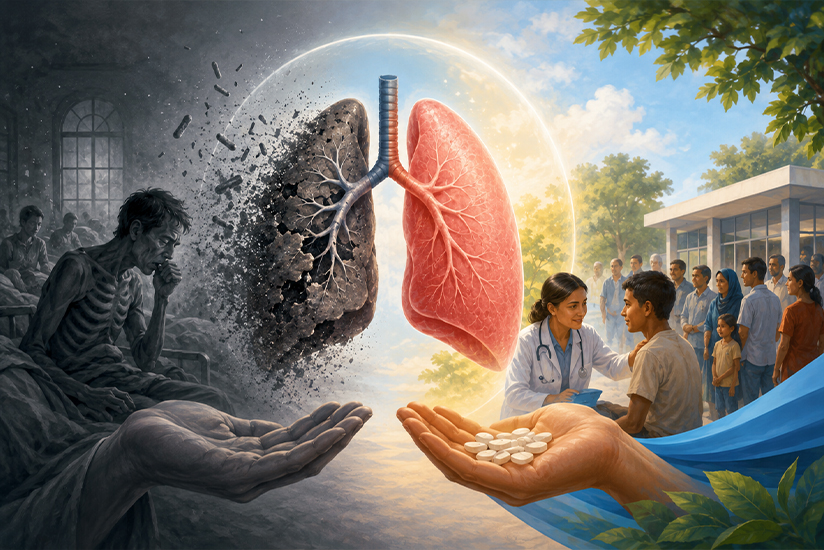
For centuries, a diagnosis of tuberculosis was almost a death sentence. Patients were sent to mountain sanatoria where fresh air, sunlight, nutritious food, and prolonged rest were considered the best available treatments. Some recovered. Many did not.
Families watched helplessly as loved ones lost weight, coughed relentlessly, and gradually succumbed to an illness physicians scarcely understood.
Everything changed in the middle of the twentieth century. The discovery of effective anti-tuberculosis medicines transformed one of humanity’s deadliest infectious diseases into one that is, in most cases, curable.
Today, tuberculosis remains a formidable public health challenge—but no longer because medicine lacks effective tools. Rather, the challenge lies in ensuring that every patient benefits from those tools promptly, completely, and equitably.
The First Step Is Suspicion
One of the greatest obstacles to tuberculosis control is not the absence of sophisticated technology. It is delayed recognition. Many patients wait weeks—or even months—before seeking medical care.
Some attribute their symptoms to smoking. Others believe they simply have a lingering cold, allergies, or “ordinary cough.” Still others continue working because missing a day’s income is simply not an option.
The result is delayed diagnosis. Every week of delay increases the risk of lung damage. Every week also increases the opportunity to spread infection to others.
Fortunately, the warning signs are well recognized.
Persistent cough lasting two weeks or longer remains the classic symptom, particularly when accompanied by:
- unexplained weight loss
- fever
- night sweats
- fatigue
- chest discomfort
- coughing up blood
Not every prolonged cough is tuberculosis.
But every persistent cough deserves evaluation.
A Revolution in Diagnosis
Only a generation ago, diagnosing tuberculosis often required patience. Microscopic examination of sputum remained the cornerstone of diagnosis.
Although useful, smear microscopy misses many cases, especially among children, people living with HIV, and those with low numbers of bacteria.
Culture—the traditional gold standard—provided greater accuracy but often required several weeks before results became available.
For patients, those weeks could mean continued illness and ongoing transmission.
Today, the diagnostic landscape has changed dramatically.
One of the greatest breakthroughs has been rapid molecular testing, particularly the GeneXpert MTB/RIF assay and newer generations of nucleic acid amplification tests.
Instead of waiting weeks, clinicians can often confirm tuberculosis within hours while simultaneously identifying resistance to rifampicin, one of the most important first-line anti-TB drugs.
For physicians, this represents a fundamental shift. Rather than treating blindly, clinicians can tailor therapy much earlier. For patients, earlier diagnosis means earlier treatment—and a greater chance of complete recovery.
The Expanding Role of Artificial Intelligence
Perhaps one of the most exciting developments in tuberculosis control is the growing use of artificial intelligence. AI is not replacing physicians. It is becoming an additional set of highly trained eyes.
Modern AI systems can analyze digital chest radiographs within seconds, identifying abnormalities suggestive of tuberculosis and helping prioritize patients who require further evaluation.
This technology is particularly valuable in communities where radiologists are scarce or screening volumes are extremely high. Mobile digital X-ray units equipped with AI are already being deployed in several countries to screen remote communities, prisons, workplaces, and underserved populations.
For the Philippines—with its thousands of islands and geographically isolated communities—such innovations could substantially expand access to early detection. Artificial intelligence will not diagnose tuberculosis independently. But it may help ensure that fewer patients are overlooked.
Treatment Has Become Simpler—But Commitment Remains Essential
One of the most encouraging advances in recent years has been the simplification of treatment. For drug-susceptible pulmonary tuberculosis, modern short-course multidrug regimens achieve cure rates exceeding 85–90% when taken correctly and completed in full.
Treatment still requires several months. The reason lies in the biology of the bacterium itself. Unlike many common bacteria, Mycobacterium tuberculosis grows extremely slowly and can persist in different metabolic states within the body.
Shortening treatment too much risks leaving surviving organisms behind, allowing disease to recur. For this reason, completing therapy remains one of the most important responsibilities shared by both patients and healthcare providers.
When treatment is interrupted prematurely, the consequences extend beyond the individual patient. Incomplete therapy allows surviving bacteria to develop resistance to medications, creating forms of tuberculosis that are far more difficult and expensive to treat.
The Challenge of Drug-Resistant Tuberculosis
Drug-resistant tuberculosis represents one of the greatest threats to global TB control. When bacteria become resistant to rifampicin, isoniazid, or multiple first-line drugs, treatment becomes longer, more complex, and considerably more costly.
Patients often require combinations of newer medications, closer monitoring, and prolonged follow-up. Fortunately, remarkable progress has also occurred in this field.
Newer all-oral regimens have replaced many of the painful injectable drugs once associated with significant side effects.
Shorter treatment courses for selected patients are improving adherence and quality of life. These advances remind us that scientific innovation continues to move tuberculosis care forward.
Nevertheless, the best strategy against drug-resistant TB remains prevention. Every patient who completes appropriate treatment helps prevent the emergence of resistant strains.
More Than Pills
Successful tuberculosis treatment involves much more than prescribing antibiotics. Patients frequently require nutritional support to regain lost weight and restore immune function.
Many need counseling to overcome stigma and anxiety. Others benefit from assistance with transportation, medication reminders, or community-based treatment support.
Tuberculosis is therefore managed most effectively when healthcare becomes a partnership. Physicians provide medical expertise. Nurses ensure continuity of care. Laboratory personnel deliver accurate diagnosis. Community health workers encourage adherence. Families provide emotional support.
Patients themselves become active participants in their own recovery. This partnership transforms treatment from a prescription into a pathway toward healing.
A Future Filled with Hope
Scientific progress against tuberculosis has accelerated during the past decade. Researchers are developing new antibiotics capable of shortening treatment even further. Several promising vaccines are advancing through clinical trials, raising hopes for improved prevention beyond the century-old BCG vaccine.
Advances in genomics are helping scientists understand why some individuals are more susceptible to disease. Digital technologies are improving treatment monitoring and patient follow-up. Artificial intelligence is expanding access to screening.
Each breakthrough brings us closer to a future where tuberculosis becomes increasingly uncommon. Yet no technology, however sophisticated, can replace one timeless principle.
People must be diagnosed early. They must receive effective treatment. And they must be supported until they are cured.
The Cure We Already Possess
Perhaps the greatest irony of tuberculosis is this: The world is still searching for a perfect vaccine. Yet we already possess something almost as valuable. We know how to cure most patients.
The challenge before us is no longer discovering effective treatment. It is ensuring that every Filipino—whether living in Metro Manila, the mountains of the Cordilleras, the islands of Palawan, or the remotest barangay in Mindanao—can benefit equally from the remarkable advances that modern medicine has already achieved.
When that happens, tuberculosis will no longer define our future. It will become part of our history.
“Modern medicine has transformed tuberculosis from a fatal disease into a curable one. Our greatest challenge is ensuring that every patient receives the benefits of that progress.”
PART V
The Philippines Without Tuberculosis
A Roadmap to Ending an Ancient Disease
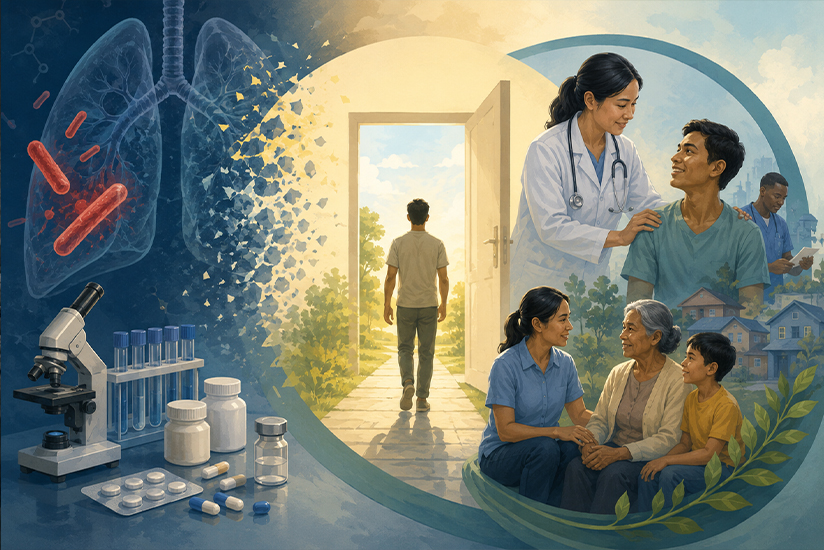
Imagine a child growing up in the Philippines in the year 2040. She has never watched a classmate disappear from school because of tuberculosis. Her grandparents remember when persistent coughing often brought fear to entire families. Her parents tell stories of relatives who spent months receiving treatment.
To her, tuberculosis is something she reads about in history books—not something she expects to encounter in everyday life.
Impossible? Not at all. History has already shown that countries can dramatically reduce tuberculosis. The question is not whether elimination is achievable. The question is whether we have the collective determination to pursue it.
Tuberculosis did not disappear from Japan overnight. Neither did it vanish from Singapore, Australia, or much of Western Europe. Their success resulted from decades of sustained commitment to science, public health, education, nutrition, housing, and equitable access to healthcare.
The Philippines can write the same story. But it must begin now.
The First Priority: Find Every Case
The most dangerous tuberculosis patient is often not the sickest one. It is the one who has not yet been diagnosed. Many individuals continue normal daily activities while unknowingly transmitting infection to family members, co-workers, classmates, and fellow commuters.
Passive case finding—waiting for patients to seek medical attention—is no longer enough. Communities with high TB prevalence require active case finding.
Healthcare teams must go where the disease is most likely to be found:
- urban poor communities
- correctional facilities
- evacuation centers
- indigenous communities
- geographically isolated areas
- workplaces
- schools
Finding tuberculosis earlier protects everyone.
The Second Priority: Protect Every Household
Tuberculosis rarely affects only one person. When one member of a household develops pulmonary tuberculosis, everyone living under the same roof becomes part of the story.
Household contact investigation should become routine. Children. Grandparents. Spouses. Siblings. Every close contact deserves evaluation.
Many cases can be identified before symptoms become severe. Even more importantly, many future cases can be prevented through appropriate preventive therapy.
The home is where tuberculosis spreads. It should also become where tuberculosis is stopped.
The Third Priority: Nutrition Is Medicine
Antibiotics cure tuberculosis. Nutrition helps restore the person.
Far too often, patients complete treatment but remain physically weakened because the underlying nutritional deficiencies that contributed to illness have not been corrected.
Every tuberculosis program should incorporate nutritional assessment and support. Food security is not separate from tuberculosis control. It is part of tuberculosis control. A well-nourished population is a more resilient population.
The Fourth Priority: Strengthen Primary Healthcare
The battle against tuberculosis will never be won in tertiary hospitals alone. It will be won in barangay health stations. Municipal health offices. Rural health units. Primary care clinics. Community pharmacies. Schools. Churches.
The earlier the diagnosis, the easier the treatment. The earlier the treatment, the fewer the infections. Primary healthcare remains the nation’s strongest weapon.
The Fifth Priority: Embrace Innovation
The future of tuberculosis control will look very different from its past. Artificial intelligence-assisted chest radiograph interpretation. Portable molecular diagnostic devices. Electronic treatment monitoring. Digital adherence technologies. Telemedicine. Genomic surveillance.
These innovations should never replace healthcare professionals. They should empower them.
Technology is most valuable when it reaches the communities that have historically had the least access to healthcare.
The Sixth Priority: Eliminate Stigma
Perhaps no barrier is more invisible than stigma. Many patients delay consultation because they fear discrimination. Some hide their diagnosis from employers. Others discontinue treatment because they worry about how neighbors will respond.
Tuberculosis is an infection. It is not a moral failing. It is not a punishment. It is not something to be ashamed of. The most compassionate communities are often the healthiest communities.
The Seventh Priority: Protect Healthcare Workers
Healthcare workers continue to stand on the front lines of tuberculosis care. Physicians. Nurses. Medical technologists. Respiratory therapists. Community health workers. Radiographers. Barangay health workers.
Their safety must remain a national priority. Proper ventilation. Respiratory protection. Routine screening. Occupational health programs. Continuous education.
Protecting healthcare workers ultimately protects patients.
The Eighth Priority: Integrate Chronic Disease Care
Tuberculosis rarely exists in isolation. Diabetes. Smoking. Malnutrition. Chronic kidney disease. HIV infection. Chronic lung disease. Each influences the others.
Future tuberculosis programs should increasingly become integrated health programs rather than disease-specific programs.
Patients deserve comprehensive care rather than fragmented care.
The Ninth Priority: Invest in Research
The Philippines possesses outstanding clinicians, scientists, epidemiologists, microbiologists, and public health experts. Our universities and research institutions have the talent to contribute substantially to global tuberculosis research. Operational research. Implementation science. Artificial intelligence. Vaccine trials. Genomic epidemiology. Health systems research.
Every discovery made in the Philippines has the potential to improve care not only for Filipinos but also for millions of people throughout the world.
The Tenth Priority: Sustain Political Commitment
Tuberculosis cannot be eliminated through short-term campaigns. It requires decades of consistent investment. Governments change. Administrations change. Health priorities evolve.
Tuberculosis control must remain constant. Sustained financing. Reliable drug supplies. Modern laboratories. Workforce development. Community engagement. Universal healthcare. These are not expenditures. They are investments in national productivity, economic growth, and human dignity.
A Future Worth Building
Every generation faces defining public health challenges. Our grandparents confronted smallpox. Our parents witnessed the emergence of HIV. Our generation experienced COVID-19. Tuberculosis has quietly accompanied all of them.
Perhaps it is time for our generation to become the one that finally changes the story. Not through a miracle. Not through a single revolutionary drug. But through the steady application of science, compassion, and public commitment.
The Last Word
More than one hundred forty years have passed since Robert Koch identified Mycobacterium tuberculosis. More than seventy years have passed since effective anti-tuberculosis drugs became available.
Today we possess sophisticated molecular diagnostics, advanced imaging technologies, shorter treatment regimens, promising vaccine research, and unprecedented scientific knowledge.
What remains is not a failure of medicine. It is a challenge of implementation.
The future of tuberculosis will not be determined only in research laboratories. It will be determined in homes. Schools. Barangay health centers. Hospitals. Legislative halls. Communities.
And in every Filipino who chooses to seek care early, complete treatment faithfully, support a loved one living with tuberculosis, or advocate for healthier living conditions.
One day, perhaps sooner than we imagine, a Filipino child may open a history book and read that tuberculosis was once among our nation’s greatest public health threats.
May that child also read that it was a generation of determined healthcare professionals, policymakers, researchers, community leaders, and ordinary citizens who finally brought the disease under control.
May ours be that generation.
“The greatest obstacle to ending tuberculosis is no longer the bacterium. It is our willingness to ensure that every Filipino benefits from the knowledge, medicines, and compassion that modern medicine already provides.”
REFERENCES
International Guidelines and Reports
- World Health Organization. Global Tuberculosis Report 2025. Geneva, Switzerland: WHO; 2025.
- World Health Organization. WHO Consolidated Guidelines on Tuberculosis. Module 1: Prevention; Module 2: Screening; Module 3: Diagnosis; Module 4: Treatment. Geneva: WHO. Updated editions.
- World Health Organization. The End TB Strategy. Geneva: WHO.
- World Health Organization. Global Strategy on Infection Prevention and Control. Geneva: WHO.
- World Health Organization. Guidance on the Use of Computer-Aided Detection (CAD) Software for Tuberculosis Screening. Geneva: WHO.
- World Health Organization. Guidance for National Tuberculosis Programmes on the Management of Tuberculosis in Children and Adolescents.
Philippine References
- Department of Health Philippines. National Tuberculosis Control Program (NTP): Manual of Procedures. Latest Edition.
- Department of Health Philippines. Philippine Strategic TB Elimination Plan (PhilSTEP).
- Philippine Health Insurance Corporation (PhilHealth). Tuberculosis-DOTS Benefit Package.
- Philippine Coalition Against Tuberculosis (PhilCAT). National TB advocacy materials and implementation resources.
Clinical Practice Guidelines
- Centers for Disease Control and Prevention (CDC). Treatment for Drug-Susceptible Tuberculosis.
- CDC. Latent Tuberculosis Infection: A Guide for Primary Health Care Providers.
- American Thoracic Society, CDC, and Infectious Diseases Society of America. Clinical Practice Guidelines: Diagnosis of Tuberculosis in Adults and Children. Clin Infect Dis.
- American Thoracic Society/CDC/Infectious Diseases Society of America. Treatment of Drug-Susceptible Tuberculosis.
Landmark Scientific Papers
- Livingston G, et al. Dementia prevention, intervention, and care. Lancet. (For discussion on social determinants and health systems.)
- Pai M, Behr MA, Dowdy D, et al. Tuberculosis. Nature Reviews Disease Primers.
- Floyd K, Glaziou P, Zumla A, Raviglione M. The Global Tuberculosis Epidemic and Progress in Care, Prevention, and Research. Lancet.
- Migliori GB, et al. Programmatic Management of Drug-Resistant Tuberculosis. European Respiratory Journal.
- Dheda K, Gumbo T, Maartens G, et al. The Epidemiology, Pathogenesis, Transmission, Diagnosis, and Management of Multidrug-Resistant Tuberculosis. Lancet Respiratory Medicine.
- Churchyard GJ, et al. Tuberculosis Preventive Therapy: An Update. Lancet Infectious Diseases.
Artificial Intelligence and New Diagnostics
- World Health Organization. Rapid Communications on Molecular Diagnostics for Tuberculosis Detection.
- Qin ZZ, Ahmed S, et al. Artificial Intelligence for Chest Radiograph Interpretation in Tuberculosis Screening. Lancet Digital Health.
- FIND (Foundation for Innovative New Diagnostics). GeneXpert and Rapid Molecular Testing Resources.
Public Health and Social Determinants
- United Nations Sustainable Development Goals. Goal 3: Good Health and Well-Being.
- World Bank. Poverty, Nutrition and Health in Low- and Middle-Income Countries.
- The Lancet Commission on Health Equity reports.
Other References
- Koch R. The Etiology of Tuberculosis. (Historic Lecture, 1882.)
- Farmer P. Infections and Inequalities: The Modern Plagues. University of California Press.
- Barry CE III, Boshoff HIM, Dartois V, et al. The Spectrum of Latent Tuberculosis. Nature Reviews Microbiology.
- National Institutes of Health. Tuberculosis Research Updates.








Leave a Reply