
Words and Photos by Henrylito D. Tacio
What do these famous personalities have in common: Atty. Israelito Torreon, a political figure, and legal counsel known for his involvement in high-profile cases; Jay Sonza, a former broadcaster and talk show host; Jojo Adlawan, a theater actor who played Thuy in the award-winning musical Miss Saigon in London stage; Dr. Teofredo Esguerra, known for his work in high-altitude medicine having served asa member of the Philippine Mount Everest Expedition Team and the Voyage of the Balangay; and Serapion Metilla, a prominent figure in Philippine horticulture, often referred to as the father of bonsai in the country.
All of them grew up in a small town of Bansalan in Davao del Sur. Now a first-class municipality, it is about 72 kilometers south of Davao City and is very accessible by bus, private vehicles, and other forms of transportation. The town is sandwiched by two cities: Kidapawan and Digos.
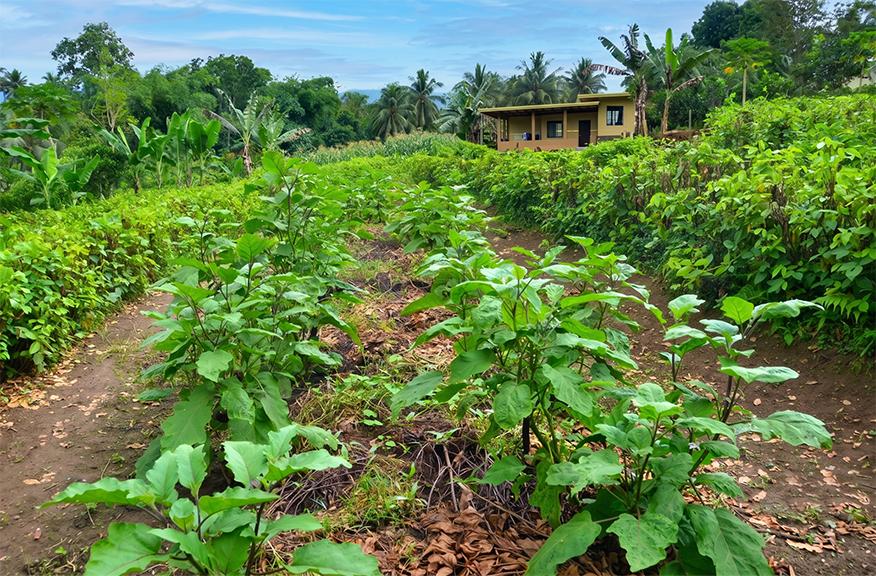
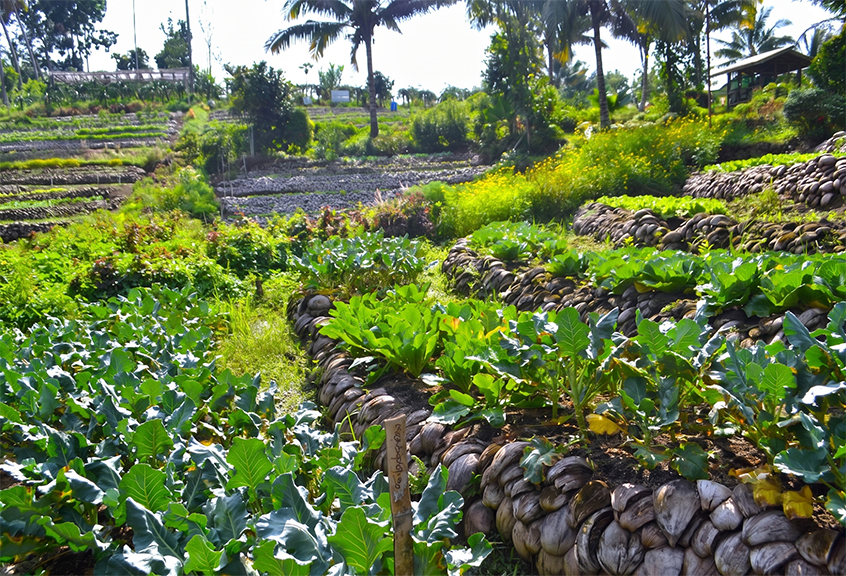
In recent years, Bansalan has been referred to as the “green town” for several reasons. One significant factor is that it hosts the renowned Sloping Agricultural Land Technology (SALT), a sustainable farming method for upland areas developed by the Mindanao Baptist Rural Life Center (MBRLC) in barangay Kinuskusan.
To promote the global application of SALT and other agricultural initiatives, MBRLC’s former director, Harold R. Watson, received the Ramon Magsaysay Award in 1985 for his contributions to peace and international understanding. MBRLC is situated approximately 10 kilometers from the town center.
About five kilometers from the town proper lies another organic farm known as Lao Integrated Farms, Inc. The proprietor, Benjamin R. Lao, utilizes coconuts to manufacture coco sugar. He markets his coconut products not only within his local community and surrounding areas but also exports them internationally.
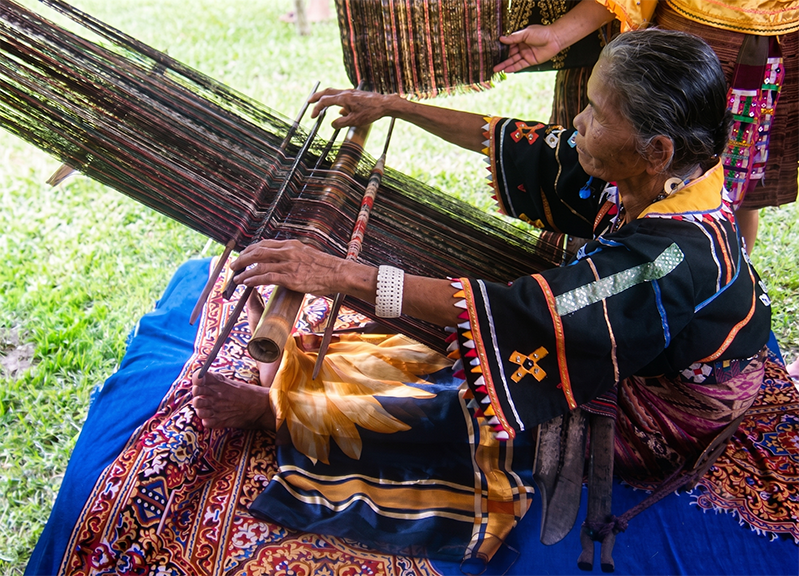
The Lao farm is located roughly three kilometers from the national highway. Continuing further to another barangay named Bitaug, one can discover the residence of the late Salinta Monon, recognized as “the last Bagobo weaver.”
In 1988, the National Commission for Culture and Arts (NCCA) recognized her as a Gawad Manlilikha ng Bayan in acknowledgement of her priceless contribution to the country’s art and culture by weaving ikat, a cloth made from abaca fibers.
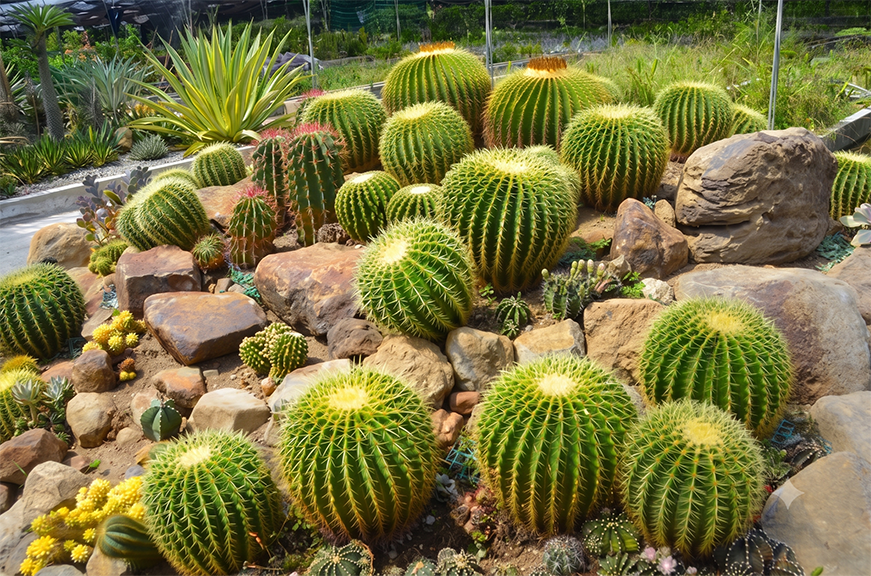
In barangay Union, you can explore Erry Cactus Farm, renowned for its tranquil garden that features a wide array of cacti and adeniums. The farm features a diverse array of cacti and bonsai of various sizes, creating a unique blend of a miniature desert and forest. In addition, an area dedicated to orchids adds a whimsical vibrancy to the garden.
From Union, you can go further to explore The Berries Farm Cabin, a hidden treasure that captivates the senses and elevates the spirit. This farm is unique for growing a diverse array of berries. Visitors have the opportunity to harvest fresh strawberries, raspberries, mulberries, and golden berries directly from the vines. Situated at an altitude of 1,200 meters, the farm enjoys a cool, misty climate reminiscent of Baguio or Tagaytay.
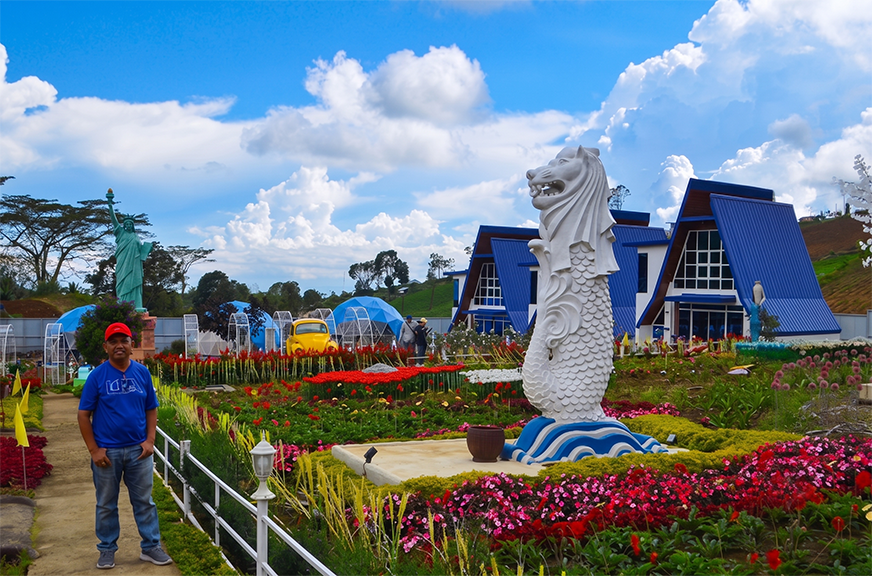
If Cebu is home to Sirao Garden, often referred to as “Little Amsterdam,” Bansalan boasts Haven’s Dew Resort. This property showcases vibrant flower farms and offers enjoyable, Instagram-friendly photo opportunities, including replicas of global landmarks (like New York’s Statue of Liberty and Singapore Merlion) and illuminated flower displays at night. Visitors can experience the Sky Bike and Zipline, which provide sweeping views of the meticulously maintained hills and vegetable gardens surrounding the area.
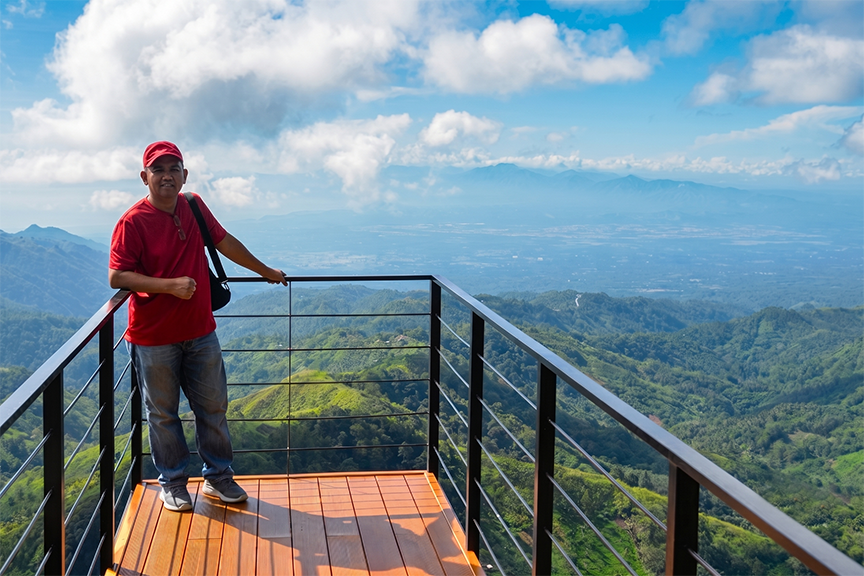
Located not far from the Haven’s Dew Resort is the Twin Mountain Resort. When you stay in one of their exclusive rooms, you will awaken to the sight of thick, fluffy clouds floating beneath the resort. The high altitude creates a cool, foggy environment that feels entirely distinct from the lowlands.
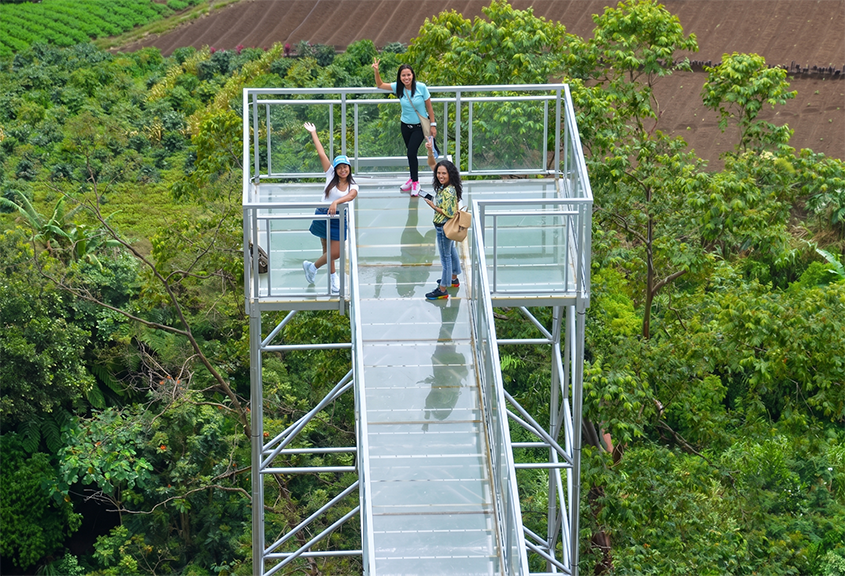
For those who enjoy adventure, Twin Mountain is also the ideal location to begin hiking and exploring untouched forests. Alternatively, you can traverse the trails surrounding the resort, which are perfect for nature walks and birdwatching. Be sure to experience the Sky Walk, the first of its kind in Davao del Sur.
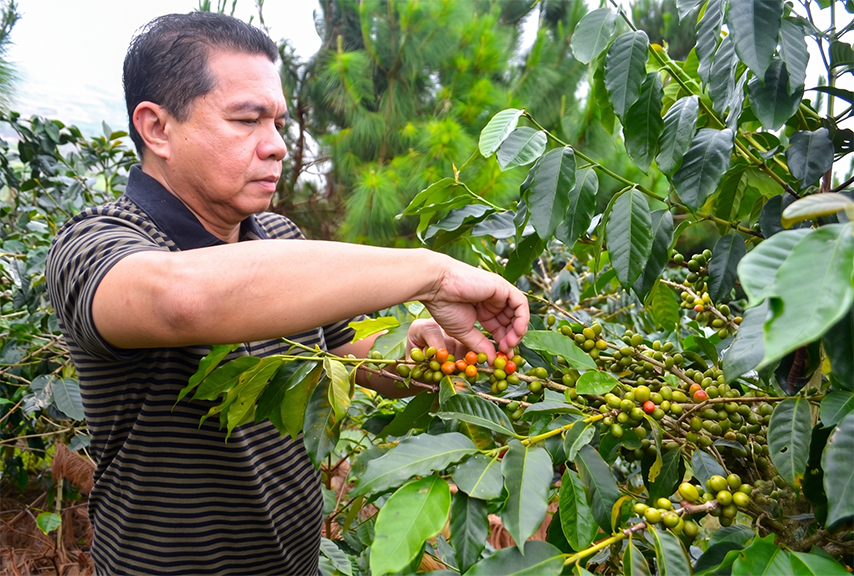
Both resorts are located in the rolling foothills of Mount Apo called Balutakay, known for its award-winning coffee. The best place to taste such a kind of coffee is at Sir Ped’s Café Mountain Resort. Imagine sipping fresh brewed coffee, which was harvested from the farm just a throw stone away from where you are sitting. It may be unthinkable but that’s what you experience when you visit the place.
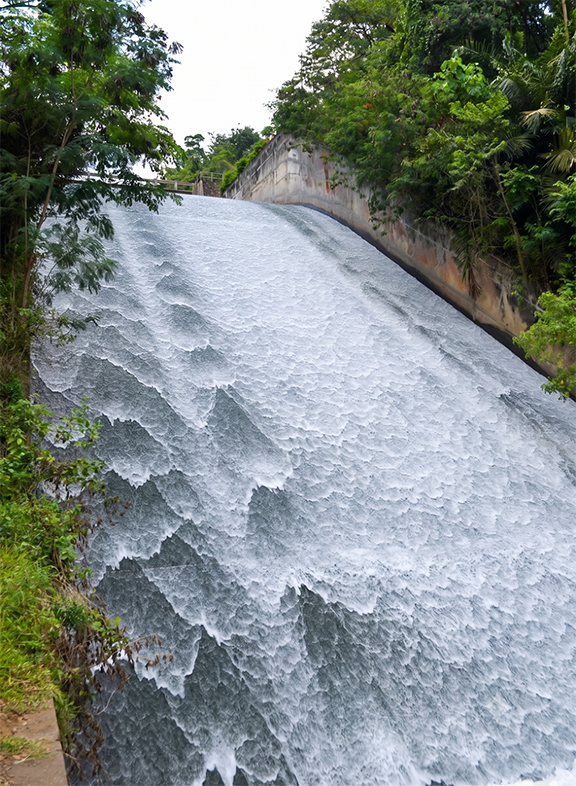
As you descend from Balutakay, consider visiting the NIA Dam in barangay Managa. This 250-meter concrete structure has become a favored, unguarded local recreation area for swimming and sliding. Originally constructed to support local agriculture, the dam is now utilized by both locals and tourists as an “adrenaline-pumping water park,” where they can slide down the concrete slope and swim in the pool at the base.
If you have an interest in architectural landmarks, a visit to the Immaculate Conception Parish Church is highly recommended. This church is distinguished as one of the most uniquely designed and aesthetically pleasing Catholic churches in Davao del Sur, inspired by French-Canadian architecture.
Bansalan boasts numerous waterfalls. Tinago Falls, located in Balutakay, is a stunning natural attraction that captivates visitors with its pristine waters and verdant environment. It is perfect for both adventure enthusiasts and nature aficionados.
In Balutakay, you will also find Kalanggaman Falls, recognized as one of the tallest waterfalls in the municipality. Angel Falls, on the other hand, can be visited just beneath the Twin Mountain Resort.
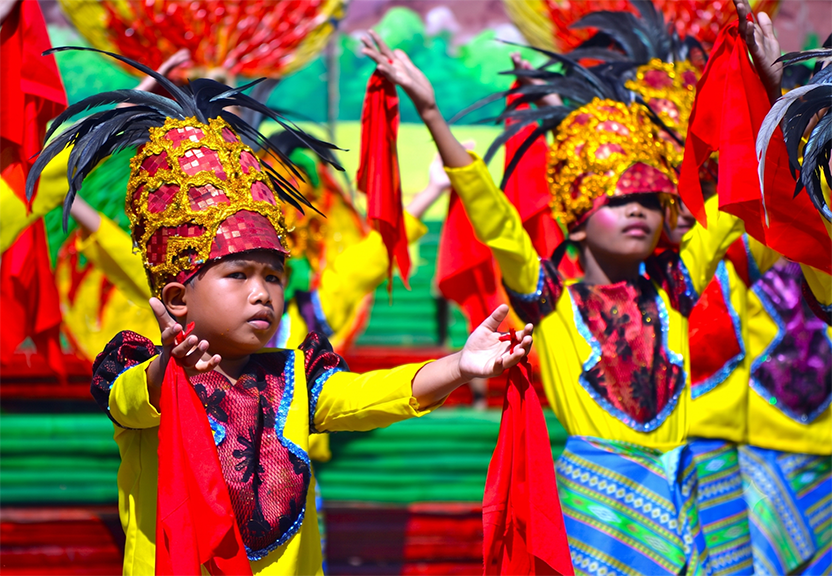
The town commemorates its rich heritage and profound devotion to the Santo Niño through the vibrant Dorongan Festival held at the end of January. This festival represents a distinctive fusion of Visayan Catholic devotion and local indigenous culture, paying tribute to the faith of the town’s settlers, many of whom originated from Cebu. The event showcases lively performances, colorful costumes, and street dancing, embodying unity and cultural harmony.
Every September, the town also observes the Bansaulog Festival, derived from the combination of the words “bansa,” which is taken from the town’s name, and “saulog,” the local term for “celebration.”
Bansaulog is a week-long festivity that culminates in street dancing, with participants hailing from various schools, including both elementary and high schools. Numerous other activities take place throughout the week.
Historically, Bansalan was a barrio within the municipality of Santa Cruz. When Digos, now the capital of the province, became a town, Bansalan was included within its jurisdiction. The municipality is situated 22 kilometers to the west of Digos.
On June 6, 1952, Bansalan was separated from Digos and under Executive Order No. 506 became a municipality itself. (In 1957, Matan-ao was created out of the territory of Bansalan. Ten years later, Magsaysay followed suit.)
But it was not until Apolonio Ilagan, a captain in the Philippine Constabulary, became the town’s first mayor on September 18, 1952, that the town celebrated its anniversary.
According to some legends, Bansalan got its name from a Bagobo chieftain (datu) named “Dansalan” whose tribal folks were the original inhabitants of what is now the town of Bansalan. A so-called reporting error by the early surveyors transposed the name to Bansalan and somehow became the official name.
Bansalan is also previously called “Miral” – named after the river – and some local folks still refer to this former name. — ###








Leave a Reply