

A Christmas Question for a Strained Health System
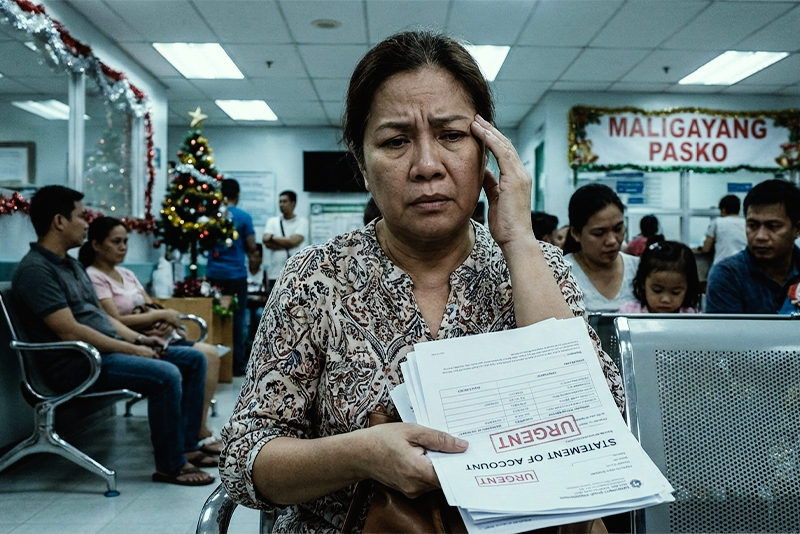
At Christmas, Filipinos are reminded of compassion, generosity, and care for the most vulnerable. Yet for thousands of families, the season of hope is also a time of hospital bills, anxious waiting, and difficult choices. As debates resurface over whether funds from the Medical Assistance for Indigent and Financially Incapacitated Patients (MAIFIP) program should be redirected to Philippine Health Insurance Corporation, health leaders warn that weakening this quiet safety net could leave many patients without help—precisely when the spirit of care should matter most. This H&L cover story explains why MAIFIP still matters, especially during the holidays, and why protecting it from delay, diversion, and political misuse is essential to compassionate health care.
By Rafael R. Castillo, MD
A Season of Joy—and Medical Reality
Christmas is meant to be a time of reunion, gratitude, and healing. But illness does not take a holiday. Every December, hospitals continue to admit patients with stroke, heart attacks, infections, trauma, and cancer—many of them families already stretched by year-end expenses.
For these patients, insurance alone is often not enough.
PhilHealth’s case-rate system provides critical support, but fixed benefit packages frequently fall short of real hospital costs, particularly for prolonged admissions, complications, and critical care. For families with limited means, even a “partially covered” hospitalization can be financially devastating.
Why MAIFIP Exists
This is where MAIFIP quietly steps in.

MAIFIP is a Department of Health–funded program designed to help indigent and financially incapacitated patients pay for medical expenses that exceed PhilHealth coverage. It is not insurance, and it was never meant to replace PhilHealth. It exists as a last line of compassion, ensuring that patients are not denied care simply because illness struck harder than their finances could bear.
During the holidays—when savings are thin and income is uncertain—this support becomes even more crucial.
Why the Debate Matters Now
Recent proposals to redirect MAIFIP funds to PhilHealth have raised serious concerns within the DOH, particularly due to persistent delays in PhilHealth payments to hospitals. Health officials have cautioned that transferring funds into a system still grappling with unpaid claims risks compounding delays rather than helping patients.
In practical terms, this debate is not about bureaucracy—it is about whether a patient can stay in a hospital bed long enough to recover, or whether a family is sent home with debt instead of relief.
Two Systems, One Moral Obligation
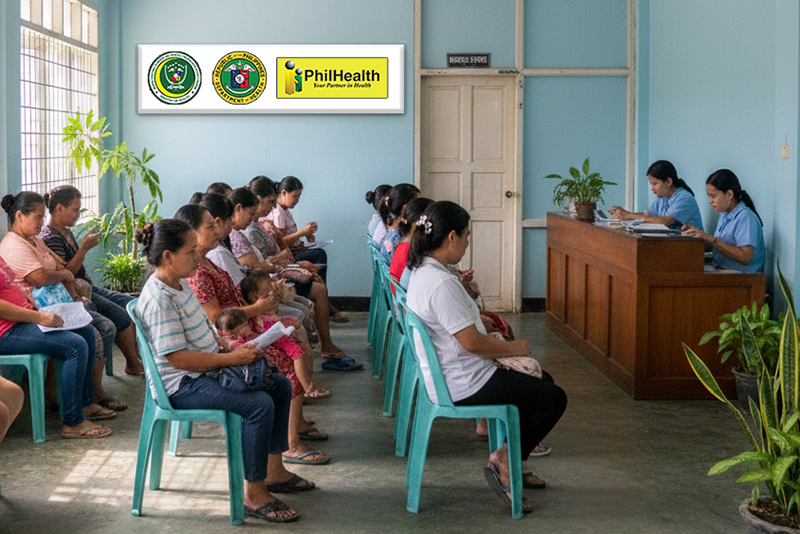
PhilHealth and MAIFIP serve different but complementary roles:
— PhilHealth spreads risk across the population through insurance.
— MAIFIP absorbs catastrophic gaps when insurance coverage runs out.
Redirecting MAIFIP funds would not solve PhilHealth’s operational challenges. Instead, it risks removing a vital safety net at the very moment it is most needed.
Guarding Compassion From Politics
As important as MAIFIP is, it must also be protected—from politicization.
Medical assistance should never function as a form of political patronage. Access must be based on medical need and financial incapacity, not endorsements, referrals, or influence. Clear eligibility rules, transparent reporting, independent audits, and professional administration are essential to preserving MAIFIP’s integrity.
Charity loses its meaning when it is filtered through politics.
A Christmas Measure of a Health System
At Christmas, Filipinos often ask: Who is left behind? Who still needs help?
A health system is ultimately judged not by its policies on paper, but by how it treats the sickest and poorest when they are most vulnerable. MAIFIP represents a commitment that even when insurance fails, compassion does not.
Protecting that commitment—while strengthening accountability and fixing systemic delays elsewhere—is not just good governance.
It is, in the truest sense, the spirit of Christmas applied to public health.
“When illness doesn’t take a holiday, compassion—and the systems that deliver it—shouldn’t either.”
Christmas Vignette: A Hospital Bed on Christmas Eve
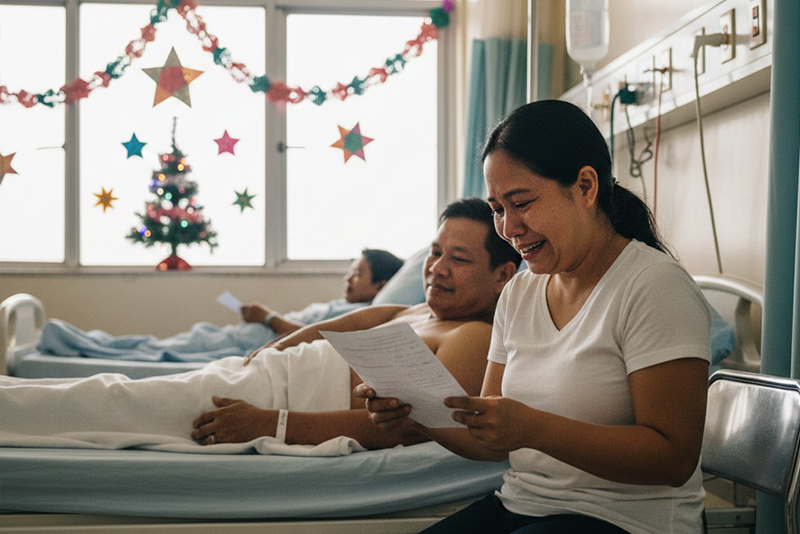
On Christmas Eve, while carols echoed from hospital hallways, Rosa* sat quietly beside her husband’s bed in a public ward. He had been admitted days earlier for severe pneumonia. PhilHealth helped—but not enough. The bill kept growing as the days passed, and every nurse’s visit reminded her of what they could not afford.
She had already called relatives, sold what little she could, and prayed silently that her husband would improve before the money ran out.
That evening, a social worker returned with news: MAIFIP assistance had been approved. Rosa wept—not loudly, but with relief. Her husband would stay. Treatment would continue. Christmas, she realized, was not in the gifts or the food this year, but in the simple grace of being allowed to heal without fear of debt.
For families like hers, MAIFIP is not policy.
It is mercy made practical.
*Name changed for privacy