

By the H&L Editorial Team
1. Stay Ahead of Heat Waves
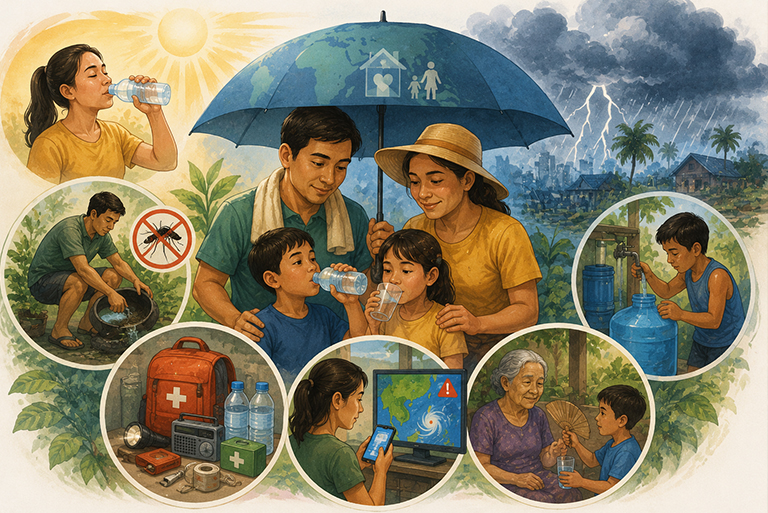
Drink water regularly, even before feeling thirsty. Older adults and children dehydrate more quickly.
2. Monitor Weather Advisories
Use PAGASA forecasts and local government advisories to anticipate extreme weather events.
3. Eliminate Mosquito Breeding Sites
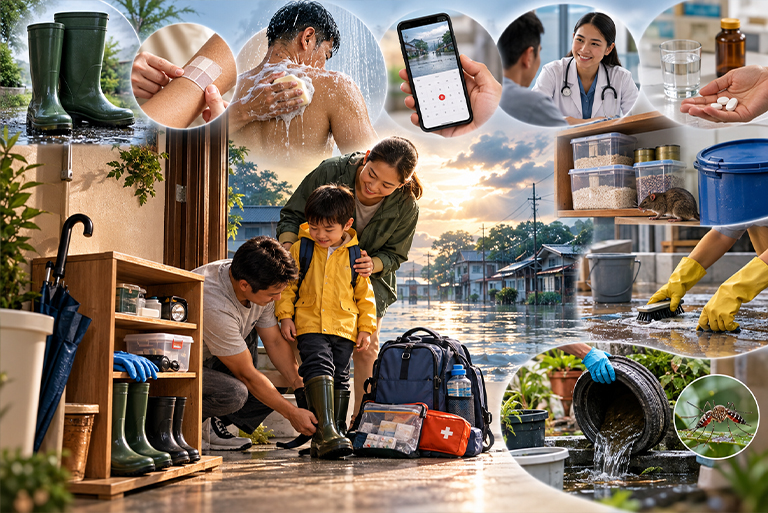
Empty stagnant water from flower pots, containers, tires, and gutters weekly.
4. Improve Home Ventilation
Use natural airflow, shade, and cooling strategies to reduce indoor heat exposure.
5. Prepare a Family Emergency Kit
Include medicines, first-aid supplies, flashlights, batteries, drinking water, and important documents.
6. Protect Vulnerable Family Members
Check regularly on elderly relatives, pregnant women, infants, and those with chronic illnesses during heat waves and disasters.
7. Maintain Routine Vaccinations
Children should remain protected against vaccine-preventable diseases that may spread during disasters.
8. Prioritize Food Safety
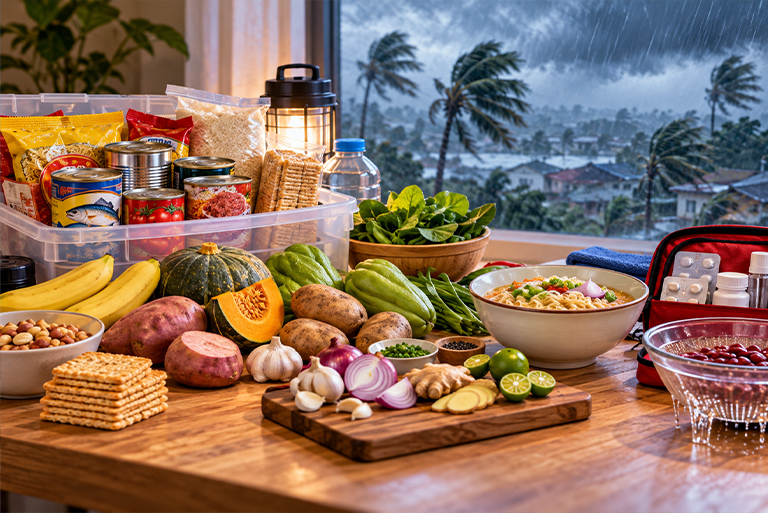
Floods and power interruptions increase the risk of food contamination and diarrheal illness.
9. Support Mental Health
After disasters, encourage family conversations, community support, and professional help when needed.
10. Practice Environmental Stewardship
Walking, cycling, tree planting, waste reduction, and energy conservation support both planetary and personal health.
“Climate resilience begins at home. Every family can take practical steps to protect health while helping protect the planet.”








Leave a Reply