

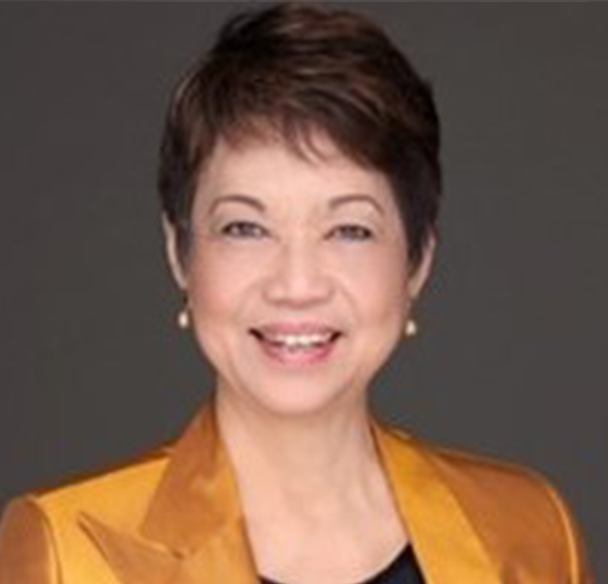
By Dr. Lourdes Ladrido-Ignacio
Psychiatry Meets Everyday Life
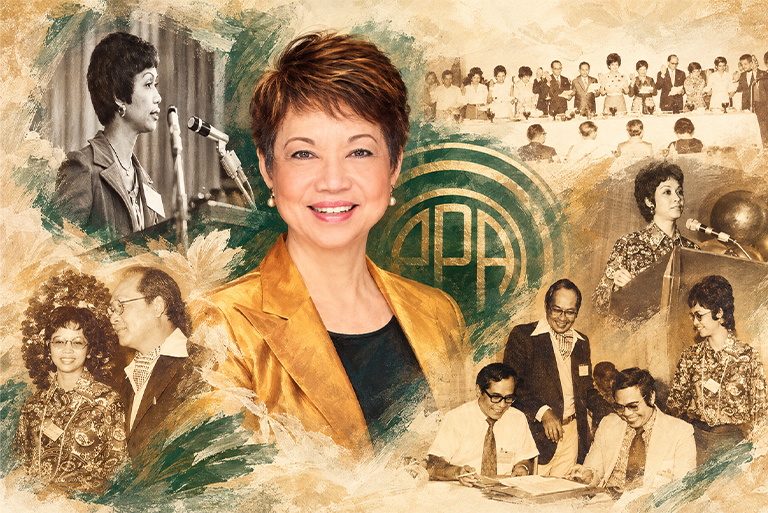
Every year during our national conventions, I truly feel honored to lead the processional of Past Presidents of the PPA and be introduced as its Founding President.
However, this is also a time when I have flashbacks to February 1972, when I was elected and took my oath as President of the Philippine Society of Psychiatry and Neurology, Inc. (PSPN).
A Trip down memory lane
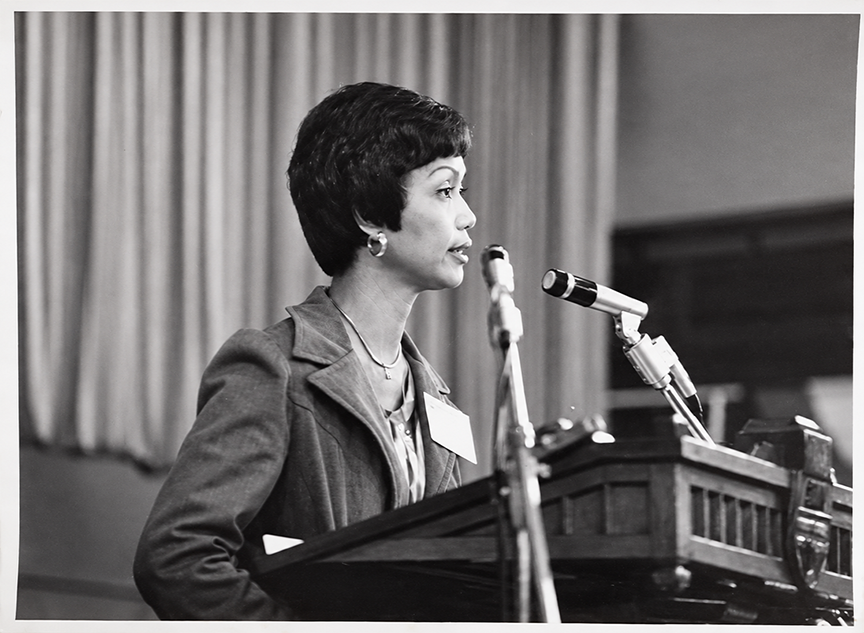
I did not even know I was a candidate for an officer of the Society – specifically, an unopposed candidate for President of the Philippine Society of Psychiatry and Neurology.
At that time, all I knew was that I had expressed some misgivings about attending the scientific meetings of the PSPN because these meetings were shared with presentations from Neurology and Neurosurgery. This left psychiatrists like myself, who composed the majority of the PSPN membership, sometimes unable to participate. We would feel overwhelmed and frustrated when it was the neurologists’ turn to sponsor the scientific meeting.
I wanted to belong to a professional organization where I could participate, hear about the latest developments in my field of Psychiatry, and develop both a good professional life and personal relationships with colleagues. I knew this sentiment was shared by most PSPN members.
While most of the candidates were simply “cajoled” into accepting our nominations, the election turn-out was peaceful and successful. Once it was over, I heard the outgoing President of the PSPN announce that the election of officers was unanimous. He thus presented me as the next President of the PSPN!
As I write this piece today, I continue to say: I was shocked! I was only a junior psychiatrist at that time!
My neurologist and neurosurgeon friends immediately approached me to congratulate me, but they seemed quite prepared to inform me that they were leaving the PSPN.
I did not know how to respond. They were congratulating me while, at the same time, telling me they were leaving the organization I had just been elected to lead?
However, I soon realized that this was not a personal rejection. Instinctively, I knew they had a plan.
Restructuring and reorganizing
They explained, in a very heartwarming way, that they had voted for me as President because they believed I would be the one to take on the challenge of reviewing the organizational structure of the PSPN and thinking “out of the box” – actively pursuing what most members wanted: to restructure and reorganize the PSPN, even if it meant dismantling it and creating three separate specialty organizations for Psychiatry, Neurology, and Neurosurgery.
I was short for words. What they were asking me to undertake was truly a formidable task. At the time, I was a relative rookie, and did not yet have any “position” of authority in the community – not even in my own Department of Psychiatry.
They explained that the majority of PSPN members were psychiatrists, most of whom were medical staff members of the National Mental Hospital (NMH). Therefore, it would be logical for the PSPN to be renamed simply as the Philippine Psychiatric Association, or PPA.
Renaming the association would also spare us from going through the tedious process of applying for corporate status with the Securities and Exchange Commission and medical specialty status with the Philippine Medical Association.
The senior psychiatrists among the NMH staff agreed and immediately offered to lead in getting a referendum among the existing members of the PSPN.
The Induction of the PSPN Officers
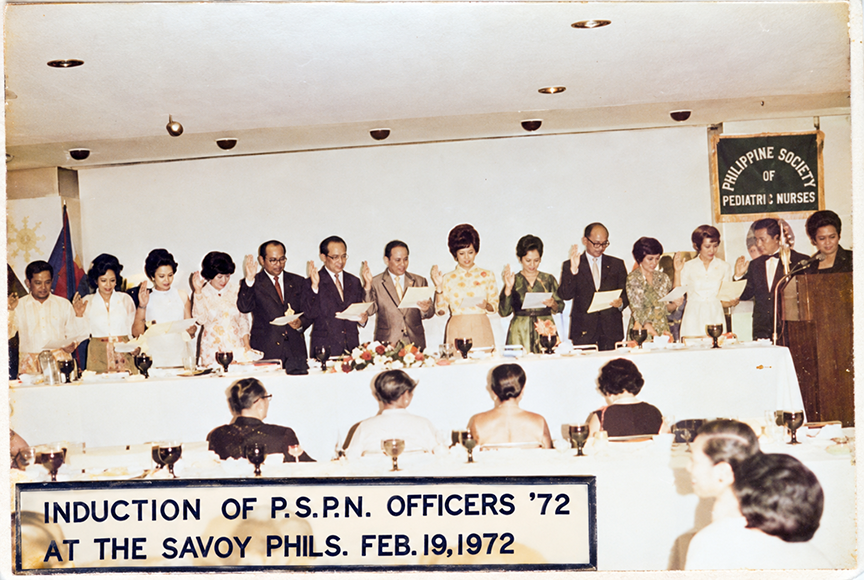
Those of us who were sworn in as officers of the PSPN on February 19, 1972, proceeded to conduct the initial PSPN activities to resolve the issue of its reorganization.
Dr. Carmen Sena, a highly respected senior psychiatrist at the National Mental Hospital, readily agreed to lead the project by organizing a referendum for members to answer the question:
“Do you agree or disagree to rename the Philippine Society of Psychiatry and Neurology to the Philippine Psychiatric Association?”
Within several weeks, we had the response of 90 PSPN members. It was a resounding YES, we agree…the PSPN should be renamed PPA!
This included 81 psychiatrists, including psychiatrists from regional mental hospitals across the country, seven neurologists, and two neurosurgeons.
However, some senior members of the Psychiatry community who had served as PSPN Presidents in the past were not short of strongly reminding me that I was still a young psychiatrist.
But convinced of the support of the 90 members who agreed with us in the referendum, I took this as part of the challenges ahead. In fact, it provided an important reminder that our primary task was to foster collegial relationships and fellowship among us, work for unity despite our diversity, and nurture a sense of belongingness to the PPA.
The Birth of the PPA
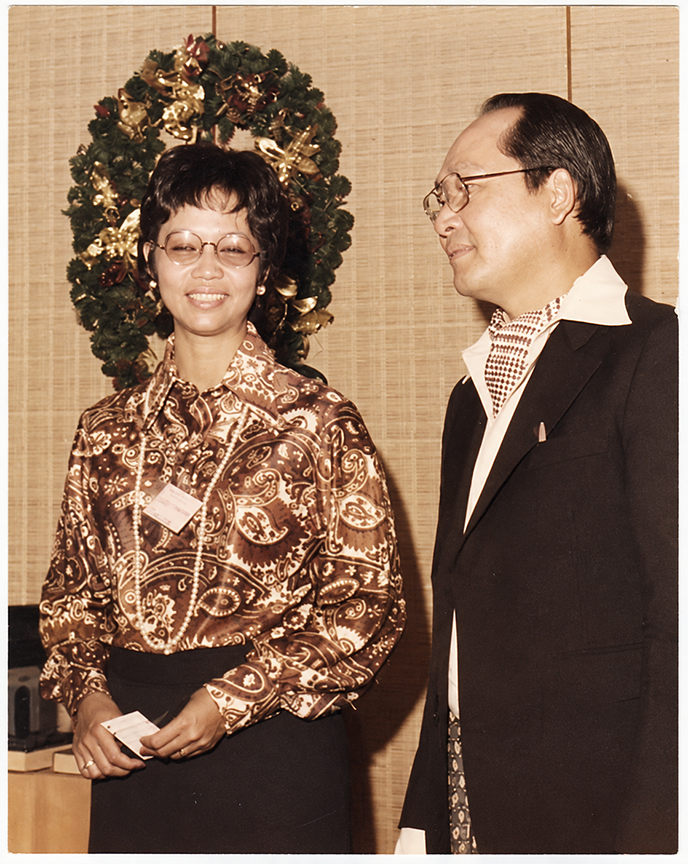
This was not without struggles and pain. But it had the strength, persistence, commitment, and selflessness of its members to fulfill a dream: to have an association they could call their own, where they could pursue further professional development and contribute to the advancement of their specialty.
Psychiatry was not yet highly valued or recognized at that time. It had low priority in government programs and was affected by the stigma surrounding mental health. Yet Psychiatry was evolving into an important field in medicine and healthcare development.
The approval of the change of name from PSPN to PPA led to the retention of the membership status of those who chose to remain with the new organization. These were mainly the psychiatrists.
We proceeded to request recognition as an affiliate society of the Philippine Medical Association (PMA), and facilitate the parallel recognition of the Philippine Neurological Association and the Philippine Society of Neurosurgery.
Today, we continue to move with pride alongside our neurologist and neurosurgeon colleagues as we pursue the provision of quality psychiatric, neurological, and neurosurgical programs and services for our people.
The PPA in 1973
Out of the Shadows into the Sunshine
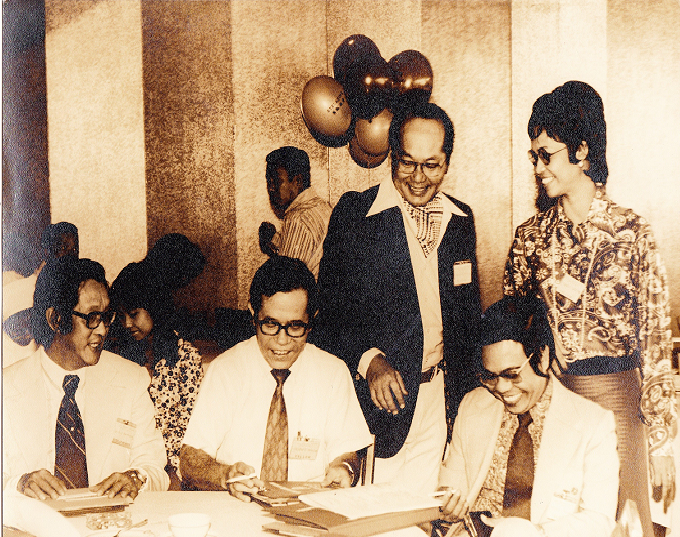
“Out of the shadows into the sunshine” was a line we often used then to remind ourselves why we needed to organize the PPA.
We would say this as we undertook the tasks of organizing the PPA into working committees, or whenever we needed to “stand tall” as members of the PPA – representing the organization in meetings with other groups, government agencies, medical societies, and civic organizations, or as we lectured and advocated for the recognition of Psychiatry and Mental Health in the community.
I clearly remember saying this when I thanked the President, Officers, and Board of Governors of the Philippine Medical Association after they unanimously approved the recognition of the PPA as an affiliate society and as a recognized expert in its field within the medical community.
In his response, the PMA President said that recognizing the PPA was the debut of Psychiatry to the medical community and society as a whole.
Emerging from the shadows
We soon realized, however, that emerging from the shadows was going to be difficult and formidable.
The PSPN had no resources to pass on to the PPA. It had no funds; it was operating on a ZERO (0) budget. It had no office and no administrative staff – not even a secretary to manage communications and daily operations.
We realized we needed to organize right away into working committees.
I was reassured and truly impressed by the openness, selfless support, and active participation of senior psychiatrists, especially those who headed or chaired Departments of Psychiatry in their respective hospitals.
Our first PPA organizational meeting was held at a conference room in St. Luke’s Hospital, Quezon City, where the Head of the Department of Psychiatry was Dr. Virgilio Santiago.
Other Department Heads who participated in getting our organizational meetings going were: Dr. Hilario Florendo of the Veterans Memorial Hospital; Dr. Jaime Castaneda of the National Mental Hospital, who designated Dr. Carmen Sena and Bella Balza as representatives of the NMH; Dr. Gilberto Gamez, of the University of Santo Tomas Hospital, who designated Dr. Romualdo Anselmo as UST’s representative; Dr. Baltazar V. Reyes, of the UP-PGH Medical Center; and Dr. Andres Yllana of the AFP Medical Center V. Luna Hospital.
Working committees were formed and placed under the responsibility of an officer of the PPA. For practical considerations, these officers were hold-over officers of the PSPN, including myself as President.
1. The Committee on Constitution and By-Laws
This was the first committee organized to work on the amendment of the Constitution and By-Laws of the PSPN, specifically the change of name from PSPN to PPA and the provisions relevant to the practice of Psychiatry.
Two senior and respected psychiatrists, Dr. Baltazar Reyes and Dr. Carmen Sena, helped me rewrite as amended, the Constitution and By-Laws of the PSPN. The final legal document was reviewed by Atty. Antonio B. Ignacio, my husband, a corporate lawyer and management consultant.
2. The Executive Committee
The formal organization of the PPA was guided by these final constitutional provisions.
As President, I proposed that the Officers and Board of Directors of the defunct PSPN be recognized as hold-over Officers of the PPA. Each officer was designated as responsible for a particular committee, while the Department Heads of Psychiatry mentioned earlier were appointed by the President as members of these committees.
The Officers of the PPA and designated Committee Chairs therefore formed the Executive Committee of the PPA.
During its first meeting, the priority programs for the first year of the association were identified.
The PPA Officers of 1973 were as follows: President: Lourdes Ladrido-Ignacio, President-Elect: Virgilio S. Santiago, Vice President: Baltazar V. Reyes, Jr., Secretary-Treasurer: Araceli Maravilla, Assistant Secretary: Romualdo Anselmo, Assistant Treasurer: Catalina Santos, and Press Relations Officer: Hilario Florendo.
The following members of the Executive Committee served as chairpersons and members, as follows: Chair: Lourdes L. Ignacio, Finance Committee: Virgilio Santiago and Araceli Maravilla, Committee on Scientific Activities and Conferences: Baltazar V. Reyes and Lourdes V. Lapuz, Fellowship/Public Relations Committee: Romualdo Anselmo, Hilario Florendo, Bella Balza, and Luisa Ejercito.
The Executive Committee decided to focus the PPA’s first-year activities on four priority concerns: Finance, Fellowship and Public Relations, and Scientific Activities.
During our first year, it was urgent to generate funds; strengthen collegial relationships and a sense of belonging among members; conduct monthly scientific meetings and an annual national convention; and establish greater awareness and recognition of the PPA and its members among the public and professional communities.
The Executive Committee realized that one way to address these urgent concerns was to organize scientific meetings leading to the first PPA National Convention in November 1973, just six months later.
3. The Finance Committee
Due to the dearth of funding, the Finance Committee had to be activated urgently.
It was headed by Dr. Virgilio Santiago and Dr. Araceli Maravilla, who drew up plans and programs to generate financial resources, and to secure a sound financial status for the association.
Pharmaceutical companies were contacted for sponsorship of the proposed three-day convention. Initially, this was met with a lot of skepticism. But Dr. Santiago was certain that the General Managers of pharmaceutical companies marketing psychiatric medicines would not be difficult to convince.
Dr. Santiago and I had earlier met with his very good friend, Mr. Eric Mentha, General Manager of Roche Pharmaceuticals.
Mr. Mentha not only agreed to be part of the short program during the party, but also provided us with the names of the General Managers of other major pharmaceutical firms, including Smith Kline and French, Sandoz, Ciba-Geigy, and Pfizer, and Filipino pharmaceutical companies, such as Pascual Laboratories and United Laboratories.
It was pleasant and reassuring when Mr. Mentha moderated the short program during the party, with the goal to solicit PPA convention sponsorships.
Mr. Mentha reassured us that this was merely a business promotional strategy. He welcomed the collaboration because the pharmaceutical industry needed to know the PPA and express their appreciation for the support of psychiatrists for the medicines they marketed.
The cocktail party was held at the Executive Floor of SGV & Co., a major business firm, and was attended by PPA officers and members of the Executive Committee, general managers of pharmaceutical companies marketing medicines used in Psychiatry in the Philippines, and some philanthropic friends of the PPA officers.
Roche Pharmaceutical Co. sponsored the first day of the convention, followed by Smith Kline & French and Sandoz, which generously sponsored the succeeding two days.
Each also pledged to give a check donation to the PPA.
The General Managers of other pharmaceutical firms not only pledged check donations but also offered to support other convention needs, such as disseminating invitations through their medical representatives, producing materials for a public information campaign on mental health, and printing the souvenir program of the convention. The latter would also include advertisements, which became another source of funds.
4. Committee on Scientific Activities and Conferences
In the meantime, monthly scientific meetings were held in the Departments of Psychiatry of hospitals whose Heads or Chairs were members of the Executive Committee. This sustained the participation of members because the topics presented and discussed were chosen by them.
The Chairs of the committee, Dr. Baltazar Reyes, Dr. Lourdes Lapuz, and Dr. Carmen Sena, proposed the theme “Psychiatry and its Relevance Today” for the First National Convention.
Amid the preparations, another memorable moment came along.
Dr. Baltazar Reyes suggested that we invite as keynote speaker, Mr. Enrique Zobel, President of Ayala Corporation – a major business firm in the country.
We could not believe our ears.
A few days later, Dr. Reyes informed me that Mr. Zobel had not only accepted our invitation but had also pledged to give a check donation to the PPA.
We definitely knew then that we would, in fact, emerge from the shadows. The sun would be shining brightly for the PPA!
The PPA’s First Annual Convention in November 1973
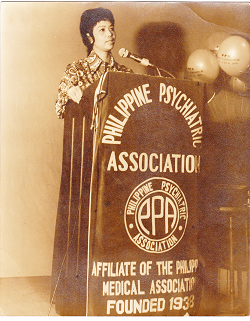
The event, held at the prestigious Hyatt Regency hotel in Manila, Philippines, formally launched the organization. After Mr. Zobel’s keynote address, the officers took their oaths of office before the President of the Philippine Medical Association, Dr. Renato Espinosa.
The scientific program was rich in diversity. The topics were recognized as relevant not only for psychiatrists to understand, but also for them to be available to extend their expertise whenever called upon.
There was participation from spiritual healers who, at that time, had gained recognition as “healers” and were open to discussing with psychiatrists and mental health professionals the implications of indigenous healing on the mental health of our people.
The relevance of Psychiatry in the occupational and labor sector brought the participation of colleagues from the Philippine Academy of Occupational Medicine.
Psychiatry in schools brought together child psychiatrists, guidance counselors, teachers, and school administrators.
The issue of stigmatization in Psychiatry, as experienced by service providers and users, saw the participation of families and patients who, together with their psychiatrists, openly joined the discussions.
Each of the three days of the convention focused on these topics. Special-interest groups met in smaller groups and then convened at the end of each day in plenary sessions.
Everyone agreed that they were gaining a broader perspective of Psychiatry – one where collaboration was possible.
It seemed that the horizon for Psychiatry had started to shine and become better understood.
5. Committee on Public Relations and Fellowships
A public information campaign was planned, and mental health education materials were produced for distribution to members of both broadcast and print media.
Dr. Bella Balza and Dr. Luisa Ejercito hosted fellowship activities among PPA officers and members with media people, often at Dr. Ejercito’s beautiful home. Dr. Ejercito’s husband, then-Mayor Joseph Estrada of San Juan, who was also a movie actor, further helped strengthen our connection with the media.
Dr. Ejercito and the Mayor had met when both worked earlier at the National Mental Hospital, so they were considered NMH alumni.
The Fellowship Night at the closing of the convention was highlighted by the presence of popular singers and other celebrities who joined Mayor Estrada.
The convention closed with each member assuring us of their commitment to the PPA.
Looking Back at the Beginning
As I delivered my valedictory address at the launching of the PPA during its First National Convention, I said:
“I thank the Lord for having given me this singular privilege to be the 1st President of the PPA.”
With much humility, but with a firm voice, I said:
“Mabuhay Tayong Lahat at Maraming Maraming Salamat.”
I thanked:
1. The 90 members of the PSPN who voted to rename it as the PPA.
2. All the PPA officers and members of the Executive Committee who persevered and worked selflessly so that the PPA:
3. All the registrants of the First Psychiatric Convention in the Philippines, whose active participation in discussing our theme, showed us that the horizon for Psychiatry in our country had broadened and become clearer.
We looked forward to the coming years.
I was truly convinced that our vision of the PPA as a leader in the mental health field in the country would be carried out because its officers and members had expressed this commitment through their selfless perseverance to undertake what it took to build the organization despite having no funds and an unclear organizational structure.
“Our logo, which is our legacy, would carry us not only out of the shadows, but into the sunshine.”
Our Journey Toward Leadership and Strength
As earlier mentioned, the organization of the PPA clearly brought Psychiatry out of the shadows and into the sunshine.
1. Strengthening the Organization
We strengthened our Constitution and By-Laws to allow us to be available whenever we were needed across the country.
A major amendment was the appointment to the PPA Board of Directors of three Directors representing Luzon, Visayas, and Mindanao, selected by members from their respective regions.
All committees were also activated.
The Psychiatric Education Committee successfully integrated Psychiatry into the undergraduate education of healthcare professionals, including medical, nursing, and allied health professionals.
Postgraduate psychiatric education in residency training is now undertaken by an Accreditation Committee to ensure that PPA Psychiatric Training Centers observe the standards for certification as specialists in Psychiatry. This Committee works closely with the Philippine Board of Psychiatry to ensure the high quality of psychiatrists as specialists in the field.
2. Participating in National Concerns
Philippine psychiatrists have actively participated in important national concerns.
During the Martial Law years, Dr. June Lopez organized Philippine Action Against Torture. She was joined by many colleagues in addressing the psychosocial consequences of these extreme life experiences and providing care to survivors of those politically oppressive years.
This pioneering program provided the basis for work on trauma and highlighted the humane perspective of psychiatrists as they served and helped those who needed care, despite the challenges and risks involved.
Psychiatrists also worked to extend much-needed mental healthcare to remote and inaccessible areas where such services were unavailable.
Psychiatrists also led the Mental Health Task Force in Disaster Management organized by President Corazon Aquino in 1990 after the devastating earthquake that struck Central and Northern Luzon.
The work of the Task Force expanded a year later when the 600-year dormant Mount Pinatubo erupted, causing immeasurable suffering among those affected by destruction and displacement.
Before these disasters, mental health programs and psychosocial interventions for survivors were not yet integrated into the overall disaster management program of the Philippines.
The work of the Mental Health Task Force, together with the publication of “From Victims to Survivors” by psychiatrists from the Department of Psychiatry of UP-PGH, contributed to the integration of psychosocial intervention into the country’s overall disaster management program.
Government agencies have since incorporated psychosocial intervention programs, recognizing their importance in a country that is geographically and geologically vulnerable to major disasters.
Psychiatrists also led the successful passage of Republic Act 11036, otherwise known as the Philippine Mental Health Law.
For the first time, there was a national mental health policy with a vision of Mental Health for all Filipinos and a mission to provide psychiatric and neurological care services and psychosocial intervention programs during extreme life experiences.
3. Participating in Global Psychiatry and Mental Health
Philippine psychiatrists have likewise participated in global psychiatry and mental health activities:
- as members of the Expert Advisory Committee of the World Health Organization and as consultants in the development of mental health services in the Western Pacific Region;
- as elected officers of international mental health organizations; and
- as recipients of Outstanding Lifetime Achievement Awards from these organizations.
Truly, the PPA has propelled the field of Psychiatry “out of the shadows into the sunshine.” It has evolved as an organization to allow Filipino psychiatrists to be available and accessible in responding to the needs of people amid threats to their mental health and well-being, and to those who experience intense social suffering from mental health conditions.
About the Author
Dr. Lourdes Ladrido-Ignacio, FPPA (Life) is a Professor Emeritus in Psychiatry at the University of the Philippines and a distinguished leader in Philippine and global mental health. She is the Founding President of both the Philippine Psychiatric Association where she was awarded as the Most Outstanding Psychiatrist, and founding president of the World Association for Psychosocial Rehabilitation–Philippines (WAPR-Phil), and later served as Global President of WAPR. She has received numerous honors, including the Most Outstanding Lifetime Achievement Award from both the UP Alumni Association, and the Asian Federation of Psychiatric Associations where she serves as a founding member. Conferred as the Visionary Researcher in Medical Research Award from the National Academy of Science and Technology. She’s also the past Chairperson for the Mental Health Research Advisory Group, for Philippine Council for Health Research and Development.









Leave a Reply