

Words and Photos by Henrylito D. Tacio
From abandoned mansions and ancient temples to imperial palaces and forgotten fortresses, some destinations attract travelers not only for their history but also for the chilling legends that refuse to fade away.
“There had stood a great house in the center of the gardens, where now was left only that fragment of ruin. This house had been emptied for a great while; years before his birth. It was a place shunned by the people of the village, as it had been shunned by their fathers before them.”
Those haunting words from William Hope Hodgson’s The House on the Borderland often come to mind whenever conversations drift toward places burdened by dark reputations and ghostly legends. The novelist’s description of a dreaded abandoned house captures a fascination that continues to draw travelers around the globe: our enduring attraction to places where history, mystery, and folklore converge.
That fascination was rekindled when I came across a book published by Life magazine featuring some of the world’s most haunted locations. The volume presents an intriguing collection of eerie photographs and unsettling stories from destinations described as “creepy, ghostly, and notorious spots.”
According to the editors, inspiration for the project can be traced to Charles Dickens, who once wrote: “There is no end to the old houses, with resounding galleries, and dismal state bedchambers, and haunted wings shut up for many years, through which we may ramble and encounter any number of ghosts.”
Indeed, throughout history, imposing mansions, abandoned castles, remote temples, and battle-scarred fortresses have inspired stories of spirits and supernatural visitors. Popular culture has embraced these themes, immortalizing creepy houses and eerie hotels through films such as The Texas Chainsaw Massacre, The Silence of the Lambs, Psycho, and The Shining.
Yet haunted places are not merely Hollywood inventions. They exist, at least in folklore and local belief, on every continent. From forgotten tombs in Latin America to medieval castles in Europe and ancient temples in Asia, travelers continue to be drawn to sites where the past is said to linger long after death.
The Philippines’ Forgotten Ghost Stories
Curiously, despite the country’s rich traditions of supernatural tales, none of the country’s haunted sites were included in the Life compilation. This omission is surprising, considering the abundance of local landmarks associated with unexplained occurrences and ghostly legends.
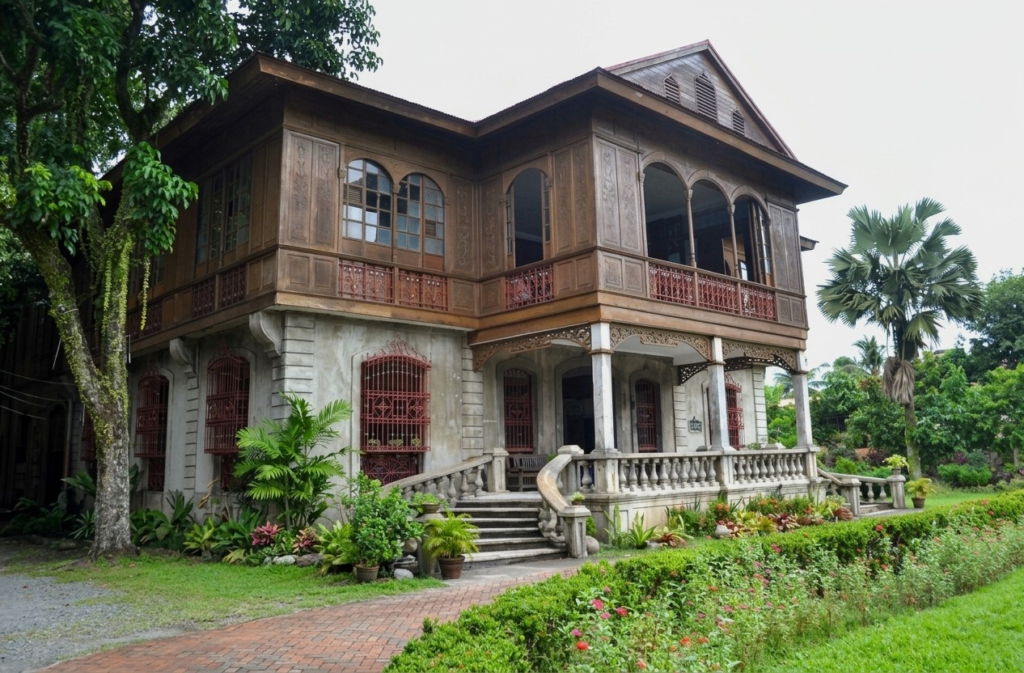
One such place is Balay Negrense in Silay City, Negros Occidental. Constructed in 1897, Balay Negrense stands as an elegant example of the classic bahay na bato, the distinctive Filipino house design that flourished during the Spanish colonial era. Unlike many traditional homes of its type, however, its lower portion reflects American influences, utilizing concrete instead of stone.
The ancestral house rests on sturdy trunks of the native balayong tree, while its upper structure is made of hardwood crowned with a galvanized iron roof. Like many grand residences of its time, it boasts high ceilings, expansive windows, and ventanillas that promote natural airflow.
The architecture alone is enough to impress history enthusiasts. Yet it is the stories attached to the house that have captivated generations of visitors.
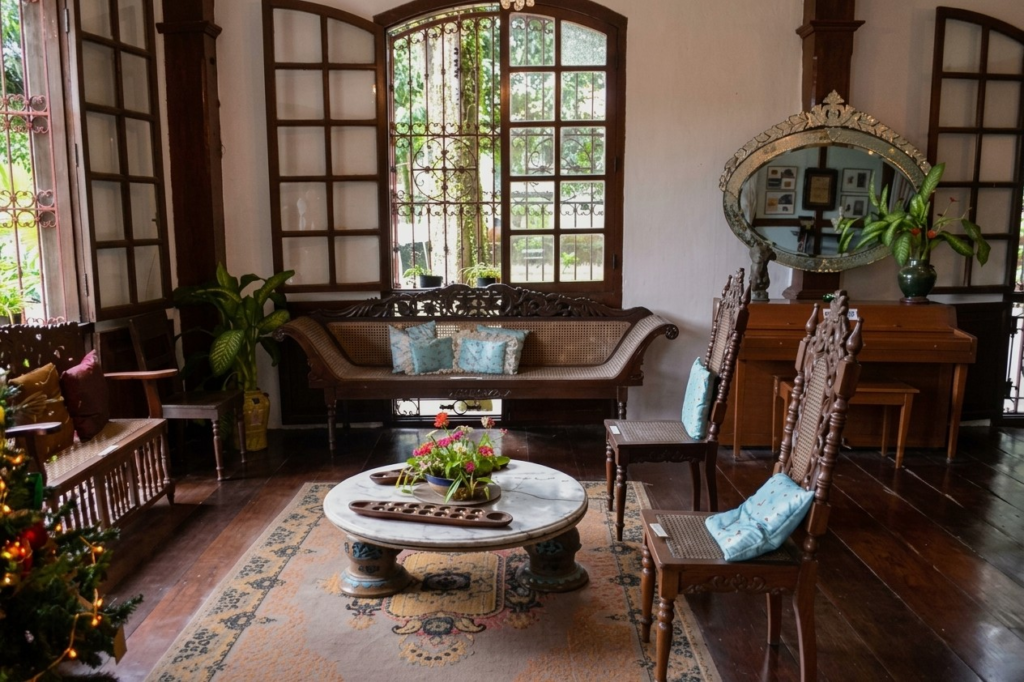
During my visit, I was advised not to gaze too long into the antique mirrors displayed inside. Local guides warned that one might catch a glimpse of something other than his own reflection.
Others have spoken of mysterious sensations while exploring the house. Some claim to feel an unseen presence watching them from distant corners. Others report footsteps echoing through empty rooms or a strange awareness that someone is moving silently behind them.
Whether these experiences stem from imagination, suggestion, or something more mysterious remains a matter of personal belief. Nevertheless, they have become part of the mansion’s enduring appeal.
Angkor Wat: Lost in the Realm of Spirits
Of all the haunted places highlighted in the Life volume, one that I had the privilege of visiting was Angkor Wat in Siem Reap, Cambodia.
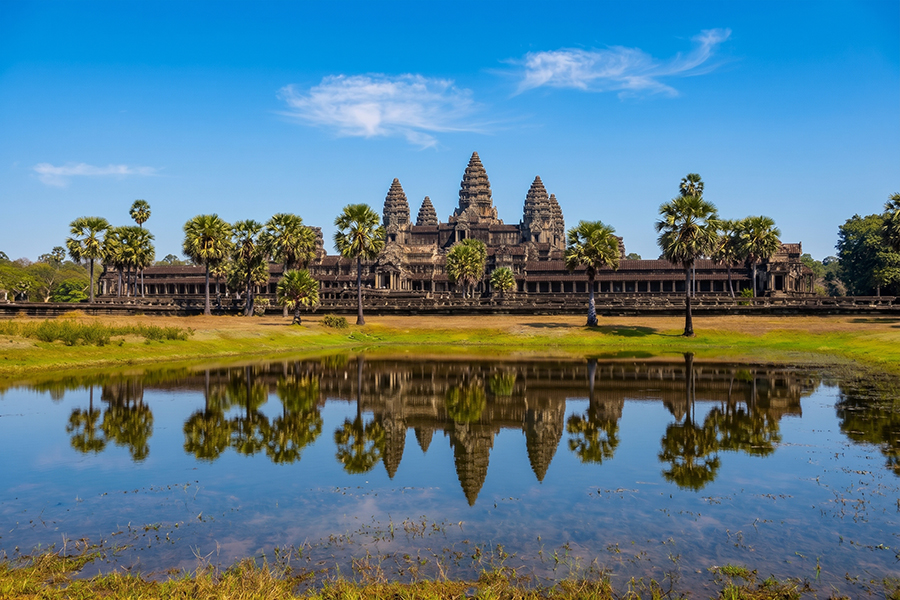
Even without ghost stories, Angkor Wat possesses an almost supernatural quality. The Portuguese friar Antonio da Madalena, among the earliest Western visitors to the temple complex, described it as unlike any structure in the world, marveling at its towers, elaborate decorations, and architectural refinements.
Centuries later, French explorer Henri Mouhot compared it favorably with the greatest achievements of Greece and Rome. He considered it a monument worthy of standing beside humanity’s finest architectural masterpieces.
The Cambodian tourism authority describes Angkor Wat as unrivaled in both beauty and preservation. Its vast galleries, soaring towers, and endless bas-reliefs inspire awe in almost every visitor.
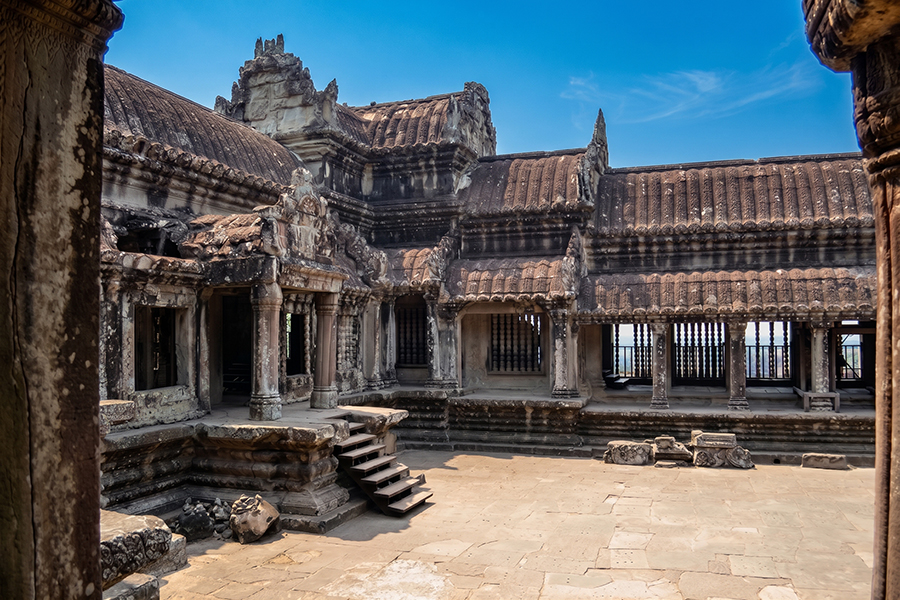
Perhaps that overwhelming grandeur explains why so many people describe the place as otherworldly.
According to Life, visitors often experience a sense of disorientation while exploring the labyrinthine complex. Some feel as though they have crossed into a realm inhabited by spirits. Others become unexpectedly lost among passageways, courtyards, and temple corridors that appear deceptively similar.
Walking through Angkor Wat at sunrise, surrounded by ancient stones that have witnessed nearly a millennium of human history, it is easy to understand why legends of spirits endure. The atmosphere is not necessarily frightening, but it undeniably carries a feeling of timeless mystery.
The Great Wall: Earth’s Longest Cemetery
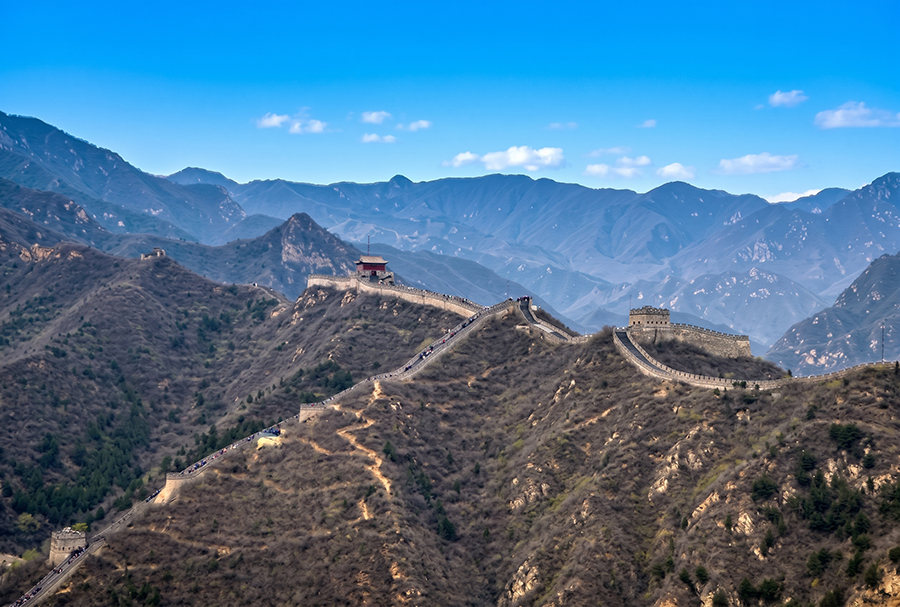
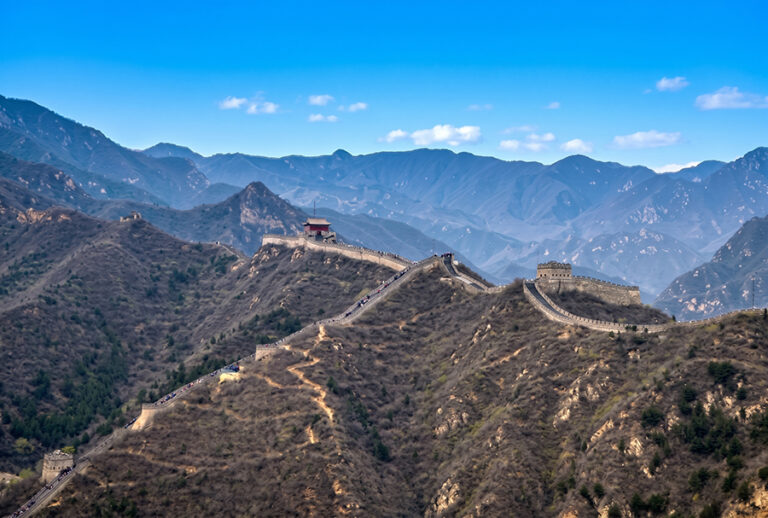
Another site featured in the book is the Great Wall of China. Stretching thousands of kilometers across mountains, deserts, and grasslands, it represents one of humanity’s most ambitious construction projects. Some estimates place the total length of all connected sections at approximately 22,000 kilometers.
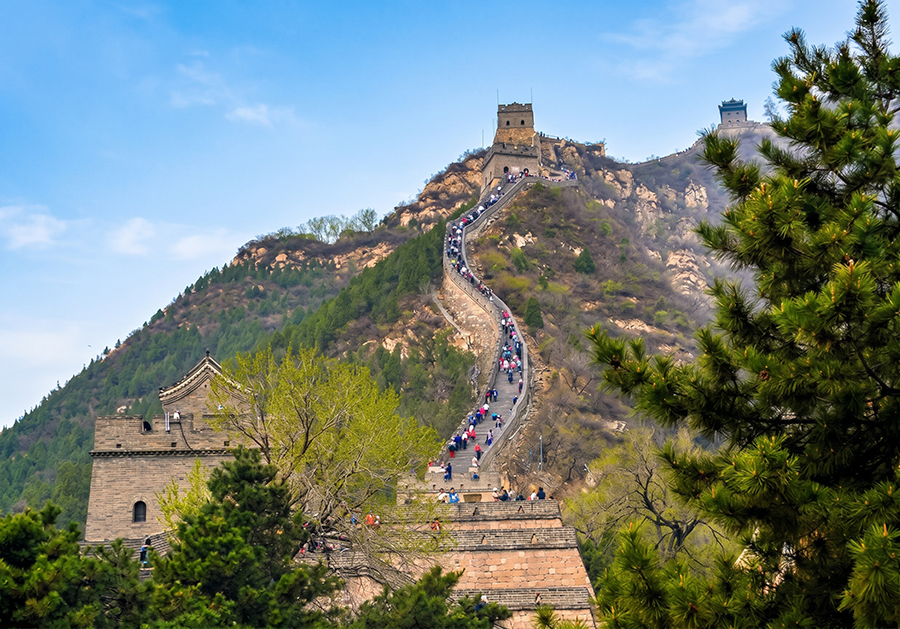
Its massive dimensions are impressive. But behind the monumental achievement lies a much darker story.
The wall was built over centuries by soldiers, conscripted laborers, prisoners, and captured enemies. Historical accounts suggest that enormous numbers of workers died during its construction due to exhaustion, accidents, disease, and harsh conditions.
For that reason, the Great Wall has often been called the world’s longest cemetery. According to folklore, many laborers were buried near or beneath sections of the structure they helped build. Whether fully accurate or not, these stories have become deeply embedded within Chinese cultural memory.
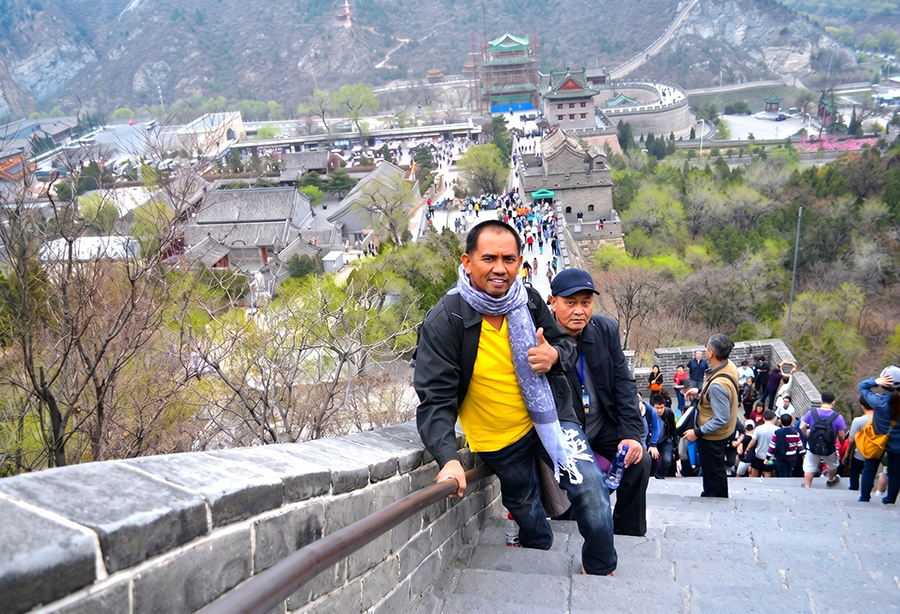
Life notes that numerous visitors have reported unusual experiences while walking the ancient fortifications. Some describe feelings of discomfort, dizziness, or unexplained sadness. Others claim to have seen apparitions resembling workers from centuries past.
There are even tales of spectral figures pushing, striking, or startling unsuspecting tourists before suddenly disappearing.
Skeptics attribute such experiences to fatigue, weather conditions, and the psychological impact of knowing the wall’s tragic history. Believers see them as evidence that the souls of those who suffered there never truly left.
Regardless of one’s perspective, the Great Wall remains a place where history’s weight feels almost tangible.
The Forbidden City: Palace of Intrigue and Shadows
No visit to Beijing is complete without exploring the Forbidden City, known today as the Palace Museum. Covering an enormous area of approximately 100 hectares, the complex served as the political and ceremonial heart of imperial China for nearly five centuries. Twenty-five emperors of the Ming and Qing dynasties ruled from within its walls.
Recognized by UNESCO as a World Heritage Site, it contains the largest collection of preserved ancient wooden structures on Earth. Yet beneath its stunning architecture lies a history filled with ambition, betrayal, heartbreak, and violence.
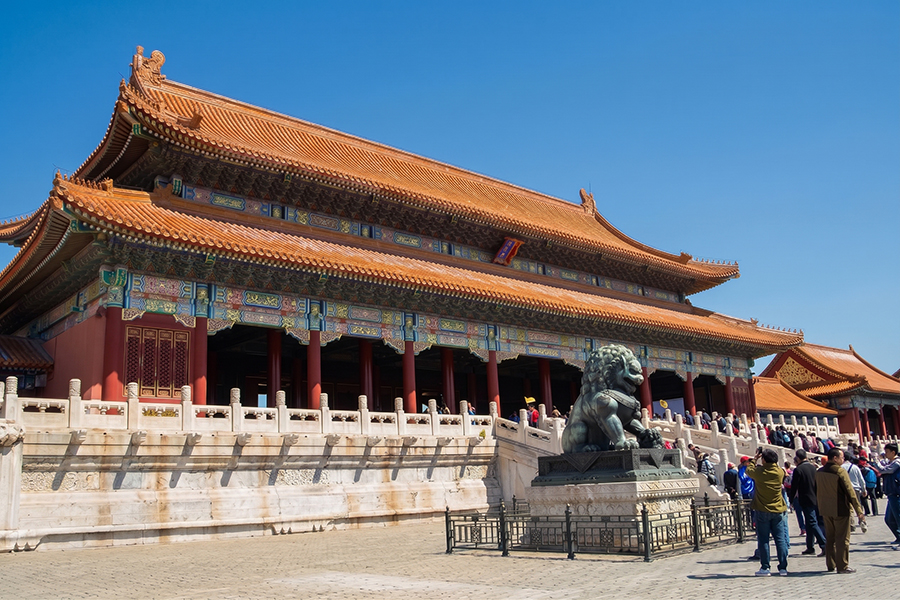
The palace emerged from political turmoil. Prince Zhu Di seized power after a bloody struggle and later established Beijing as the imperial capital. Construction of the magnificent complex began in 1406 and continued for years.
Within its thousands of rooms unfolded countless dramas involving rival officials, ambitious princes, jealous consorts, powerful eunuchs, and competing factions. According to Life, if any place deserves a reputation for being haunted, it is this sprawling palace complex.
Stories have circulated for decades about mysterious sounds heard after dark, phantom women dressed in imperial robes, and strange occurrences witnessed by night guards. Some claim to hear weeping in deserted corridors. Others report seeing fleeting figures vanish behind palace walls.
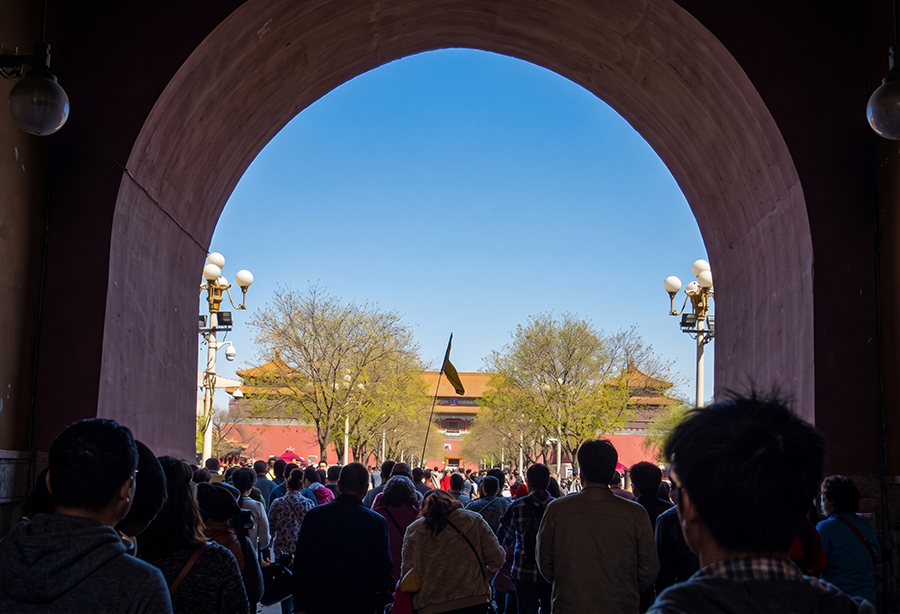
Officially, such stories remain part of folklore. Yet they continue to enrich the mystique surrounding one of the world’s most remarkable architectural treasures.
Why Haunted Places Fascinate Us
What is it about haunted places that captures the imagination? Perhaps these destinations provide a unique bridge between history and mystery. They remind us that every building, temple, fortress, or mansion has witnessed countless human dramas, moments of joy and tragedy, triumph and suffering.
Ghost stories may not always be historically verifiable, but they reveal something important about the societies that preserve them. They reflect collective memories, fears, beliefs, and attempts to explain the unexplainable.
For travelers, haunted sites offer more than thrills. They provide opportunities to explore architecture, culture, folklore, and history from a different perspective.
Whether wandering through the silent halls of Balay Negrense, standing among the ancient towers of Angkor Wat, traversing the windswept paths of the Great Wall, or exploring the vast courtyards of the Forbidden City, visitors encounter places where the boundary between fact and legend becomes delightfully blurred.
And perhaps that is why such destinations continue to attract us. Long after the builders, rulers, servants, and inhabitants have disappeared, their stories remain. In some places, local legends insist, their spirits remain as well.
Whether one believes in ghosts or not, there is something undeniably compelling about standing where history whispers its oldest secrets and wondering if we are truly alone.—###








Leave a Reply