

As Undas brings memories of loss to the surface, a look at what grief does to the body
By Marie Barrientos-Regala
Q: Totoo bang puwedeng mamatay sa sobrang lungkot? Is “broken heart syndrome” real?
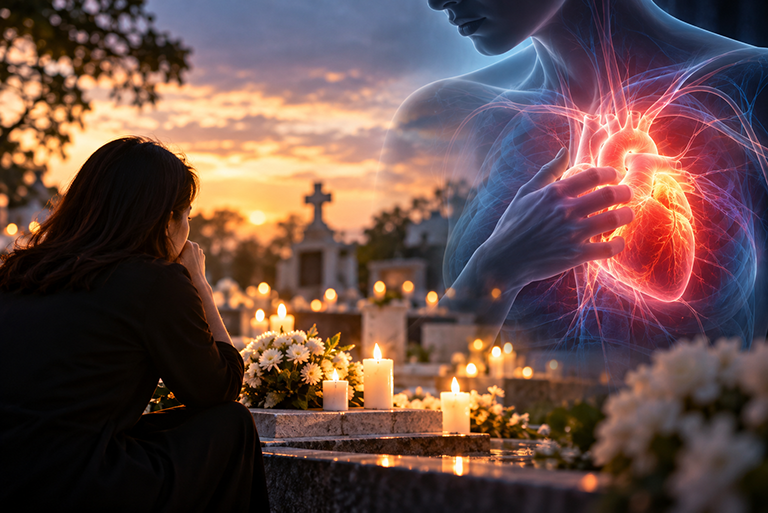
A: Yes, it is real, though it is rarely fatal. Doctors call it takotsubo cardiomyopathy or stress cardiomyopathy. It happens when an intense emotional or physical stress — the death of a loved one, a terrible shock, even sudden overwhelming news — causes a surge of stress hormones that temporarily stuns the heart muscle. Part of the heart balloons out and stops pumping well. The name comes from the Japanese word for an octopus trap, which the heart’s shape resembles on imaging.
Q: What does it feel like?
A: It feels very much like a heart attack: sudden chest pain, shortness of breath, sometimes fainting. The ECG and blood tests may look like a heart attack too. The difference is that the heart arteries are not blocked. Only tests at the hospital can tell the two apart, so anyone with these symptoms should go to the emergency room immediately.
Q: Who gets it?
A: About nine in ten patients are women, most of them past menopause. It can happen to men and younger people too.
Q: Do people recover?
A: Most do. The heart muscle usually recovers within days to weeks with supportive treatment. But in the acute phase, it can cause serious complications like heart failure or dangerous rhythms, so hospital care matters. A small number of people have it more than once.
Q: Besides broken heart syndrome, does grief affect the heart in other ways?
A: It can. A well-known study published in Circulation in 2012 found that the risk of a heart attack was about 21 times higher than usual in the 24 hours after learning of the death of someone close, and remained elevated for several days. Grief disrupts sleep, appetite and routines. People forget their medicines. They stop exercising. Over time, prolonged stress can raise blood pressure and blood sugar.
Q: Paano po maaalagaan ang sarili habang nagdadalamhati?
A: A few practical steps help:
• Keep taking your maintenance medicines, even when life feels upside down. Ask a family member to remind you.
• Try to eat regular meals and get some sleep, even if it’s not much.
• Take short walks. Gentle movement helps both body and mind.
• Let people help. Accept the casserole, the phone call, the offer to drive.
• Talk about the person you lost. Grief shared is easier to carry.
• Seek help if grief feels unbearable, lasts many months without easing, or makes daily life impossible. A doctor, counselor or priest can help.
• Never ignore chest pain or breathlessness, especially in the days after a loss. Go to the hospital.
For families during Undas: Watch out for older relatives who are grieving a recent loss. Make sure they have taken their medicines, are eating and drinking, and aren’t overexerting themselves in the heat.







Leave a Reply