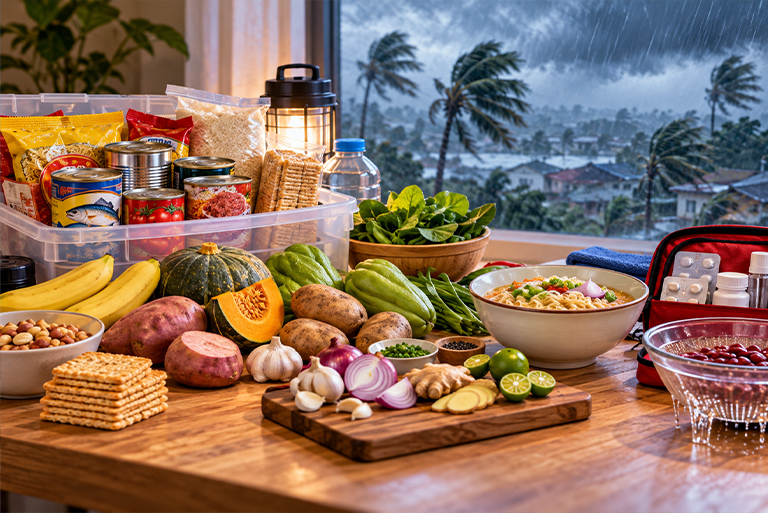

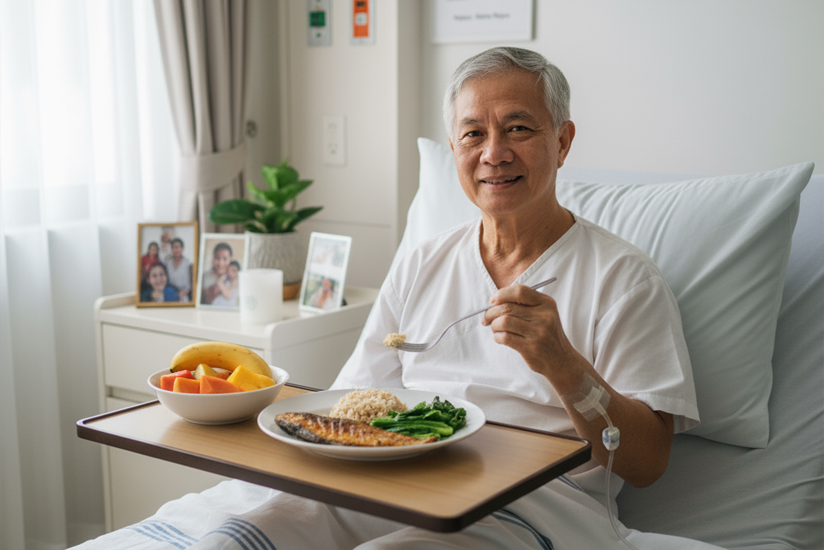
New AHA findings underline a simple truth: recovery begins at the dinner table
A new American Heart Association report reveals that heart-failure patients recover better when they have consistent access to healthy food — not just dietary advice. For Filipino patients, where food insecurity, high sodium diets, and uneven access to dietitians remain major barriers, the findings point to a powerful yet practical opportunity to improve outcomes.
By Dr. Rafael R. Castillo
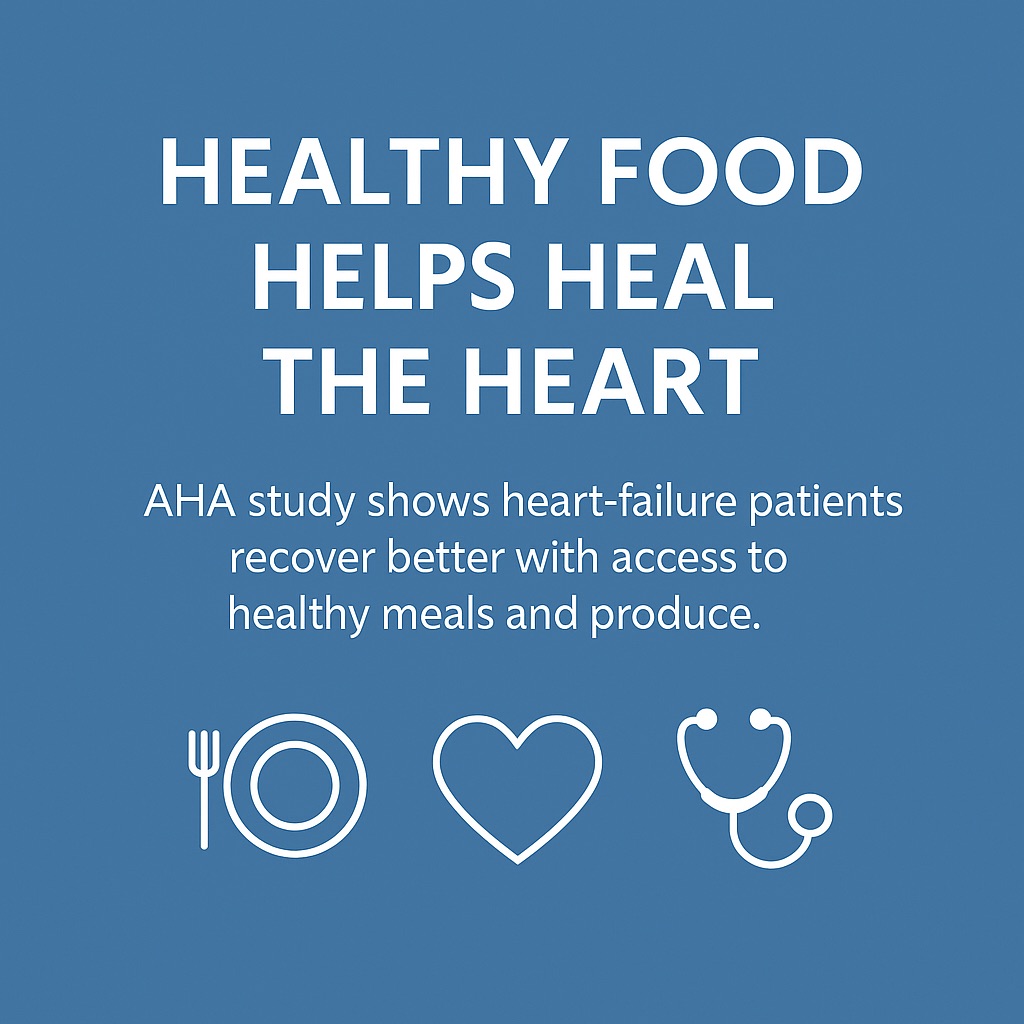
Food as Medicine — Now Backed by Evidence
A study presented at the American Heart Association (AHA) Scientific Sessions 2025 found that adults recently hospitalized for heart failure reported significantly better quality of life when they received medically-tailored meals or fresh-produce boxes combined with dietary counselling.
The study followed 150 adults discharged within the past two weeks from hospitals in Dallas, many from underserved communities — a demographic not unlike the complex reality faced by many Filipino patients.
Participants were divided into three groups:
- Prepared healthy meals + dietitian counselling
- Fresh-produce boxes + counselling
- Counselling alone
After 90 days, both food-delivery groups showed substantial improvements in symptoms, daily functioning, and overall quality of life, compared with the counselling-only group.
As lead investigator Dr. Ambarish Pandey remarked:“Healthy food can be as powerful as medicine for people with chronic conditions like heart failure.”
Why This Matters for the Philippines

Heart failure remains one of the top causes of hospitalization and readmission in the Philippines. But beyond medical gaps, one silent factor often determines recovery: the Filipino household’s access to heart-friendly foods.
The Philippine reality:
- Many patients return home to high-salt canned goods and instant meals because they are cheap and accessible.
- Dietitian support in many local hospitals is limited, and outpatient counselling is uncommon.
- Urban poor households often lack access to fresh vegetables and fruits.
- Family caregivers juggle work, caregiving, and meal prep, making adherence to low-sodium, high-nutrition diets difficult.
As Dr. Marie Barrientos-Regala, cardiologist at the Manila Doctors Hospital, often emphasizes in her clinical practice: “Heart failure doesn’t go home alone — it goes home with the Filipino family. Food is a major part of their burden and their recovery.”
Quality of Life Improved — Even Without Changes in Readmission
While the AHA study did not show significant differences in hospital readmissions within 90 days, the patient-reported outcomes — the lived experience of breathlessness, fatigue, daily functioning, and emotional well-being — improved notably.
For Filipino patients, this improvement is not trivial.
Better quality of life means:
- Lower stress hormones

- Better adherence to medication
- More energy for rehabilitation exercises
- Fewer dietary “cheat days”
- Reduced caregiver strain
- Improved mental health
- Less anxiety about recurring hospitalization
These invisible wins often mark the difference between stabilizing and deteriorating.
Could This Work in the Philippines? Absolutely — With Adaptation
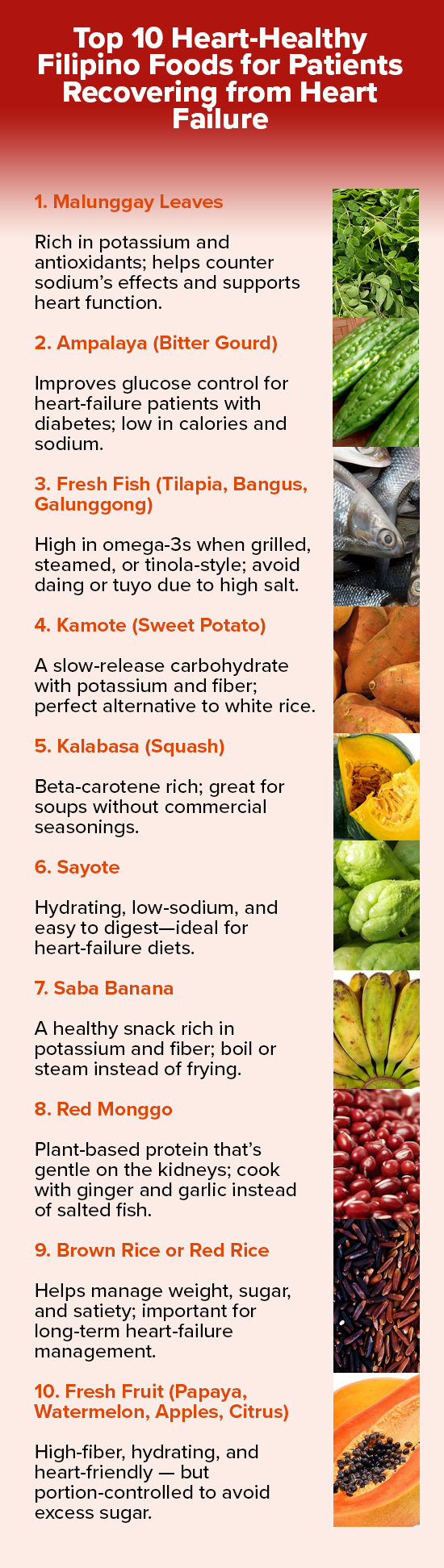
1. Barangay-based produce boxes
Local governments can partner with agricultural cooperatives to deliver weekly low-sodium vegetable bundles to heart-failure patients, possibly subsidized through PhilHealth’s Konsulta program.
2. Medically-tailored meals through community kitchens
Churches, civic groups, and NGOs already run feeding programs. With minimal adjustments, they can provide post-discharge heart-friendly meals for vulnerable seniors or indigent patients.
3. Digital counselling through telehealth
With 80+ million Filipino smartphone users, dietitian sessions can be delivered via video or voice teleconsults, reducing cost and transportation barriers.
4. Hospital discharge bundles
Hospitals can integrate:
- A 2–3-day starter meal kit,
- A low-sodium seasoning pack, and
- A simple Filipino heart-failure cookbook into their discharge planning for HF patients.
5. Partnering with private sector
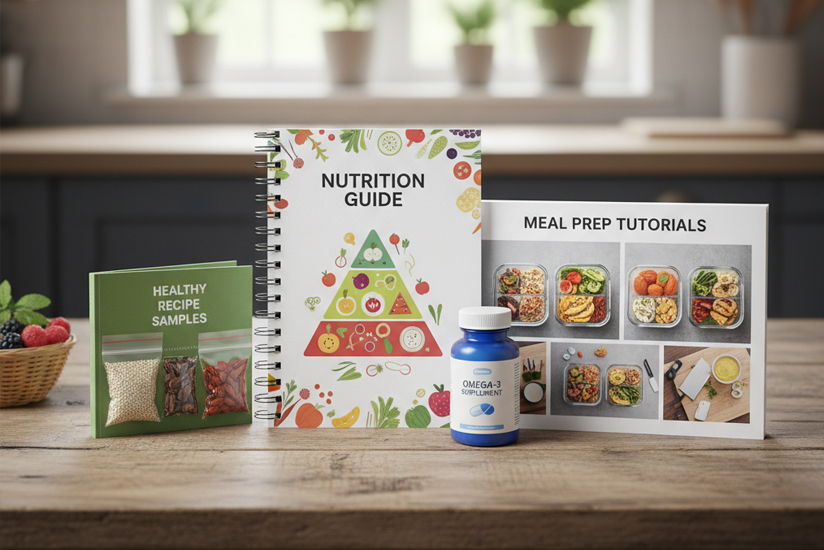
Supermarkets, nutraceutical companies, and health-education providers can collaborate on healthy heart-recovery kits that combine:
- Nutrition guides
- Sample ingredients
- Meal-prep tutorials
- Omega-3/heart-friendly supplements
What Caregivers Should Know
Filipino families are the backbone of heart-failure care. For caregivers, the findings offer reassurance: small, consistent changes in food availability can create meaningful improvements.
Helpful practices include:
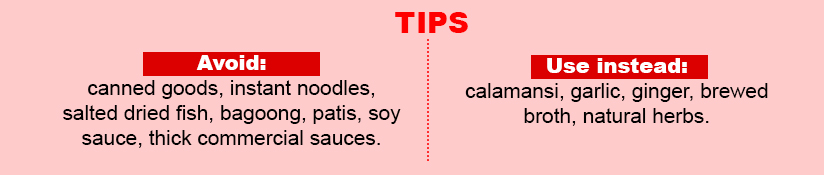
- Preparing low-sodium homemade broths instead of instant soups
- Using fresh herbs (luya, bawang, sibuyas dahon) instead of commercial seasonings
- Choosing unprocessed meats and fresh fish
- Learning simple 15-minute heart-healthy recipes
- Monitoring hidden sodium in sauces and condiments
- Encouraging hydration and portion control
A Call to Action for Policymakers and Hospitals
This study reinforces a message long known in public health: you cannot treat heart failure with medications alone if the patient is surrounded by unhealthy options at home.
Integrating “food as medicine” programs could:
- Reduce hospital burden
- Improve functional recovery
- Support vulnerable senior Filipinos
- Enhance long-term adherence to therapies
AHA’s upcoming phase-3 trial involving more than 1,200 patients may offer stronger evidence. But even now, the direction is clear: every hospital, LGU, and health-provider network should begin exploring food-access interventions as part of the heart-failure care continuum.
“Heart-failure recovery doesn’t start with a prescription — it begins with what’s on the Filipino table.”