
Every hot season, my clinic tells me the weather before PAGASA does.
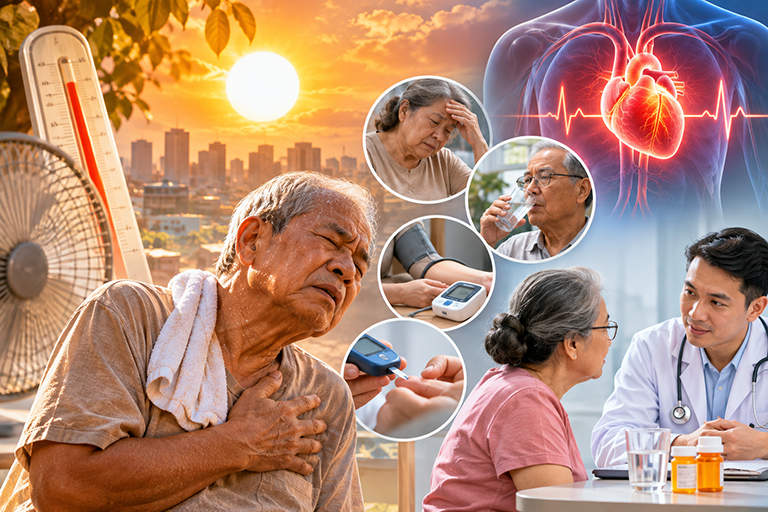
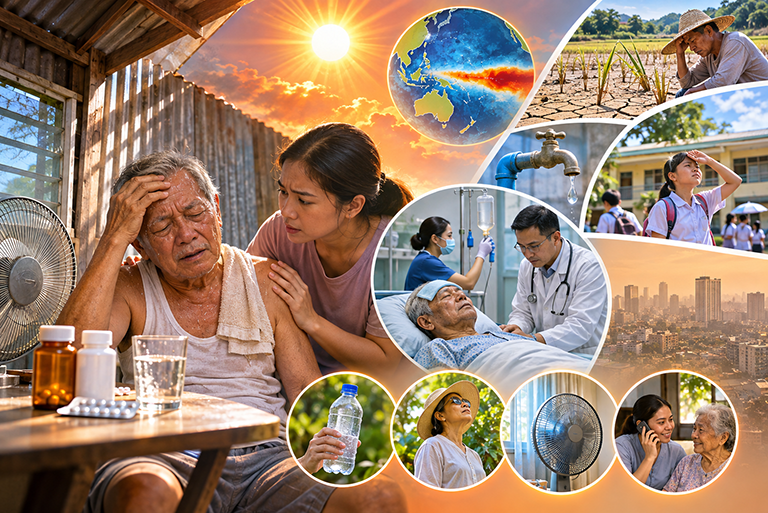
Patients who were stable for months come in dizzy, their blood pressure suddenly low. An elderly man on a water pill arrives with his kidney numbers up. A woman with heart failure says she has been “drinking less so I won’t swell,” and now she can barely stand. A diabetic patient’s sugar swings wildly because she has been skipping meals in the heat. None of them think of the heat as the cause. Most of them think it is their heart, or their age, or bad luck.
But much of it is the weather.
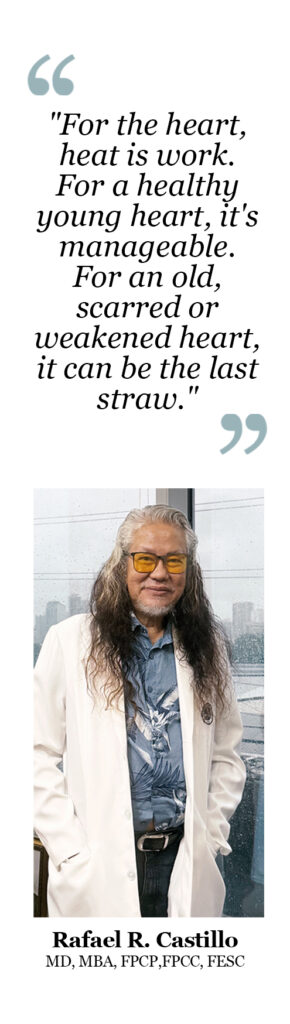
We tend to think of heat as a matter of comfort. It is uncomfortable, yes. We complain, we fan ourselves, we buy halo-halo. But for the heart, heat is work. To cool the body, the heart must pump more blood to the skin. Sweating drains water and salt, so blood volume falls and blood thickens. Blood pressure can drop. The heart beats faster. For a healthy young heart, this is manageable. For an old, scarred or weakened heart, it can be the last straw.
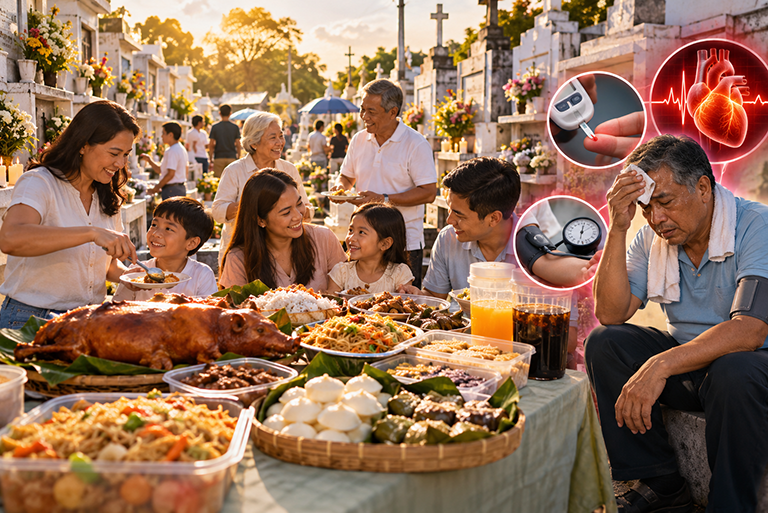
That’s why heat waves around the world bring more heart attacks, more strokes and more deaths among people with chronic illness. Many of those deaths are never counted as heat deaths. They are recorded as cardiac arrest, or stroke, or kidney failure, and the role of the weather is forgotten.
This El Niño will test our hearts, literally. And so I want to say a few things directly to my fellow patients with heart disease, high blood pressure and diabetes, and to the families who care for them.
Don’t stop your medicines because of the heat. If you feel dizzy or weak, call your doctor; there may be a need to adjust a dose, but that decision should be made together.
If you have heart failure and have been told to limit fluids, ask your doctor what to do on very hot days. Don’t guess.
Drink water before you are thirsty. Thirst comes late, especially as we age.
Keep cool during the hottest hours. Use the fan. Find a cooler room. If you can afford a few hours of air conditioning, those hours may be worth more than you think.
And to families: call your parents. Every day, when it’s hot. Ask if they’ve had water, if they’ve eaten, if they feel all right. Listen for confusion in their voice. That phone call may be the most effective heart medicine they get this season.
El Niño is a climate event, but its casualties are human hearts. With some care and attention, most of them can be spared.







Leave a Reply