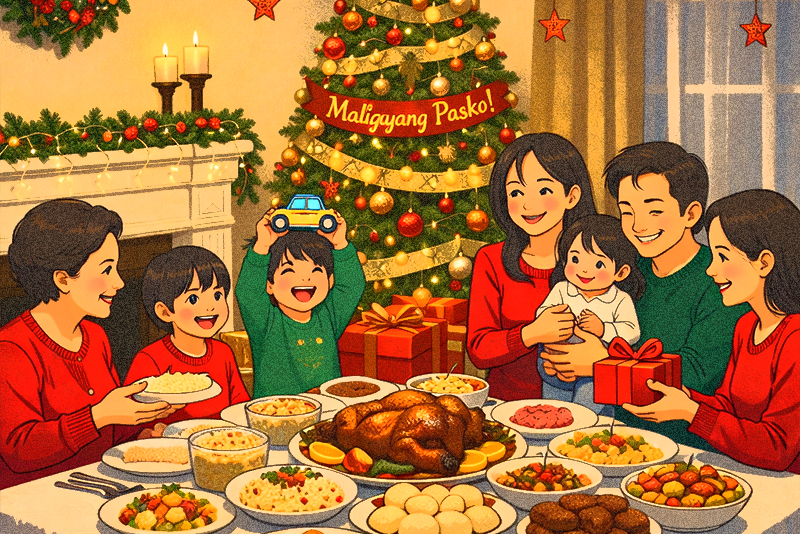
The holiday season is a time for family reunions, endless Noche Buena feasts, non-stop office parties, and joyful, sometimes excessive, celebration. But alongside the cheer comes a hidden risk we should all be aware of.
By Rafael R. Castillo, MD
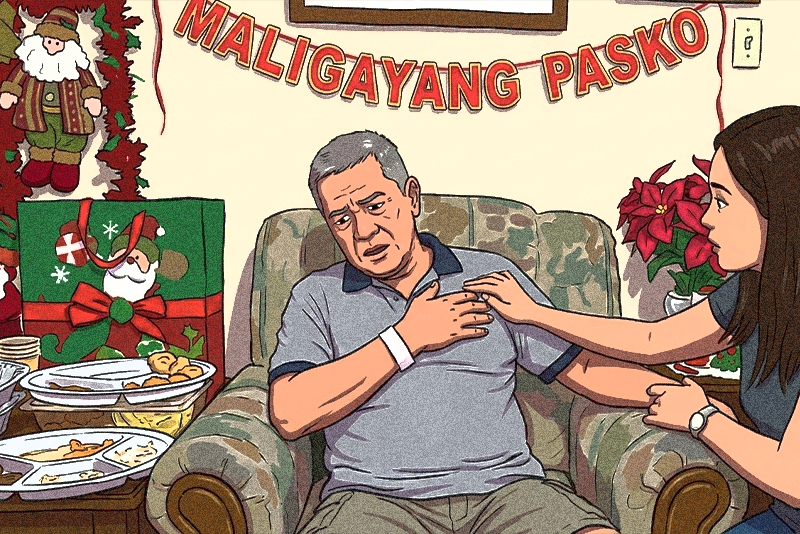
Together with the festive celebration and cheer that go with the holiday celebration is a hidden risk: Holiday Heart Syndrome (HHS), an irregular heart rhythm (arrhythmia), most commonly atrial fibrillation (AFib), often triggered by acute excesses of alcohol, stress, and rich food. For Filipinos who celebrate with gusto, recognizing and preventing HHS is key to keeping the heart truly merry.
The Silent Threat: Understanding Holiday Heart Syndrome
Holiday Heart Syndrome is a term used to describe an episode of heart rhythm disturbance, typically AFib, occurring in people without underlying structural heart disease. While it usually resolves on its own, AFib increases the risk of stroke and other cardiovascular complications, making prevention paramount.
In the Philippines, the triggers are amplified by the cultural context:

- High Alcohol Consumption: The tagay (social round of drinking) culture, especially around hard liquor like ginebra or excessive beer, is a major trigger. Alcohol is a known cardiac toxin that can disrupt the heart’s electrical signals. Studies show that ethanol, the alcohol component, can directly irritate the heart muscle cells (myocytes) and interfere with the heart’s natural pacemaker (the sinoatrial node). This electrical interference is what precipitates the chaotic rhythm of AFib.
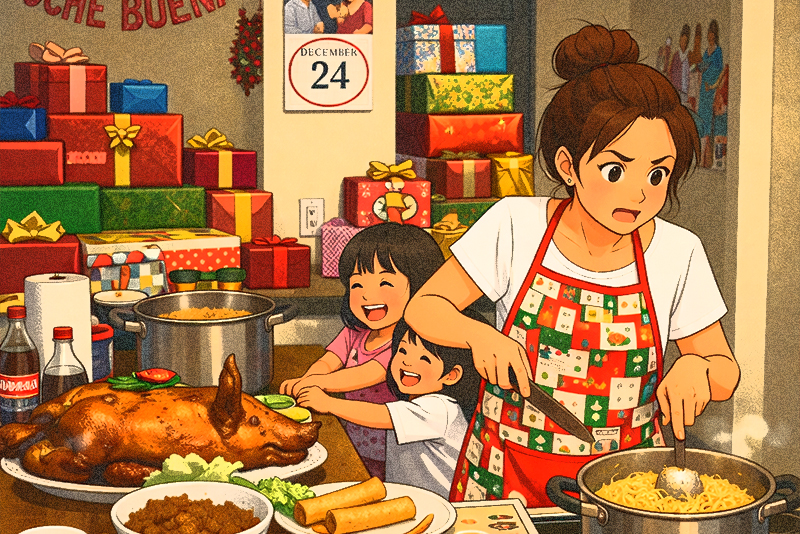
- The Feast Frenzy: Traditional dishes are often rich in sodium, fat, and sugar—from lechon and hamon to pasta dishes and the sweet, dense fruitcake. This heavy load can lead to dehydration and electrolyte imbalance, both AFib culprits. The immense sodium load, in particular, causes fluid retention and puts extra pressure on the circulatory system, stressing the heart walls.
- Stress and Fatigue: The pressure of Christmas shopping, traveling to provinces (balikbayan stress), hosting multiple parties, and simply enduring the holiday rush contributes to overall cardiac strain. Heightened stress releases catecholamines (like adrenaline), which can directly trigger heart palpitations and arrhythmias.
Expanded Strategies to Prevent HHS in the Philippine Setting
Preventing HHS in the Philippine setting requires small, mindful adjustments to deeply rooted cultural practices, focusing on diet, hydration, social habits, and stress management.
1. Rethink the Tagay Tradition (Mindful Alcohol Consumption)

Alcohol is perhaps the single most potent trigger for HHS. Instead of participating in every round of shots, practice “smart tagay.”
- Pace Yourself and Hydrate: For every alcoholic drink, follow it up with a full glass of water. This helps manage the cardiotoxic effects and prevents dehydration, which itself is a major electrolyte disruptor.
- Set Personal Limits: Before the event, decide on a maximum number of drinks (e.g., one or two standard drinks). Opt for lower-alcohol beverages like light beer or wine spritzers. Politely declining a shot with a simple, honest “Tama na, busog na ako” (That’s enough, I’m already full) or stating you are driving is a well-accepted social practice.
- Avoid the Chaser: Mixing energy drinks, which are high in caffeine and sugar, with alcohol drastically increases cardiac stimulation and stress, making an episode of AFib more likely.
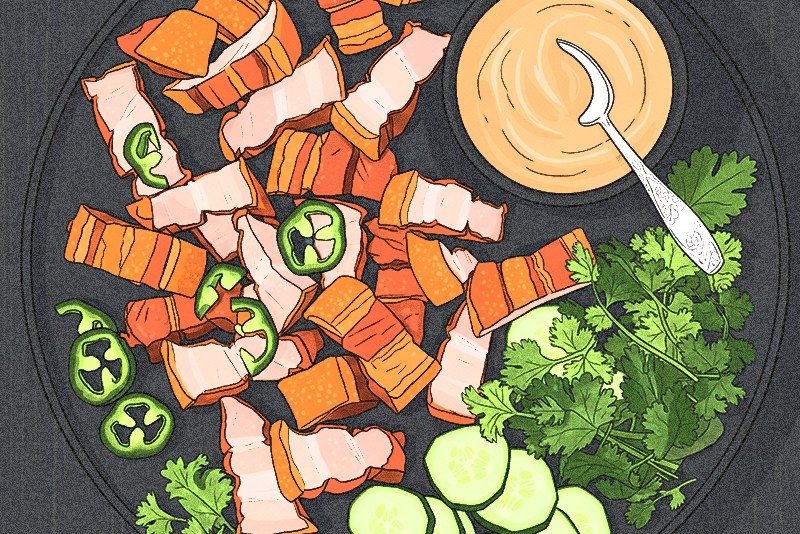
2. Master the Christmas Plate (Dietary Sodium and Fat Control)
Filipino Christmas food is delicious but often sodium and fat-heavy. The goal is balance, not deprivation.
- The Sawsawan Strategy: The sawsawan (dipping sauce) is often the saltiest component. Use vinegar or a squeeze of calamansi to season your main dishes instead of excessive soy sauce or salt. If using soy sauce, dilute it significantly with water.
- Prioritize Gulayan (Vegetables): Make a conscious effort to balance the lechon and ham with servings of fiber and potassium-rich dishes like pinakbet, chop suey, or ensalada. Potassium is crucial for counteracting the effects of sodium by regulating blood pressure.
- Mind the Sweets: Traditional desserts like bibingka, puto bumbong, and rich fruitcakes are high in refined sugars, which can lead to inflammation and metabolic stress. Enjoy them in small, controlled portions.
3. The Importance of Electrolyte Balance and Hydration
Dehydration and electrolyte imbalance are often overlooked triggers of HHS, especially in the tropical Philippine climate.
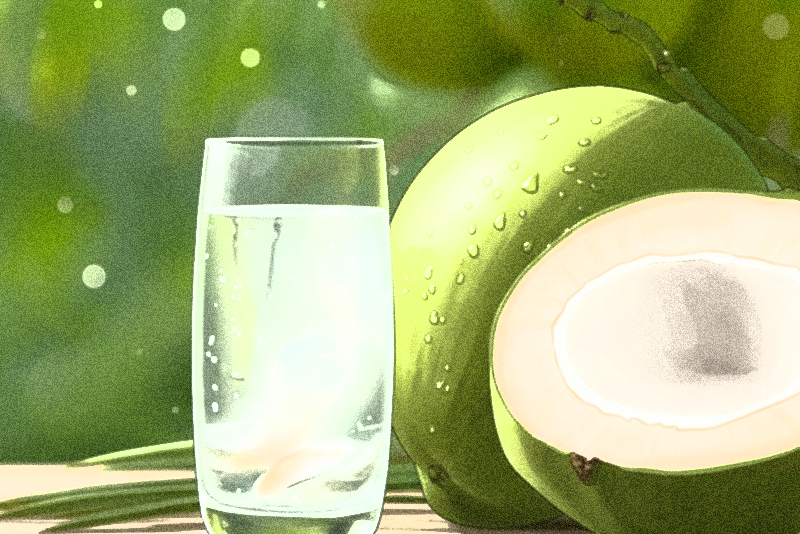
- Drink Smartly: Drink plain water or buko juice (coconut water) consistently throughout the day. Avoid excessive sweetened soda and fruit juices, which contribute high sugar loads.
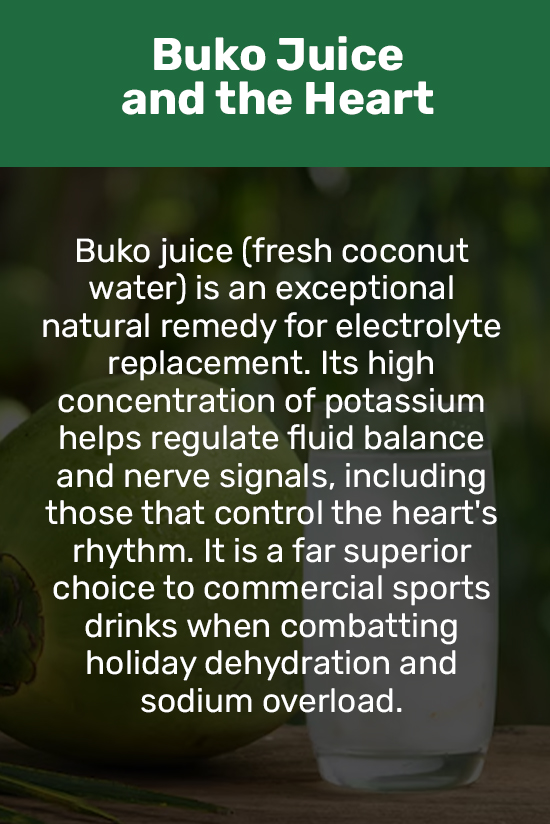
- Buko Juice Power: Buko juice is an excellent, naturally occurring source of potassium, a vital electrolyte that plays a crucial role in maintaining a stable heart rhythm and counteracting the effects of high sodium intake.
4. Schedule “Stress-Free” Breaks and Prioritize Sleep
The holiday emotional toll can manifest physically. Managing stress is managing your heart rhythm.

- Guard Your Sleep: Aim for 7-9 hours of quality sleep, even if it means missing the last round of karaoke. Chronic sleep deprivation elevates cortisol (the stress hormone), which can induce cardiac events.
- Mindful Moments: Schedule short “me time” breaks, away from the noise and social pressure. This could be a 15-minute meditation, reading a book, or simply enjoying the quiet. Balikbayan guests, in particular, should prioritize rest upon arrival to mitigate travel-related fatigue.
5. Continue Your Wellness Routine and Know the Warning Signs

Adherence to personal wellness is non-negotiable, even during the holidays.
- Exercise Adherence: Don’t let the holidays derail your exercise. Suggest family activities like a group walk after a heavy meal. Even 30 minutes of light physical activity a day helps maintain blood pressure and cardiovascular fitness.
- Medication Adherence: If you have pre-existing conditions like hypertension, diabetes, or known AFib, do not miss your daily medication. Set a recurring reminder to ensure you take your maintenance meds consistently.
- Know the Symptoms: Be aware of the signs of an impending arrhythmia: palpitations (a sudden, rapid, or fluttering sensation), shortness of breath, dizziness, or chest discomfort. If these symptoms are persistent, severe, or accompanied by fainting, seek immediate medical attention.
Conclusion
The Philippine Christmas is a time of incredible joy, but protecting your heart is the best gift you can give yourself and your loved ones. By making culturally sensitive, heart-smart choices—pacing your alcohol, moderating your lechon, staying hydrated with water or buko juice, and managing holiday fatigue—you can ensure your holiday celebrations are filled with lasting memories, not emergency room visits. Have a truly Maligayang Pasko (Merry Christmas) and a heart-healthy New Year!
References
- Mendelson, C. E. (1978). “Holiday Heart”: an electrophysiologic phenomenon. Journal of the American College of Cardiology, 10(6), 1361–1366. (Pioneer work coining the term).
- Ton, K. H., et al. (2018). Alcohol-attributable burden of atrial fibrillation: a systematic review and meta-analysis. International Journal of Cardiology, 254, 141–146. (Relates alcohol use directly to AFib risk).
- Lakkireddy, D., et al. (2018). Low-to-moderate alcohol consumption and incidence of atrial fibrillation. Journal of the American College of Cardiology, 71(13), 1334–1343. (Discusses dose-dependent risk of alcohol).
- Philippine Heart Association (PHA) Guidelines. (2020). Consensus Guidelines on the Management of Hypertension. (General guidelines stressing sodium control relevant to rich Pinoy cuisine).
- Tse, H. F., et al. (2015). Importance of hydration and electrolyte balance in the prevention of cardiovascular diseases. Circulation, 131(10), e398–e400. (Highlights the role of electrolytes like potassium).
“For Filipinos, the combination of rich, salty Christmas food, the tagay drinking tradition, and high-stakes family gatherings creates a perfect storm for Holiday Heart Syndrome. Moderation isn’t just a suggestion; it’s a life-saver.”