
The Philippines is one of the most climate-vulnerable nations on Earth. But that vulnerability can become our greatest strength if we seize the green energy opportunity.
By Rafael R. Castillo, MD
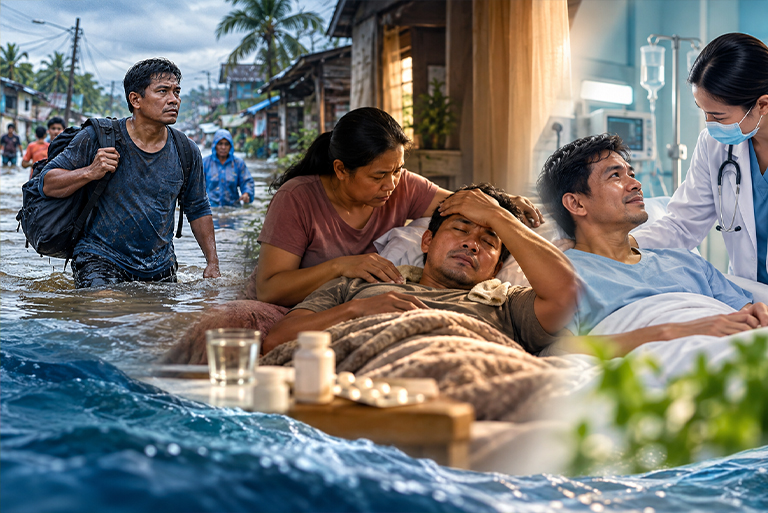
Every year, Filipinos brace for typhoons. We watch seas creep closer to our shores, droughts threaten our farms, and heat waves stretch our health systems. The Philippines has been called “ground zero” for climate change — and for good reason. We rank among the most climate-vulnerable nations in the world.
At first glance, this seems like a curse. But it can also be a catalyst. If we choose wisely, the Philippines could emerge as a regional leader in renewable energy, climate resilience, and green jobs. In other words, the very storms that batter us could power our rise.
A Crisis and an Opportunity
Our current energy mix tells the story of a missed chance. Despite abundant sunshine, steady winds, and flowing rivers, we remain dependent on imported coal and oil. This makes us vulnerable to price shocks, energy insecurity, and pollution that worsens climate change.
Globally, the race to decarbonize is on. China and the United States are pouring trillions into renewables, while ASEAN neighbors like Vietnam and Indonesia are scaling up solar and wind. The Philippines cannot afford to be left behind.
But here’s the hopeful angle: we don’t have to play catch-up forever. With the right policies, we can leapfrog directly into the future.
The Case for Philippine Leadership
1. Abundant Natural Resources
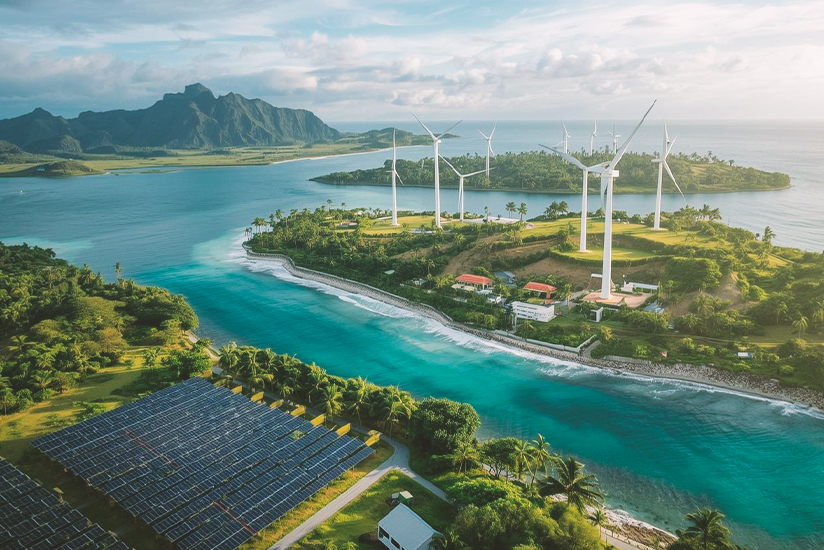
We are blessed with year-round sunlight, strong coastal winds, geothermal hot spots, and hydro potential. Unlike others, we don’t need to import sunlight or wind. Our islands are natural laboratories for renewable energy innovation.
2. A Young, Skilled Workforce
Filipinos are adaptable, creative, and technically capable. With the right training, our workforce can build, maintain, and innovate in renewable systems. This is not just an environmental project but a jobs project.
3. A Global Imperative
International investors are shifting portfolios toward green energy. Financing, technology, and partnerships are available for countries ready to commit. The Philippines can ride this wave of capital, positioning itself as ASEAN’s renewable hub.
What Needs to Change
If we are to lead, we must act on several fronts:
- Policy Certainty: Investors hesitate when rules shift. We need clear, long-term renewable energy targets backed by enforceable laws.
- Infrastructure First: Transmission lines and smart grids must be built to carry renewable power from far-flung islands to urban centers.
- Local Innovation: Universities and startups should be incentivized to develop affordable solar kits, microgrids, and battery storage systems suited for island communities.
- Community Ownership: Renewable projects should not just benefit large companies. Cooperatives and local governments can own solar farms and mini-hydros, giving people both power and income.
Lessons from Abroad
Vietnam, once an energy laggard, became Southeast Asia’s solar champion almost overnight by offering clear feed-in tariffs and regulatory support. Costa Rica runs nearly 100% on renewables, thanks to a mix of hydro, wind, and geothermal. If they can do it, why not us?
The Philippines, with its archipelagic geography, can even pioneer solutions in microgrids and decentralized energy — innovations that other island nations could follow.
Why This Matters
Renewables are not just about electricity. They are about sovereignty and survival. By reducing dependence on imported coal and oil, we strengthen our economy. By cutting pollution, we improve public health. By building resilient power systems, we protect communities from climate shocks.
And yes — by creating green jobs, we give young Filipinos a reason to stay and build their future here, instead of abroad.
A Closing Word
The Philippines has long been described as a “victim” of climate change. But victims need not remain powerless. Our geography, once seen as a liability, can be our greatest advantage.
Imagine a Philippines where every island runs on its own renewable microgrid, where cities are powered by solar and wind, where young engineers and entrepreneurs build the technologies of the future.
We don’t have to wait for others to act. The storms are coming anyway. Let us harness the wind, capture the sun, and prove that even in an age of rising seas, the Philippines can rise higher still.
(This article was originally published in CoverStory.ph)