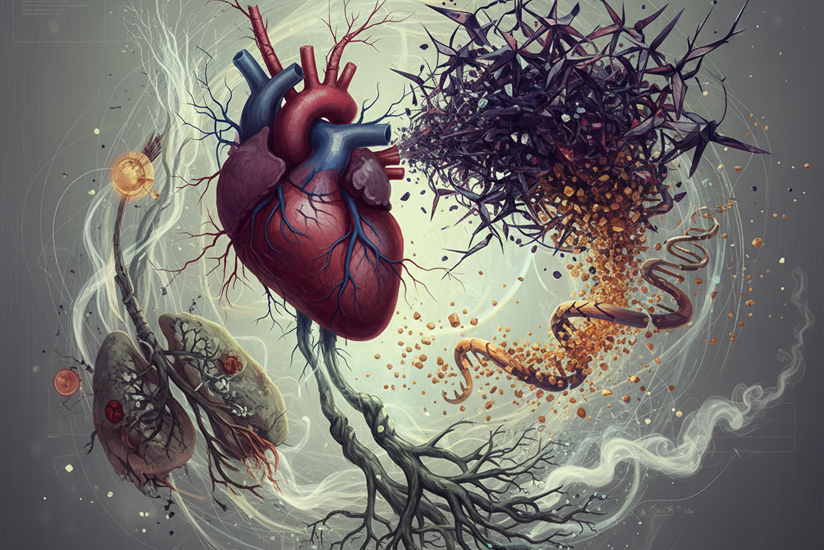
Noncommunicable diseases (NCDs) such as heart disease, cancer, diabetes, and chronic lung conditions now cause more deaths than all infectious diseases combined. Their rise is not inevitable — it reflects the choices we make as individuals, communities, and nations. The fight against NCDs begins not in hospitals, but in how we live, work, and care for one another.
By Dr. Rafael R. Castillo
They are called “noncommunicable,” but in truth, they have spread faster than any virus. Noncommunicable diseases — heart disease, stroke, cancer, chronic respiratory disease, and diabetes — now account for 74% of all global deaths, according to the World Health Organization (WHO). In the Philippines, NCDs claim an estimated 400,000 lives every year, representing nearly seven out of ten deaths. Behind every statistic is a family forever changed, a community quietly grieving, and a healthcare system under enormous strain.
The rise of NCDs marks a profound shift in global health. For much of the last century, our greatest battles were against infectious diseases — tuberculosis, malaria, polio, HIV/AIDS. Today, it’s lifestyle-related illnesses that claim the most lives, not only in wealthy countries but increasingly in low- and middle-income nations like ours. As life expectancy improves, we find ourselves living long enough to die from what we eat, breathe, and neglect.
A Changing World, A Changing Threat
What fuels this modern epidemic? The answer lies in how we live. The globalized, fast-paced world has made daily life more convenient but less healthy. Urbanization, sedentary work, processed diets, stress, and pollution create the perfect storm for disease.
Across the Philippines, NCDs now affect people at younger ages. Once considered illnesses of the affluent or elderly, diabetes and hypertension are increasingly diagnosed in people in their 30s and 40s — even younger. The 2019 Expanded National Nutrition Survey found that nearly one in four Filipino adults is hypertensive, one in five is overweight or obese, and one in ten has diabetes or elevated blood sugar levels.
The factors are interconnected:
- Unhealthy diet – High consumption of processed foods, sugary beverages, and fast food, coupled with low intake of fruits, vegetables, and whole grains.
- Physical inactivity – The shift from active lifestyles to desk jobs, screen time, and transport dependence.
- Tobacco and alcohol use – Despite progress in tobacco control, smoking and binge drinking remain common, particularly among men.
- Environmental stressors – Pollution, noise, and overcrowding increase chronic stress and inflammation, amplifying disease risks.
- Socioeconomic inequality – Healthier choices often cost more. Limited access to nutritious food, safe parks, or quality healthcare widens the gap.
The Philippine Context: A Triple Burden
The Philippines now faces a triple burden of disease — lingering infections like tuberculosis, emerging threats like COVID-19, and the unrelenting rise of NCDs. Hospitals designed for acute care are struggling to manage chronic conditions that require lifelong treatment and lifestyle change.
Dr. Teodoro Herbosa, Secretary of Health, recently emphasized that “our healthcare system must evolve from curative to preventive.” Yet prevention demands more than medical programs — it requires political will, public awareness, and cultural change.
The economic cost is staggering. NCDs not only drain families’ finances through long-term medication and hospitalization, but also reduce productivity and national income. The WHO estimates that NCDs could cost low- and middle-income countries over $7 trillion in lost economic output by 2030 if unchecked.
From Awareness to Action: What We Can Do
The battle against NCDs is winnable — but it demands a shift from reactive to proactive living. The responsibility is shared by individuals, communities, industries, and government.
1. Empower Individuals
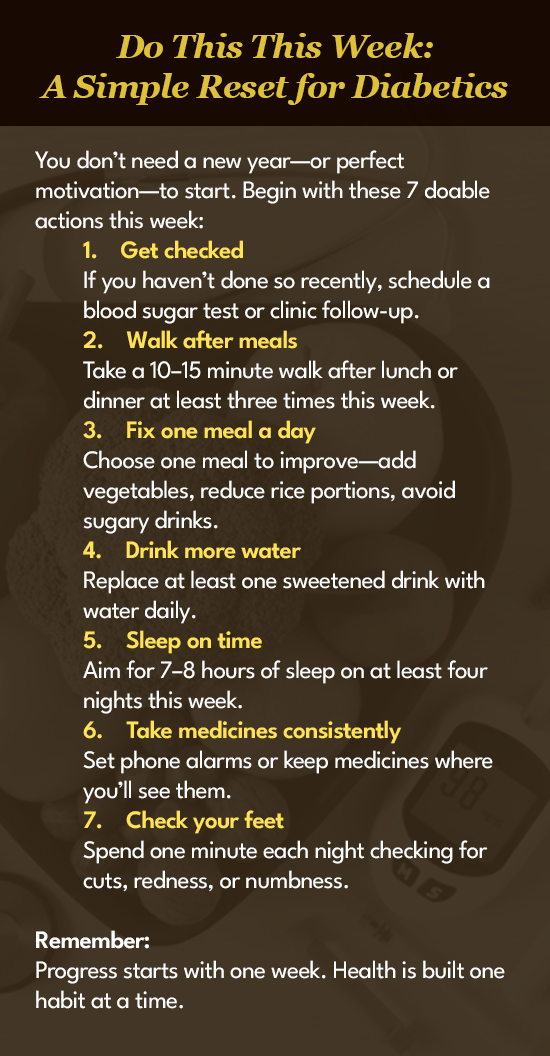
Health begins with awareness and action. Small, consistent changes can transform risk into resilience.
- Eat more whole, plant-based foods.
- Move your body at least 30 minutes daily — walk, dance, stretch.
- Avoid smoking and excessive alcohol.
- Manage stress through rest, prayer, or mindfulness.
- Get regular medical checkups to detect problems early.
2. Strengthen Communities
Local initiatives make prevention accessible. Barangay-based health screenings, community exercise programs, and nutrition education can build a culture of wellness. Schools can reinforce lifelong habits through healthy canteens, physical education, and anti-smoking campaigns.
3. Regulate and Reform
Government plays a crucial role. The sin tax laws on tobacco and sugary drinks are steps in the right direction, but stronger implementation is needed. Urban design that promotes walking and cycling, regulations against misleading food marketing, and air quality standards all contribute to a healthier environment.
4. Engage the Private Sector
Businesses can be partners, not obstacles. Corporate wellness programs, healthier cafeteria options, and support for preventive screenings benefit employees and reduce long-term costs. Food manufacturers must also be accountable for reformulating products to lower salt, sugar, and trans-fat content.
5. Reframe Health as a Shared Value
Ultimately, preventing NCDs is about compassion — for ourselves and others. It’s realizing that good health isn’t a privilege, but a right and a responsibility. When we care for our bodies, we also ease the burden on families, hospitals, and future generations.
A Future Worth Living
The rise of noncommunicable diseases is not a failure of medicine — it’s a failure of modern living. But the good news is, we already know what works. Prevention, early intervention, and sustained education can save millions of lives.
We stand at a turning point: will we continue to normalize illness, or will we choose wellness as a national priority? The answer depends on how seriously we take the small, daily acts that shape our collective future — what we eat, how we move, what we breathe, and what we value.
The fight against NCDs begins not in laboratories or legislative halls, but in every Filipino home, one healthy decision at a time.
References
- World Health Organization (WHO). Noncommunicable diseases. Geneva: World Health Organization; 2023. Available from: https://www.who.int/news-room/fact-sheets/detail/noncommunicable-diseases
- World Health Organization (WHO). Global status report on noncommunicable diseases 2022. Geneva: WHO; 2022. Available from: https://www.who.int/publications/i/item/9789240062888
- Department of Health (Philippines). The Philippine Noncommunicable Diseases Prevention and Control Program. Manila: DOH Health Promotion Bureau; 2023. Available from: https://doh.gov.ph
- Food and Nutrition Research Institute (FNRI-DOST). Expanded National Nutrition Survey 2019: Noncommunicable disease risk factors. Taguig City: FNRI; 2021. Available from: https://www.fnri.dost.gov.ph
- World Bank. The economic burden of noncommunicable diseases in the Philippines. Washington, DC: World Bank; 2022. Available from: https://www.worldbank.org/en/topic/health/publication/ncds-philippines
- Bloom DE, Cafiero ET, Jané-Llopis E, et al. The Global Economic Burden of Noncommunicable Diseases. Geneva: World Economic Forum; 2011. Available from: https://www3.weforum.org/docs/WEF_Harvard_HE_GlobalEconomicBurdenNonCommunicableDiseases_2011.pdf
- World Health Organization (WHO). Philippines: Noncommunicable diseases country profiles 2020. Geneva: WHO; 2020. Available from: https://www.who.int/publications/m/item/ncd-country-profiles-2020
- United Nations Development Programme (UNDP). Addressing the social determinants of noncommunicable diseases in Asia and the Pacific. New York: UNDP; 2021. Available from: https://www.undp.org/publications/ncds-asia-pacific
- World Health Organization (WHO) & Philippine Department of Health. Tobacco Control and Health Promotion in the Philippines: Progress Report 2022. Geneva: WHO; 2022.
- Philippine Statistics Authority (PSA). Causes of death in the Philippines 2023 (Preliminary results). Quezon City: PSA; 2024. Available from: https://psa.gov.ph
- Herbosa T. The Philippine strategy against NCDs: From awareness to prevention. Philippine Journal of Internal Medicine. 2023;61(3):134–138.
- World Health Organization (WHO). Best buys and other recommended interventions for the prevention and control of noncommunicable diseases (2017 update). Geneva: WHO; 2017. Available from: https://www.who.int/publications/i/item/WHO-NMH-NVI-17.9