
By Dr. Tony Leachon
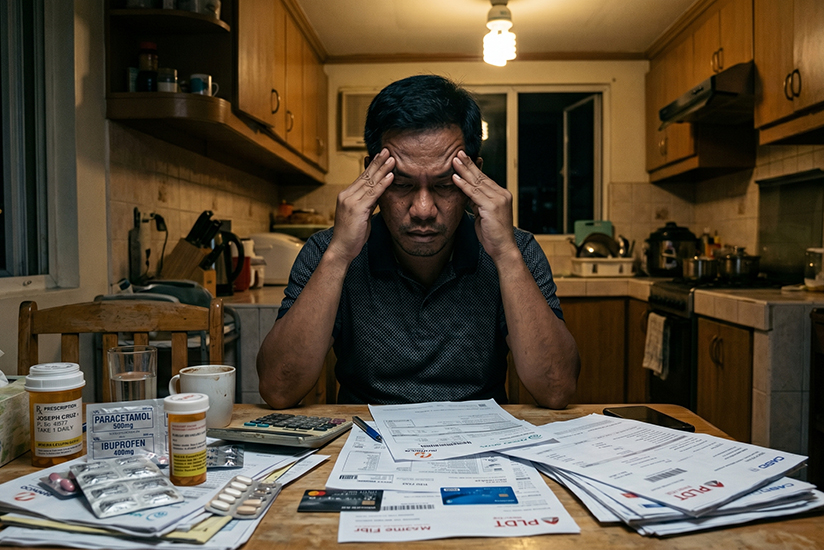
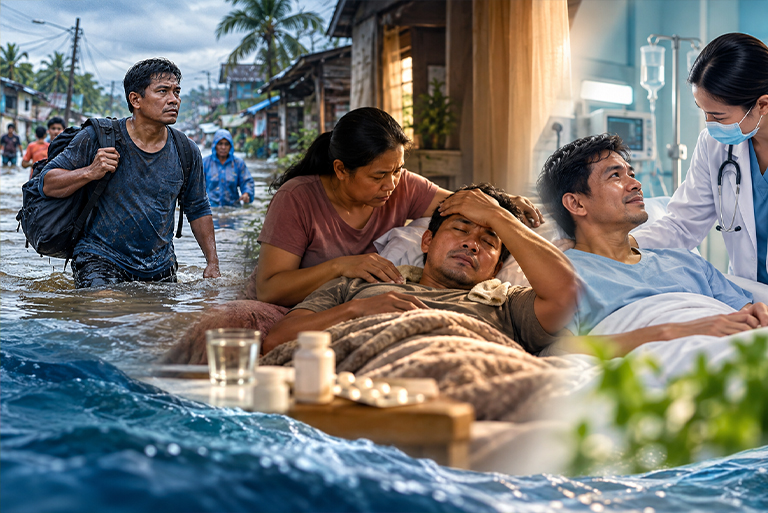
The middle class—long considered the backbone of our economy—is increasingly becoming the “new poor.” Stagnant incomes, rising costs, and heavy tax burdens are eroding their financial security, leaving families vulnerable to poverty despite their vital role in sustaining the nation.
They shoulder most of the nation’s taxes, pay out-of-pocket for healthcare and education, and face housing and daily expenses that grow faster than their earnings. One catastrophic illness—cancer, heart disease, or stroke—is enough to wipe out savings and push them into debt.
Key Pressures on the Middle Class
1. Stagnant Incomes vs. Rising Costs – GDP growth slowed to around 3%, while inflation in food, transport, housing, and utilities outpaces salary growth.
2. Heavy Tax Burden – Middle-class families contribute the largest share of taxes, unlike the poorest (who benefit from subsidies) or the richest (who shield wealth through assets).
3. Healthcare Costs – Out-of-pocket medical expenses now account for nearly 50% of total health spending. Chronic illnesses consume resources, with 250,000 high-cost patients generating ₱14 billion in reimbursements—20% of PhilHealth’s inpatient payouts. Yet families still pay directly for treatment.
4. Education Pressures – Tuition fees and school-related costs remain high, with limited scholarship aid for middle-income families.
5. Housing and Daily Living – Urban housing prices and rents have surged, while commuting, utilities, and food consume disproportionate shares of income.
6. Weak Social Safety Nets – Government subsidies target the poorest, leaving the middle class excluded and exposed to financial shocks.
Why This Matters
The middle class represents 40–45% of Filipino families. They are the tax base, workforce, and stabilizer of society. If they slide into poverty, the state loses revenue, productivity, and social cohesion. Protecting them is not charity—it is nation-building.
What Must Be Done
- Increase PhilHealth case rates for the top ten killer diseases to at least ₱500,000 each, based on actuarial analysis.
- Strengthen preventive and primary care through early screening and community-based interventions.
- Abolish MAIFIP, a patronage-driven program that weakens PhilHealth and undermines the Universal Health Care Act. Redirect funds to PhilHealth, the sole payor mandated by law.
- Settle government arrears amounting to ₱407 billion from sin taxes, PAGCOR revenues, unconstitutional transfers, and withheld subsidies.
- Simplify processes by eliminating bureaucratic guarantee letters and ensuring programs like Yakap are executed with clarity, speed, and proper funding.
Conclusion
The middle class is squeezed from both ends: too rich to qualify for subsidies, too poor to afford rising costs without debt or sacrifice. Without reforms in healthcare financing, taxation, education, and housing, many will continue to fall into poverty, destabilizing the nation’s backbone.
We demand accountability, transparency, and justice. Health care is not a privilege—it is a right. The Filipino people deserve a system that shields them from financial ruin, not one that abandons them in their most vulnerable moments.
This is our moral duty. This is our collective responsibility. And together, we will not stop until every Filipino family—especially the middle class—is protected from the crushing weight of out-of-pocket costs.
– Dr. Tony Leachon