
When physicians encounter a patient with fever, we understand that the elevated temperature is not the disease itself. Fever is a warning sign. It tells us that something deeper is happening beneath the surface.
In many ways, our planet is now exhibiting a similar symptom.
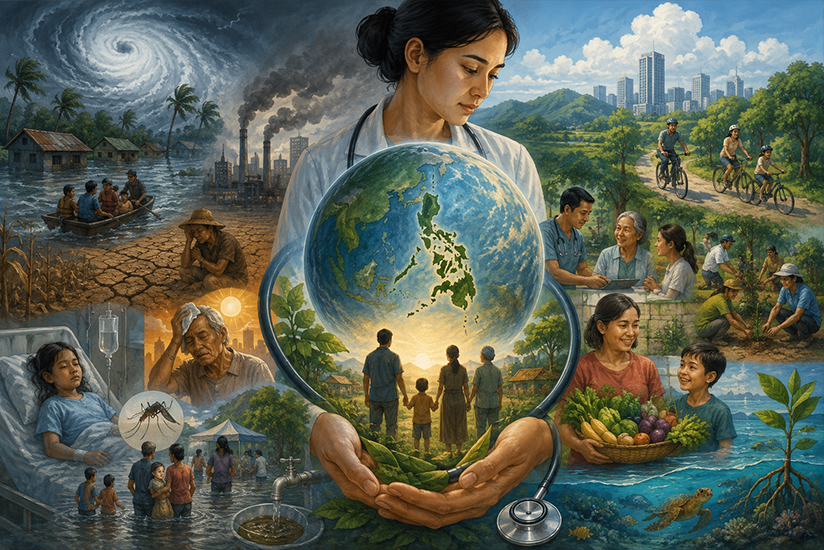
The past decade has seen record-breaking temperatures, increasingly powerful typhoons, prolonged droughts, devastating floods, worsening air pollution, and shifting patterns of infectious disease. While climate scientists measure these changes in degrees Celsius and atmospheric carbon levels, healthcare professionals increasingly see them reflected in emergency rooms, clinics, and communities.
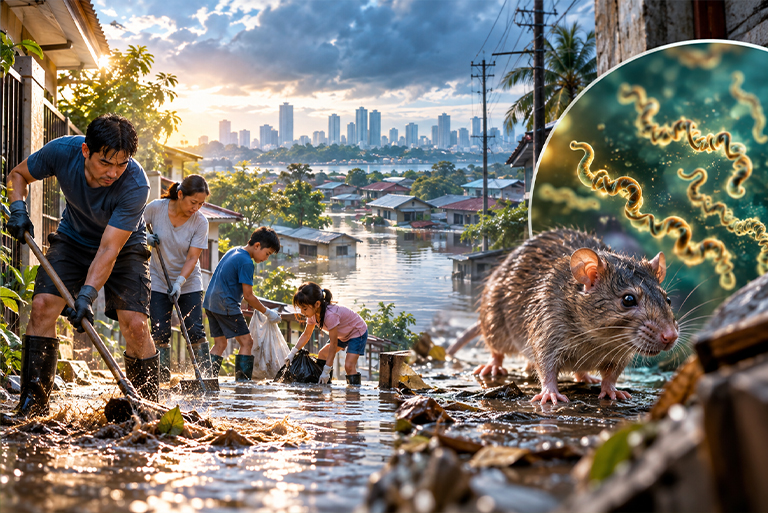
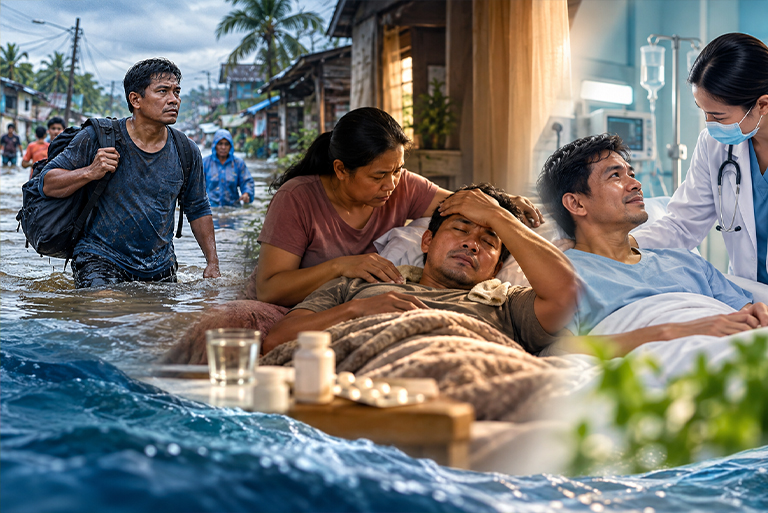
A child hospitalized with severe dengue after heavy rains. An elderly patient suffering heat stroke during an intense heat wave. Families displaced by flooding and exposed to contaminated water. Patients with asthma struggling through days of poor air quality.
These are not isolated events. They are manifestations of a larger environmental reality that increasingly influences human health.
Climate change is often framed as an environmental issue. Yet for physicians, it has become a public health issue. It affects infectious diseases, respiratory illnesses, cardiovascular conditions, nutrition, mental health, and access to healthcare itself.
The Philippines occupies a unique position in this conversation. Our nation contributes relatively little to global greenhouse gas emissions compared with major industrialized countries. Yet we remain among the world’s most climate-vulnerable nations. This reality underscores an uncomfortable truth: those least responsible for climate change often suffer its greatest consequences.
The good news is that many climate-health interventions provide immediate benefits. Cleaner air reduces respiratory disease. Greener communities encourage physical activity. Sustainable food systems improve nutrition. Disaster preparedness saves lives long before disasters occur.
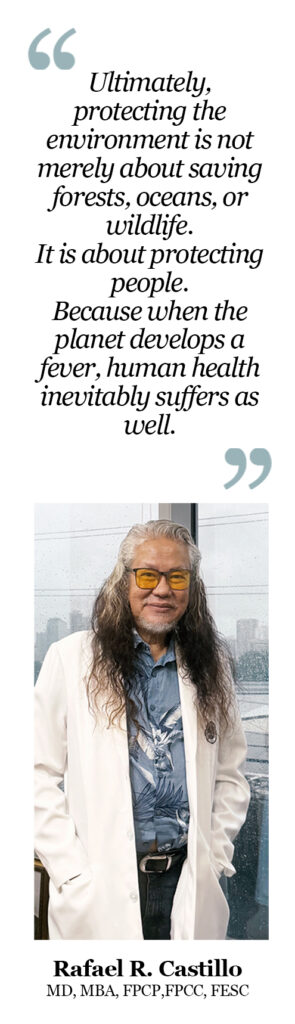
Ultimately, protecting the environment is not merely about saving forests, oceans, or wildlife.
It is about protecting people.
Because when the planet develops a fever, human health inevitably suffers as well.