

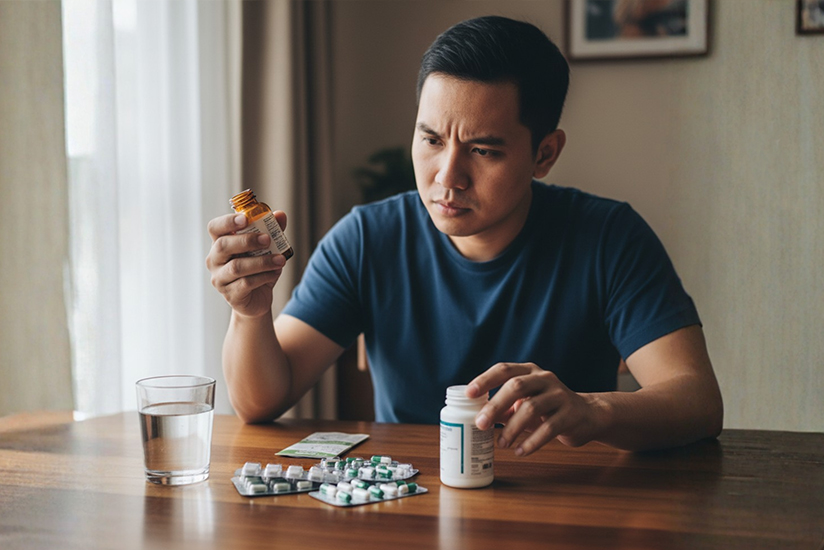
Antibiotics save lives, but using them carelessly can have serious implications. Every unnecessary dose fuels a silent global crisis — antibiotic resistance — that threatens to make once-curable infections deadly again.
By Dr. Rebecca L. Castillo
In clinics and pharmacies across the Philippines, it has become almost routine: a patient comes in with fever, sore throat, or cough, and immediately requests antibiotics. Many believe that any infection — especially one accompanied by fever — must require antibiotics. Some even keep leftover tablets at home, taking them “just in case.”
But here lies a dangerous misconception: most fevers are caused by viruses, not bacteria. Colds, flu, and dengue — some of the most common causes of fever in our country — do not respond to antibiotics. In fact, taking antibiotics for these conditions not only offers no benefit; it can also cause harm.
The Miracle — and the Misuse
When antibiotics were first discovered in the mid-20th century, they transformed medicine. Diseases that once claimed millions of lives — pneumonia, tuberculosis, meningitis, sepsis — suddenly became treatable. They have saved countless lives, and remain among medicine’s most powerful tools.
However, their success has led to complacency and misuse. Many now see antibiotics as harmless cure-alls — a quick fix for anything that feels like an infection. This false security has given rise to a new and growing threat: antimicrobial resistance (AMR).
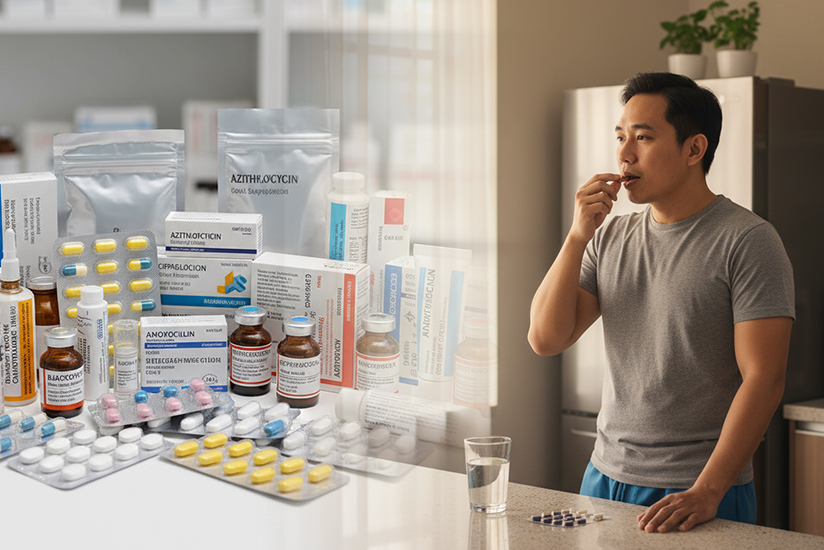
What Happens When We Abuse Antibiotics
Every time we take an antibiotic unnecessarily or stop the prescribed course too early, we give bacteria a chance to adapt. The surviving ones learn to resist the drug, multiplying into stronger, deadlier forms. These resistant bacteria can then spread from person to person, community to community — often silently.
Globally, antimicrobial resistance is now responsible for nearly 5 million deaths a year, according to the Lancet Global Health Report 2023. The World Health Organization warns that without urgent action, routine surgeries, childbirth, and even minor infections could once again become life-threatening.
In the Philippines, resistance to commonly used antibiotics — such as amoxicillin and ciprofloxacin — has already been documented in major hospitals. Some infections now require last-resort drugs that are more expensive, more toxic, and harder to find.
When Antibiotics Work — and When They Don’t
Antibiotics are effective only against bacterial infections. These include pneumonia, urinary tract infections, skin infections, and certain types of tonsillitis or ear infections.
They do not work for:
- Colds, coughs, and sore throats caused by viruses
- Flu and other viral fevers
- Diarrhea due to viral gastroenteritis
- COVID-19 and dengue fever
If you have a fever, it’s best to consult a physician who can assess whether it’s bacterial or viral. In many cases, supportive care — rest, fluids, and fever control — is all you need.
The Role of Doctors and Pharmacists
Healthcare professionals have a critical responsibility to educate patients. Physicians must resist the temptation to prescribe antibiotics “just to be safe,” while pharmacists should avoid dispensing them without valid prescriptions.
Unfortunately, antibiotic misuse often stems from self-medication. Over-the-counter access, leftover pills, and online sellers make antibiotics dangerously easy to obtain. Public education is key: antibiotics are powerful drugs, not vitamins. Taking them “just in case” can do more harm than good.
The Hope Ahead: A Shared Responsibility
The good news is that antibiotic resistance is preventable. Each of us — doctors, patients, policymakers, and communities — has a role to play.
Hospitals can strengthen antibiotic-stewardship programs, ensuring every prescription is justified. Governments must strictly regulate over-the-counter sales and invest in public campaigns on responsible use. Researchers must continue developing new drugs and vaccines, while ordinary citizens must commit to using antibiotics wisely.
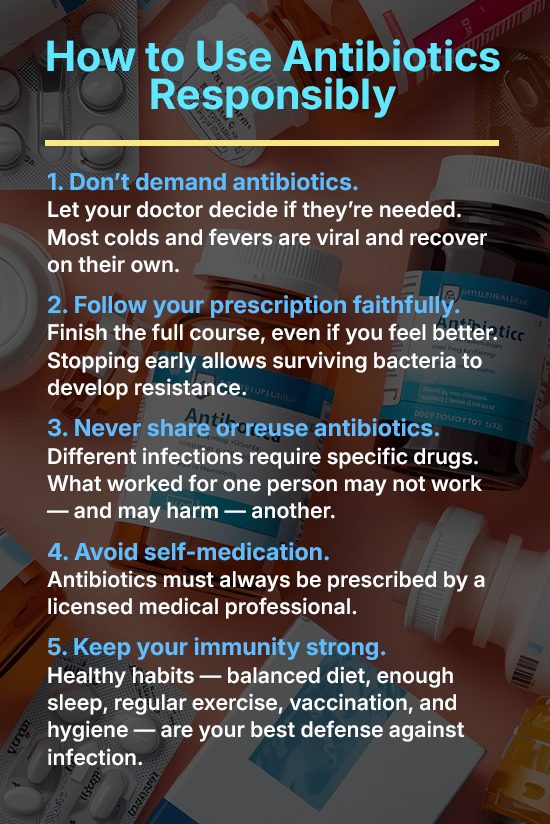
As physicians, we must remind patients that a fever is a symptom, not a diagnosis. It doesn’t always mean infection — and it certainly doesn’t always mean bacteria. Sometimes, the best medicine is patience: giving the body time to fight, the immune system space to recover, and science a chance to work.
Antibiotics remain among the greatest gifts of modern medicine. Let us not squander them through misuse or impatience. Their power, like trust, is fragile — once broken, it may never be fully restored.
So the next time you or a loved one feel feverish and reach for that antibiotic, pause for a moment. Ask your doctor, not the internet. Think before you swallow. Because what you save today may be the very medicine that saves someone’s life tomorrow.
The Hidden Costs of Overuse
Antibiotic misuse doesn’t just breed resistance. It can also cause direct harm to the individual. Common side effects include diarrhea, rashes, nausea, and allergic reactions. More severe cases can lead to life-threatening conditions like anaphylaxis or Clostridium difficile infection, which causes persistent and dangerous diarrhea.
Beyond the physical, there’s an economic cost. Treating drug-resistant infections can be 10 to 20 times more expensive than treating ordinary ones, as patients require stronger antibiotics, longer hospital stays, and more intensive care.
“Every unnecessary antibiotic taken today makes it harder for tomorrow’s medicine to work.”