

By Rebecca L. Castillo, MD
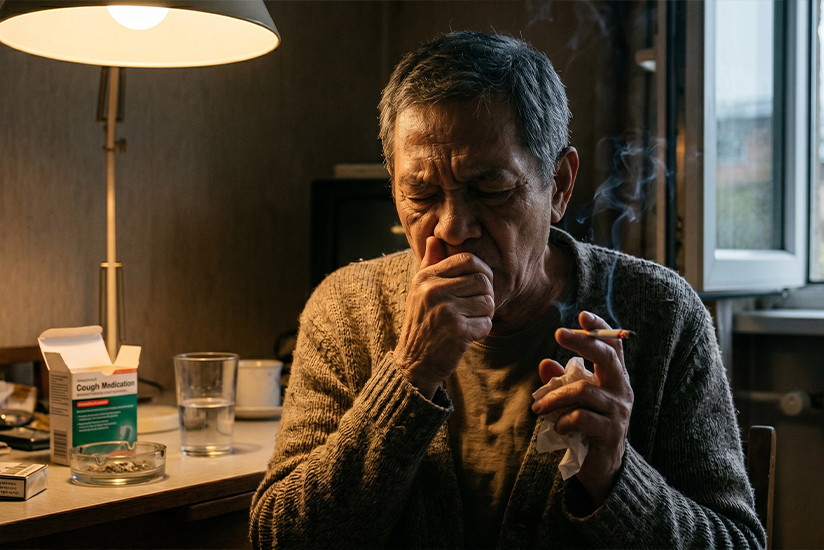
There is a quiet irony in cigarette smoking that often escapes attention: while many smokers reach for a cigarette to “relax” or cope with stress, each puff steadily weakens the very system meant to protect them—the immune system.
It is not just about cancer, heart disease, or stroke. Smoking quietly dismantles the body’s natural defenses, leaving smokers more vulnerable to everyday infections that most people would otherwise fight off with ease.
A Defense System Under Siege
The human immune system is a finely tuned network—our body’s internal army. It relies on physical barriers like the skin and the lining of the respiratory tract, as well as specialized cells that identify and destroy invading microbes.
Cigarette smoke disrupts this system at multiple levels.
First, it damages the respiratory epithelium, the delicate lining of the airways. Under normal conditions, tiny hair-like structures called cilia sweep out mucus, dust, bacteria, and viruses. Smoking paralyzes and eventually destroys these cilia. The result? Harmful particles remain trapped in the lungs, creating a fertile ground for infection.
Second, smoking impairs immune cells themselves. Macrophages, the body’s frontline defenders, become less efficient at engulfing pathogens. Neutrophils, another key player, are altered in both number and function—sometimes overly abundant but paradoxically less effective. The immune response becomes disorganized: too weak to eliminate infection, yet sometimes overly inflammatory, causing additional tissue damage.
Third, cigarette smoke induces chronic inflammation. This persistent inflammatory state exhausts the immune system, much like a constantly revving engine that eventually burns out. Over time, the body becomes less capable of mounting a strong, targeted response when real threats arise.
Why Smokers Get Sick More Often
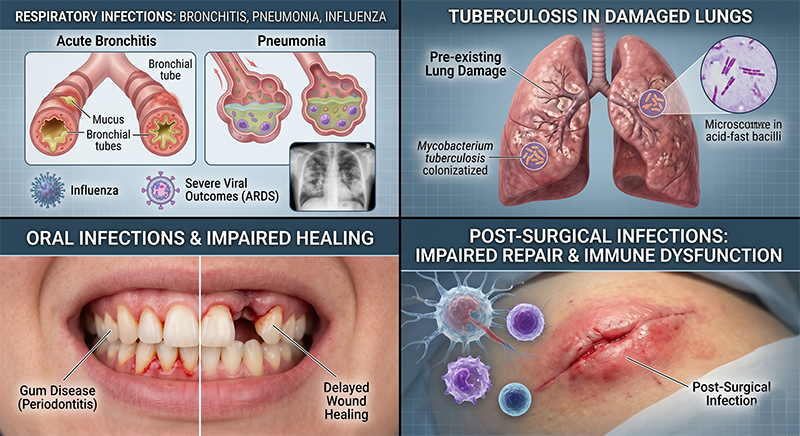
Because of these changes, smokers are significantly more susceptible to infections such as:
- Respiratory infections: bronchitis, pneumonia, influenza, and even more severe outcomes from viral illnesses
- Tuberculosis, which finds a more hospitable environment in damaged lungs
- Oral infections, including gum disease and delayed wound healing
- Post-surgical infections, due to impaired tissue repair and immune dysfunction
Even common colds tend to last longer and feel more severe.
In clinical settings, this pattern is unmistakable. Smokers not only get sick more often—they take longer to recover.
The Turning Point: What Happens When You Quit
Here is the encouraging truth: the body has a remarkable capacity to heal.
The moment a person stops smoking, recovery begins.
Within days, carbon monoxide levels drop, allowing oxygen delivery to improve. Within weeks, the cilia in the airways begin to recover, slowly regaining their ability to clear mucus and pathogens. Coughing may temporarily increase—not as a sign of worsening, but of healing, as the lungs start to clean themselves.
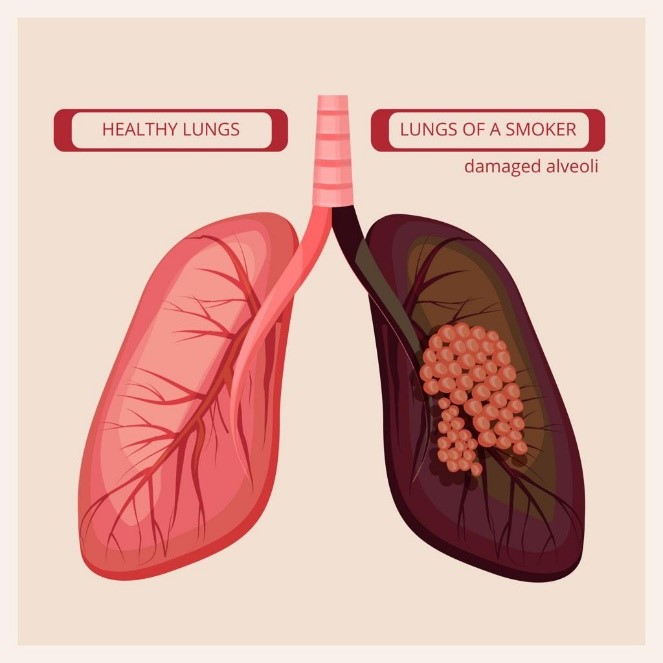
Over months, immune function improves. Inflammation decreases. The risk of respiratory infections begins to fall. Former smokers often notice that they get sick less frequently, recover faster, and breathe more easily.
There is also a subtle but profound shift in energy. Without the constant burden of toxins, the body reallocates its resources—from damage control to restoration.
It’s Never Too Late
A common misconception is that the damage from smoking is irreversible. While some effects do persist, quitting at any age brings measurable benefits.
Even individuals who stop later in life experience:
- Fewer infections
- Better response to vaccines
- Improved wound healing
- Enhanced overall resilience
The immune system, though battered, is not beyond repair.
A Gentle but Urgent Reminder
Smoking does not just harm in dramatic, headline-making ways. It erodes quietly—day by day, cell by cell—weakening the body’s ability to defend itself.
But the narrative does not have to end there.
Every cigarette not smoked is a small act of restoration. Every day without smoking is a step toward a stronger, more resilient body.
The immune system is waiting—not just to protect, but to recover.
And perhaps the most hopeful truth of all:
it is never too late to quit.