By Dr. Tony Leachon
Introduction
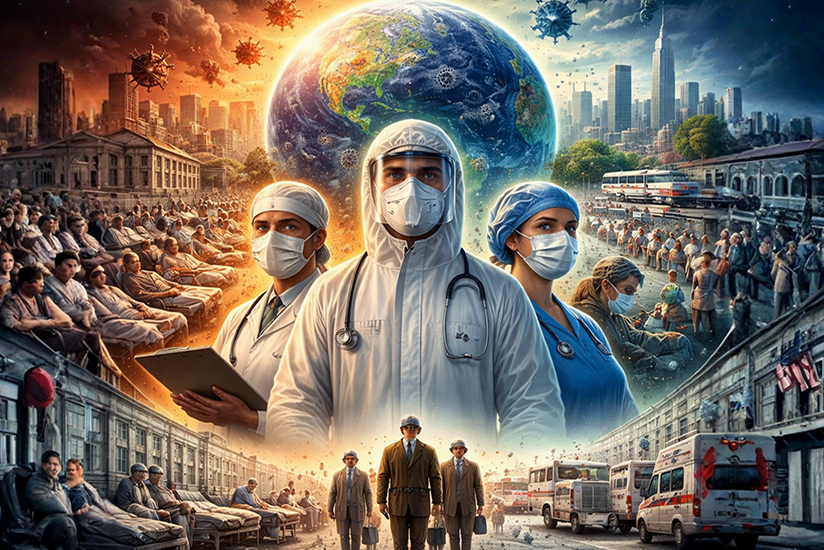
Pandemics have always been more than medical events; they are stress tests of civilization itself. The Spanish Flu of 1918 struck a world already scarred by war, magnifying grief and instability that echoed for decades. A century later, COVID-19 exposed the fragility of modern systems—supply chains, governance, and trust in institutions—while deepening inequalities and fueling geopolitical rivalries.
Today, as tensions escalate between the United States, Israel, and Iran, we are reminded that health crises do not create wars, but they amplify fractures, accelerate mistrust, and leave societies vulnerable to opportunistic conflict. In this fragile peace, the true antidotes are not weapons or rhetoric, but resilience, humility, and moral clarity—values that must guide both public health and global leadership if we are to prevent history from repeating itself.
The Spanish Flu and the Shadow of War
The Spanish Flu pandemic coincided with the closing years of World War I. It did not cause the war, but it compounded its devastation. Soldiers weakened by illness, economies drained by both conflict and disease, and populations traumatized by loss created fertile ground for instability. The interwar years saw the rise of radical ideologies, economic collapse, and eventually World War II. The lesson is clear: pandemics magnify existing fractures, accelerating the decline of fragile systems rather than creating new conflicts outright.
World War II: Catastrophe and Cure
If the Spanish Flu magnified the wounds of World War I, then World War II revealed how unresolved grievances and unchecked ambition could ignite catastrophe on a global scale. Yet amid devastation, science offered hope. Alexander Fleming’s discovery of penicillin, mass-produced during the war, saved countless soldiers and ushered in the antibiotic era.
The paradox of World War II is that while it exposed humanity’s capacity for destruction, it also accelerated innovations that reshaped civilization. Penicillin stands as proof that progress can emerge from crisis, offering not only medical salvation but also a lesson in humility: the true victories of war are not territorial gains, but the preservation of human life.
COVID-19 and the Fractured Modern World
COVID-19 was not followed by a world war, but it fractured the global landscape:
• Economic strain: Supply chains collapsed, inflation surged, and debt mounted.
• Social unrest: Inequalities widened, trust in institutions eroded, and populism gained ground.
• Geopolitical rivalry: The pandemic accelerated mistrust between major powers, particularly the U.S., China, and Russia.
Technology advanced at unprecedented speed—vaccines developed in under a year, digital platforms reshaping communication and commerce—but political will lagged behind. Instead of strengthening global health cooperation, the United States withdrew from the World Health Organization, dismantled USAID’s health programs, and weakened the CDC’s global reach. The appointment of Robert F. Kennedy Jr., with his unorthodox style and controversial views, further reflected the fragility of health governance in a polarized era.
Why Pandemics and Wars Feel Linked
The apparent link between pandemics and wars lies in shared drivers:
• Economic exhaustion weakens states.
• Social unrest fuels radical politics.
• Power vacuums invite opportunistic aggression.
Pandemics do not ignite wars, but they act as accelerants—exposing weaknesses and magnifying crises already smoldering beneath the surface.
From Penicillin to COVID-19 Vaccines: Innovation as Antidote
Just as penicillin transformed medicine in the 20th century, COVID-19 vaccines became the defining breakthrough of our time. Developed at unprecedented speed, they embodied the principle that science, when guided by collaboration and moral urgency, can turn the tide of crisis.
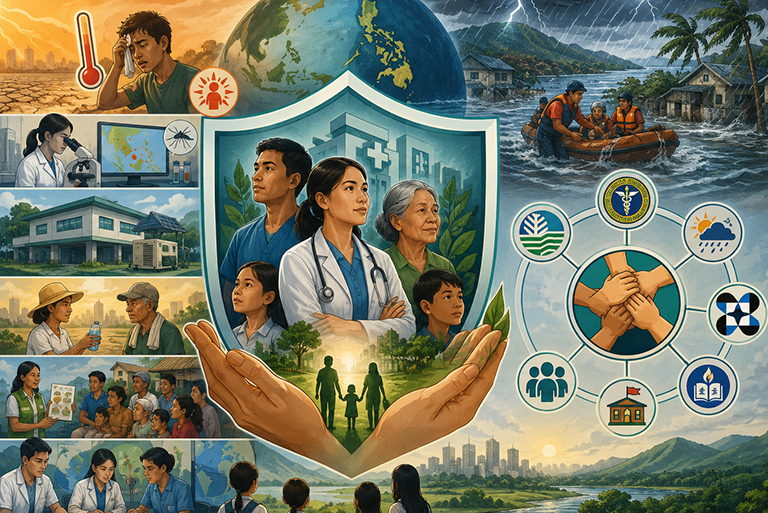
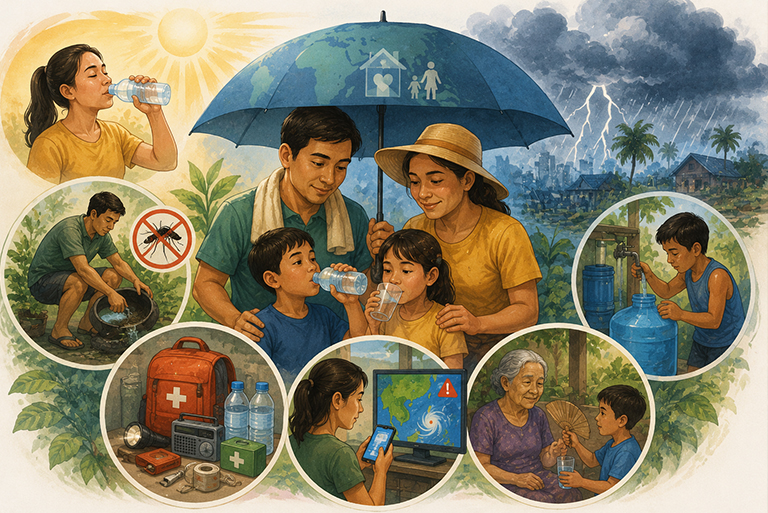
Yet vaccines alone could not repair fractured institutions. The weakening of global health leadership—through political withdrawal, dismantling of aid structures, and erosion of trust—reminds us that resilience is built not only in laboratories, but also in governance, communities, and the collective will to protect life.
The Current Escalation: Fragile Peace at Risk
Today’s U.S.–Israel–Iran tensions illustrate this dynamic. The pandemic left societies fatigued, economies strained, and trust in global institutions diminished. In such an environment, even localized conflicts risk spiraling into broader confrontations. Unlike 1918, the world now possesses nuclear weapons and unprecedented interdependence. Escalation is both more dangerous and more carefully managed—but the margin for error is thin.
Conclusion: The Antidotes to Chaos
History teaches us that pandemics test the resilience of civilizations. They do not dictate war, but they reveal whether societies are anchored in values strong enough to withstand instability. The Spanish Flu magnified the wounds of World War I; World War II magnified the dangers of unresolved grievances but also accelerated medical breakthroughs; COVID-19 magnifies the fractures of a divided modern world while reminding us of the power of innovation.
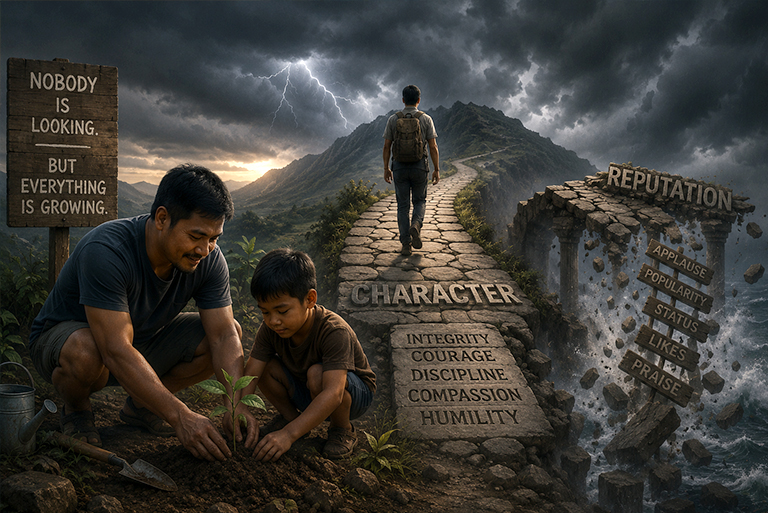
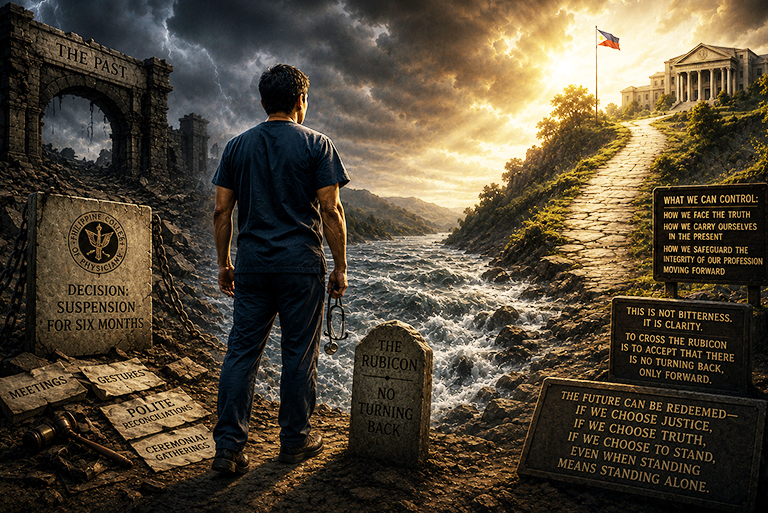
If we are to prevent history from repeating itself, the antidotes must be moral as much as medical: resilience in institutions, humility in leadership, and clarity in values. These are the true vaccines against chaos. In the fragile peace of our time, they are not optional—they are essential.
#RelentlessForChange