
 By Hudson Pelayo
Artificial intelligence (AI) has become the great Rorschach test of our time: people see in it either doom or deliverance, disruption or democratization, hype or historic breakthrough. The truth—as always—lives somewhere in between. But one thing is clear: AI is no longer a futuristic concept. It is already quietly rewiring how we diagnose diseases, predict epidemics, deliver education, manage finances, conduct research, and even govern nations.
So is AI overrated? Or are we still underestimating what it can become?
1. AI Is Not Magic—But Its Impact Will Be Transformational
AI today is powerful but imperfect. It hallucinates, makes logical leaps, and still depends heavily on human oversight. No responsible scientist claims otherwise. Yet these limitations do not diminish the trajectory we are already on.
Within a decade, AI will likely:
- Handle 60–80% of routine documentation in clinical practice
- Provide real-time diagnostic support even in remote barangays
- Personalize learning for every Filipino student
- Automate back-office work across industries
- Enable governments to detect corruption risks and inefficiencies in real time
- Accelerate drug discovery and genomics research at unprecedented speed
In other words: AI is not a replacement for humanity—it is an amplifier of human capacity.
Overrated? Hardly. Misunderstood? Certainly.
The nations that embrace AI will leapfrog. Those that fear it will be left behind.
2. The Philippines Cannot Afford to Be a Spectator
AI will not merely disrupt industries—it will redraw the global map of competitiveness. For an archipelago that has long relied on human talent, embracing AI is not optional. It is strategic survival.
Imagine:
- Community doctors in Samar consulting AI for differential diagnoses
- Rural teachers using AI tutors to reinforce lessons in real time
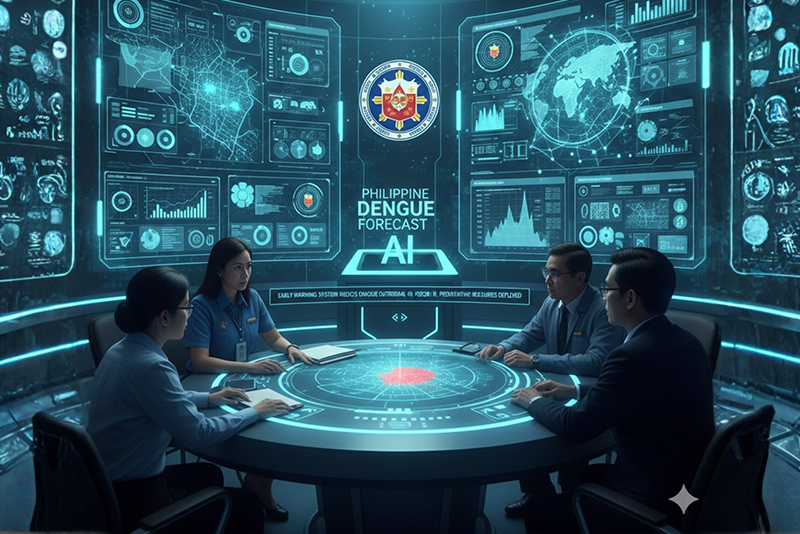
- LGUs using AI analytics to predict dengue surges before they happen
- MSMEs using AI assistants to create marketing content, optimize supply chains, and negotiate contracts
The technology already exists. What we need are national policies, digital infrastructure, and a fearless openness to innovation.
3. The “Tesla Phone”: Will It Really Replace the iPhone?
Every few months, social media explodes with rumors of a “Tesla Phone”—sometimes called the Pi Phone—allegedly announced by Elon Musk. The claim is seductive: a phone powered by Starlink, fully integrated with AI, solar charging, extreme computing power, and a price that undercuts the iPhone.
But here is what is true:
- Elon Musk has never officially announced a Tesla phone.
- All circulating images and specs are fan-made concepts, not engineering releases.
- Tesla’s core business remains EVs, energy systems, and robotics—not smartphones.
- Developing a phone ecosystem to rival Apple requires not just hardware, but decades of software maturity and app infrastructure.
Could Tesla eventually release a phone? Yes.
Will it be anytime soon? Highly unlikely.
And could it dethrone the iPhone? Not without a radical shift in Apple’s ecosystem or a breakthrough so profound it bypasses current smartphone architecture entirely.
For now, the “Tesla Phone” is aspiration, not actuality.
The iPhone remains dominant because of three strengths Tesla does not yet have: ecosystem, user trust, and global integration.
If anything is poised to threaten the iPhone, it is not Tesla—it is AI-native devices designed from the ground up, with no legacy software constraints. Think smart wearables, augmented reality lenses, or entirely new computing formats that make phones less relevant.
In that sense, the real competitor to the iPhone is the form factor of the future, not another smartphone.
4. The Real Question Is Not About Phones—It Is About the Future of Intelligence
AI will not replace doctors, teachers, writers, or leaders—but people who use AI will outperform those who do not. The shift will be as significant as the invention of electricity or the internet.
What we must guard against is not the rise of AI, but:
- Unequal access
- Misuse and disinformation
- Ethical lapses
- Regulatory lag
- Concentration of power in a few corporations
The future of AI should be guided, not feared.
5. Conclusion: A Future That Requires Courage

AI is not overrated. If anything, our imagination is still lagging behind its potential.
As for the Tesla Phone? It is a fascinating rumor—nothing more. The real revolution will not come from a new handset but from a new relationship between humans and intelligence itself.
The nations and individuals who thrive will be those who learn to work with AI, not against it—embracing its capacity to extend our minds, lighten our burdens, and illuminate possibilities we have not dared to see.