
By Dr. Tony Leachon
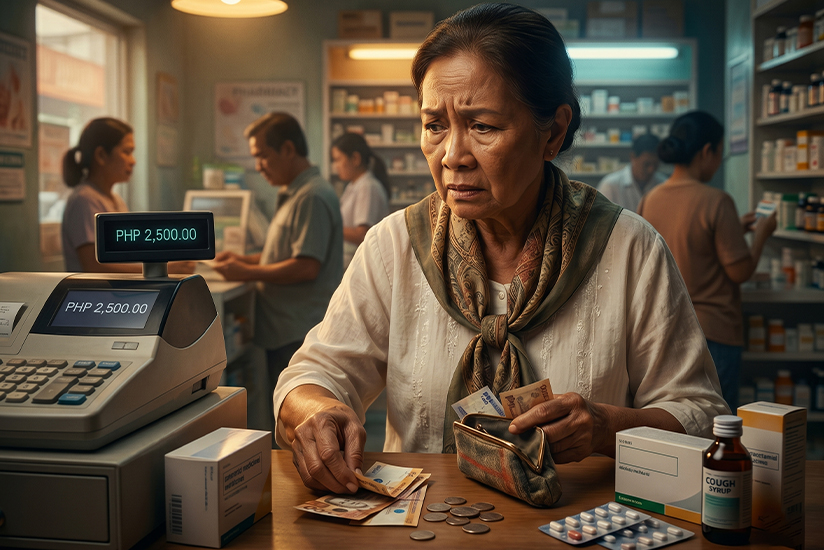
The Philippines is entering a period of heightened vulnerability in healthcare access. A weakening peso, rising fuel costs, and global supply chain disruptions—exacerbated by tensions in the Middle East—are expected to push medicine prices upward. While the Department of Health (DOH) has assured the public of sufficient stockpiles, past controversies over wasted medicines worth billions of pesos have eroded confidence in government reserves.
Challenges of the Middle East War
The ongoing conflict in the Middle East has no clear exit strategy. Its ripple effects are already being felt through higher fuel prices, which in turn increase logistics costs for imported medicines, medical equipment, and hospital services. As the war drags on, the Philippines—heavily dependent on imports for both finished drugs and active pharmaceutical ingredients—will face mounting pressure.
Price increases, however, will be tempered by deteriorating consumer purchasing power. Families already struggling with inflation will find medicines less affordable, leading to delayed hospital visits and reduced access to care. This paradox—rising costs but weakening demand—creates a dangerous gap in public health.
DOH Pronouncements
DOH Secretary Ted Herbosa has stated that medicine prices are being monitored and that supplies remain adequate. He emphasized that government stockpiles are on standby and that hospital services will continue. Yet, the major impact will fall on out-of-pocket expenses of ordinary Filipinos buying medicines from pharmacies.
The assurance of stockpiles must be weighed against past lapses: billions in expired or wasted medicines, raising questions about accountability and reliability.
Personal Recommendations
1. Immediate Policy Relief• Support Senator Loren Legarda’s proposal to reduce VAT from 12% to 10% and exempt medicines from VAT. This will directly lower out-of-pocket costs for households.
• Fast-track legislation to cushion vulnerable sectors, especially the middle class and poor.
2. Strengthen Transparency and Accountability
• Audit DOH procurement and stockpile management to prevent wastage.
• Publish regular reports on medicine availability and pricing to restore public trust.
3. Local Manufacturing and Supply Chain Resilience
• Incentivize local production of essential medicines to reduce dependence on imports.
• Build strategic reserves of critical drugs with strict monitoring to avoid expiry.
4. Healthcare Institutions and Doctors
• Expand telemedicine and preventive care programs to reduce reliance on hospital visits.
• Encourage rational prescribing and safe use of generics to minimize costs.
5. Civil Society and Advocacy
• Mobilize public awareness campaigns on medicine affordability and preventive health.
• Press for equitable policies that protect the most vulnerable families.
Conclusion
This is not just an economic challenge—it is a public health emergency in the making. Rising drug costs, tempered by weakening consumer power, will hit Filipino families hardest. We must act decisively: reduce VAT, strengthen transparency, invest in local manufacturing, and protect the poor and middle class. Compassion, foresight, and solidarity must guide our response.
#RelentlessForChange