
THE DIABETES CHECK-UP CHECKLIST
For World Diabetes Day: the tests every person with diabetes should get — and why
By the H&L Editorial Team
Q: Sapat na ba na kontrolado ang asukal ko? Is controlling my blood sugar enough?
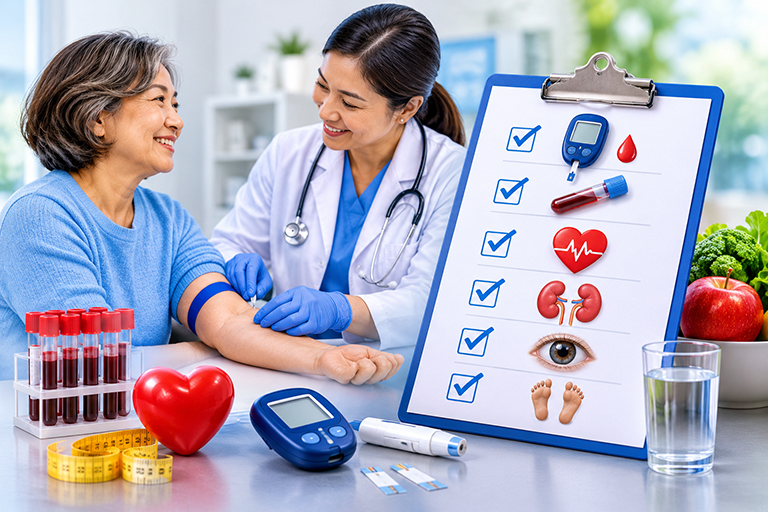
A: Blood sugar control is essential, but it isn’t the whole picture. Diabetes affects blood vessels and nerves throughout the body. People with diabetes need regular checks of their eyes, feet, kidneys and heart — because complications often develop silently, long before symptoms appear. This year’s World Diabetes Day campaign notes that up to half of people with type 2 diabetes already have complications when they are diagnosed.
Q: How often should I check my HbA1c?
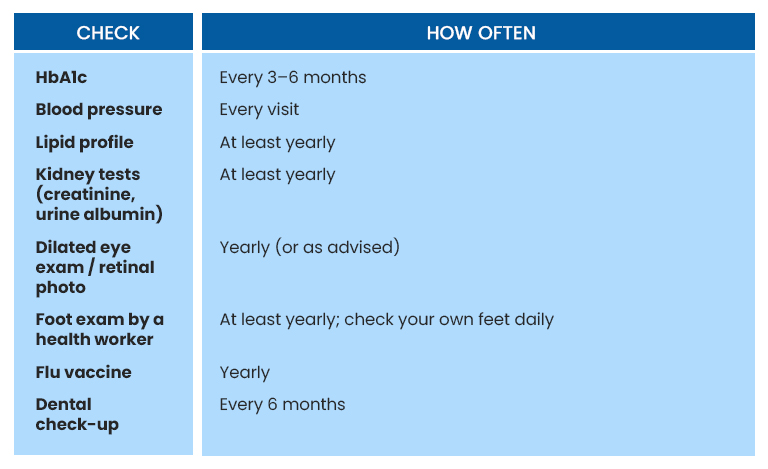
A: Usually every three months if your treatment has changed or your sugar isn’t at target, and every six months if it’s stable and well controlled. For many adults, the target is an HbA1c below 7 percent, though your doctor may set a different goal depending on your age and health.
Q: Why do I need an eye exam if I can see fine?
A: Diabetic retinopathy — damage to the blood vessels at the back of the eye — often causes no symptoms until it’s advanced. It is a leading cause of preventable blindness. A dilated eye exam or retinal photograph, usually once a year, can catch it early, when laser or other treatment can save sight.
Q: Ano ang dapat kong bantayan sa paa ko?
A: Diabetes can damage the nerves in the feet so you don’t feel injuries, and reduce blood flow so wounds heal slowly. Small cuts can become serious infections and, in the worst cases, lead to amputation. Check your feet every day for cuts, blisters, redness or swelling. Never walk barefoot. Wear comfortable, well-fitting shoes. Have your doctor examine your feet at least once a year — more often if you’ve lost feeling or had foot problems.
Q: How are the kidneys checked?
A: With two simple tests, at least once a year: a blood creatinine (to estimate kidney function, or eGFR) and a urine test for albumin (protein). Early kidney damage can be slowed considerably with good blood pressure and sugar control and with newer medicines such as SGLT2 inhibitors. Diabetes is one of the leading causes of kidney failure requiring dialysis in the Philippines.
Q: And the heart?
A: People with diabetes have a much higher risk of heart attack and stroke. At every visit, your blood pressure should be checked; for most, the target is below 130/80. Your cholesterol should be checked at least yearly, and most adults with diabetes benefit from a statin. Tell your doctor about any chest discomfort, breathlessness or swelling of the legs. Some newer diabetes medicines also protect the heart.
Q: Anything else?
A: Yes: get your flu and pneumococcal vaccines, see a dentist regularly (gum disease is more common in diabetes and can worsen sugar control), don’t smoke, and tell your doctor if you’ve been feeling down — depression is common with diabetes and affects how well people manage it.








Leave a Reply