

What we eat daily is quietly shaping our future health
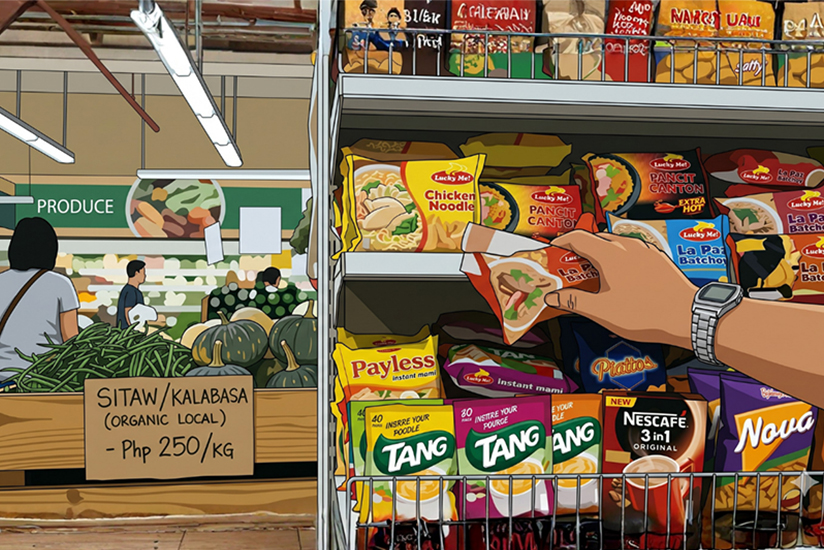
The Filipino diet is rich in memory, comfort, and family tradition—but it is also increasingly rich in salt, sugar, refined carbohydrates, and processed food. From salty condiments and instant noodles to sweetened drinks, milk tea, pastries, and oversized rice portions, many everyday choices are quietly fueling hypertension, diabetes, kidney disease, stroke, heart attack, obesity, and fatty liver disease. The problem is not one birthday feast or holiday buffet. It is the daily pattern. And because food habits are learned at home, corrected at home, and passed on at home, the Filipino kitchen may be one of the most important public health battlegrounds of our time.
By Rafael R. Castillo, MD
The Disease Begins at the Dining Table
Filipinos do not usually think of breakfast, lunch, and dinner as medical events. Yet over time, they are. What we eat repeatedly becomes blood pressure, blood sugar, cholesterol, waistline, kidney workload, liver fat, and vascular aging.
A salty meal does not instantly cause a stroke. A bottle of soda does not immediately cause diabetes. But the body is an accountant with a long memory. It records the daily deposits: a little too much patis, a second cup of rice, sweetened coffee three times a day, processed meats for convenience, chips for merienda, and soft drinks because “mainit kasi.”
Years later, the bill arrives as hypertension, diabetes, chronic kidney disease, fatty liver, heart attack, or stroke.
This is not to demonize Filipino food. Our cuisine has many strengths: vegetables, fish, soups, fruits, legumes, fermented flavors, and communal eating. The issue is that modern Filipino eating has shifted from home-cooked balance toward convenience, excess sodium, added sugar, and refined carbohydrates.
The old problem was scarcity. The new problem is abundance—especially the wrong kind.
Salt: The Flavor That Raises Pressure
Salt is essential for life, but too much becomes dangerous. The World Health Organization recommends that adults consume less than 2,000 mg of sodium per day, equivalent to less than 5 grams of salt, or just under one teaspoon daily. Many people worldwide consume far more than this, with global average salt intake almost double the recommended level.
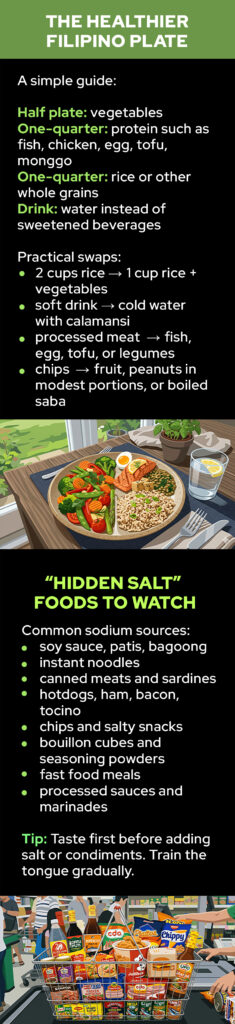
In Filipino cooking, salt often appears in visible and invisible forms: table salt, soy sauce, fish sauce, bagoong, bouillon cubes, processed meats, canned goods, instant noodles, chips, and fast food.
The problem is not only what we add at the table. It is also what manufacturers add before food reaches the table.
High sodium intake raises blood pressure, and hypertension is one of the strongest risk factors for stroke, heart attack, heart failure, and kidney disease. In the Philippines, this is especially relevant because ischemic heart disease and cerebrovascular disease remain among the country’s leading causes of death. Provisional 2024 PSA data identified ischemic heart disease as the top cause of death, with 128,889 deaths or 19.2 percent of total deaths, followed by cancers and cerebrovascular diseases.
In other words, salt is not just a seasoning issue. It is a national cardiovascular issue.
Sugar: Sweetness With a Long Shadow
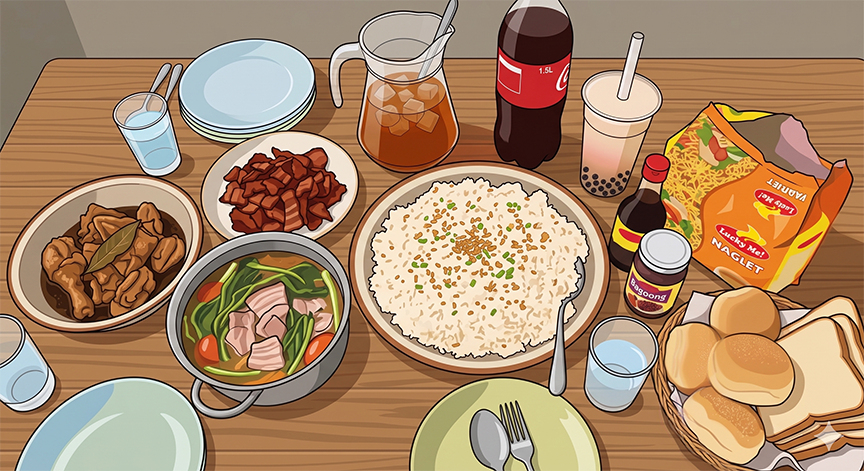
Sugar is pleasurable, cheap, and everywhere. It is in soft drinks, powdered juices, sweetened coffee, desserts, breakfast cereals, pastries, sauces, and many drinks marketed as “refreshing” or “energy-boosting.”
WHO recommends reducing free sugars to less than 10 percent of total daily energy intake, with further benefit if reduced below 5 percent, roughly around 25 grams or 6 teaspoons per day for many adults.
The danger is that liquid sugar enters the body quickly and does not make people feel full. A sugary drink can add hundreds of calories without reducing appetite at the next meal. Over time, this increases risk for weight gain, insulin resistance, type 2 diabetes, fatty liver disease, dental caries, and cardiovascular disease.
In the Filipino setting, sweetened beverages are not occasional treats anymore. They are daily companions: iced tea with lunch, soft drinks with merienda, sweetened coffee in the morning, milk tea after school or work, and powdered juice at family gatherings.
The tongue adapts. What used to taste sweet begins to taste normal. Then water starts to taste “boring.”
That is how sugar wins—not by force, but by habit.
Rice, Refined Carbs, and the Filipino Plate
No discussion of the Filipino diet is honest without rice.
Rice itself is not evil. For generations, it sustained families through hard work, farming, and long days of physical labor. The problem is context. Many Filipinos now eat large portions of white rice while moving far less than previous generations.
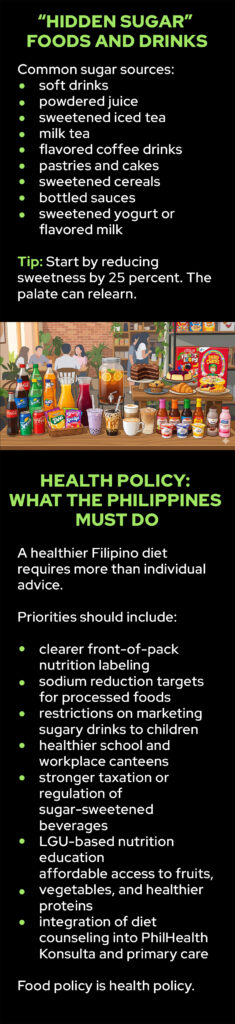
A rice-heavy plate with little vegetable, minimal protein, and sweetened drinks on the side becomes metabolically risky. Refined carbohydrates rapidly raise blood sugar, especially when paired with inactivity, stress, poor sleep, and central obesity.
The issue is not whether Filipinos should stop eating rice. That is neither realistic nor culturally sensitive. The smarter question is: How much rice, with what, and how often?
A healthier Filipino plate does not ban rice. It rebalances the plate.
Processed Food: Convenience With Consequences
Modern life is busy. Parents work long hours. Students rush. Office workers eat at convenience stores. Drivers, security guards, nurses, call-center workers, and sales staff often rely on what is fast, cheap, and available.
Unfortunately, many convenient foods are high in sodium, sugar, unhealthy fats, and refined carbohydrates. These foods are engineered to be tasty, shelf-stable, and repeatable. They are also easy to overconsume.
This is where public health must be fair. We cannot simply tell people, “Eat healthy,” if healthier choices are expensive, unavailable, or impractical. The food environment matters. Schools, workplaces, sari-sari stores, canteens, food manufacturers, LGUs, and national policy all shape what Filipinos eat.
Personal responsibility matters—but so does food policy.
What Diseases Are We Feeding?
The daily excess of salt, sugar, and refined carbohydrates contributes to a cluster of diseases that often travel together:
- Hypertension
- Stroke
- Heart attack
- Heart failure
- Type 2 diabetes
- Chronic kidney disease
- Fatty liver disease
- Obesity
- Certain cancers
- Dental disease
These are not separate stories. They are chapters of the same lifestyle epidemic.
The Philippines now faces a double burden: some families still struggle with undernutrition, while many others suffer from overnutrition and metabolic disease. The 2023 National Nutrition Survey highlighted continuing nutrition challenges among Filipinos, including insufficient intake across age groups.
This means we must avoid simplistic advice. The goal is not just fewer calories. It is better nourishment.
The Family Is the First Health System
Most eating habits are not formed in hospitals. They are formed at the family table.
Children learn what “normal” tastes like from adults. If every meal is salty, children learn saltiness. If every celebration requires soft drinks, children learn sweetness. If vegetables are treated as punishment, children learn avoidance.
But the reverse is also true. Families can normalize water, fruit, vegetables, smaller rice portions, and home cooking. The kitchen can become a preventive clinic.
No prescription is as powerful as a household that decides to eat differently together.
What Can Filipinos Do Starting Today?
Change does not require culinary perfection. It begins with practical steps:
- Reduce salt and condiments gradually.
- Limit instant noodles and processed meats.
- Replace sugary drinks with water most days.
- Keep rice, but reduce portions and add vegetables.
- Eat fruit instead of pastries for routine snacks.
- Read labels for sodium and sugar.
- Cook more meals at home when possible.
- Make walking after meals a family habit.
- Check blood pressure, blood sugar, cholesterol, waistline.
The best diet is not the most fashionable one. It is the healthiest pattern a family can sustain.
Final Message
The Filipino diet does not need to lose its soul. It needs to recover its balance.
We can still enjoy adobo, sinigang, monggo, fish, rice, and family meals. But we must rethink portions, frequency, condiments, and sweetened drinks.
What we eat daily is quietly shaping our future health. The question is whether we will allow habit to decide for us—or whether we will choose, meal by meal, to protect the next generation.
Because survival is not only about living through storms, pandemics, or crises.
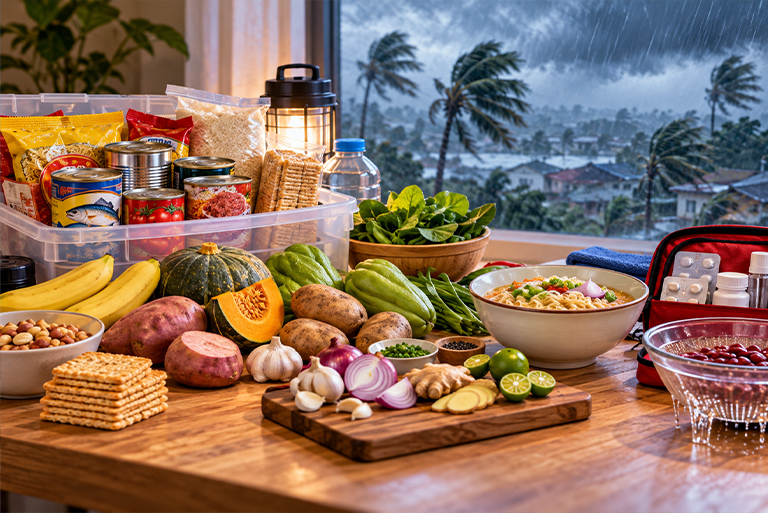
Sometimes, survival begins with what is on the plate.
“The danger is not the occasional feast. It is the daily spoonful of excess salt, sugar, and refined carbs that quietly rewrites our future health.”
References
- World Health Organization. Sodium reduction. Updated February 7, 2025. WHO recommends less than 2,000 mg/day sodium, equivalent to less than 5 g/day salt, for adults.
- World Health Organization. Reducing population sodium/salt intake. WHO notes global average salt intake is about 9–12 g/day and that high sodium consumption contributes substantially to mortality.
- World Health Organization. Guideline: sugars intake for adults and children. Geneva: WHO; 2015. WHO recommends free sugars below 10% of total energy intake, with additional benefit below 5%.
- World Health Organization. WHO calls on countries to reduce sugars intake among adults and children. March 4, 2015.
- Philippine Statistics Authority. 2024 Causes of Death in the Philippines: Provisional as of 30 June 2025. Ischaemic heart diseases were the leading cause of death in 2024.
- Department of Science and Technology–Food and Nutrition Research Institute. 2023 National Nutrition Survey / Food Consumption Survey updates.
- Department of Science and Technology–Food and Nutrition Research Institute. Expanded National Nutrition Survey 2021 Facts and Figures.
- Jachimowicz-Rogowska K, et al. Initiatives to reduce the content of sodium in food products and meals and improve consumer awareness. Nutrients. 2023;15:2393.









Leave a Reply