



As physicians, we are trained to take a history.
Before treating the patient before us, we ask:
What happened before?
When did it begin?
What were the warning signs?
Could it happen again?
Perhaps nations need to take their histories the same way.
A painful medical history is not erased because the patient has recovered. We remember the previous heart attack because it helps prevent the next one.
Neither should painful national history be erased simply because decades have passed.
We commemorate Martial Law not because Filipinos should remain imprisoned by the past, but because the past can help protect the future.
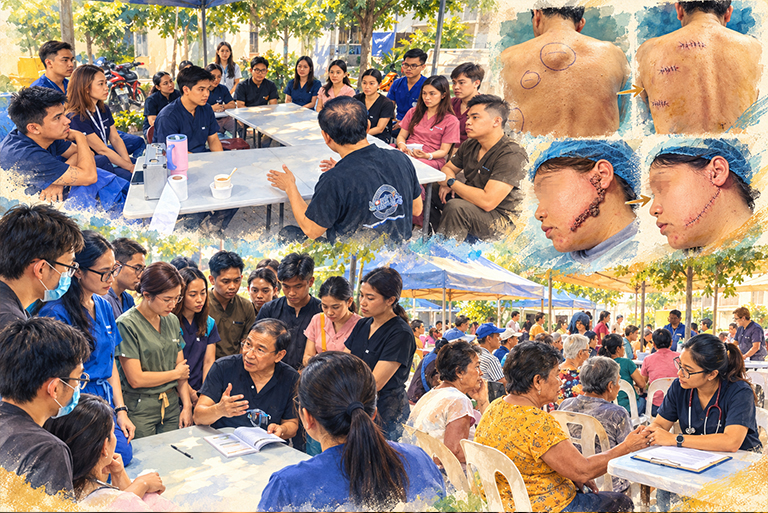
In our special commemorative article, Dr. Ross Alonzo remembers the barricades.
Former DOH Undersecretary Dr. Jade del Mundo remembers a life through which, despite turmoil and danger, he still sees the hand and grace of God.
Soon, their generation will entrust those memories to young Filipinos who know the 1970s only through books, films and stories.
Our responsibility is not to dictate their politics.
It is to give them the historical record faithfully enough that they can think, question and decide for themselves.
That is why we should preserve testimony.
That is why teachers should teach.
That is why archives matter.
That is why films such as Edjop can start important conversations.
And that is why remembering is not living in the past.
Remembering is one way of caring for the future.
If those memories help future generations value human dignity, constitutional government, freedom and justice more deeply, then suffering has at least yielded wisdom.
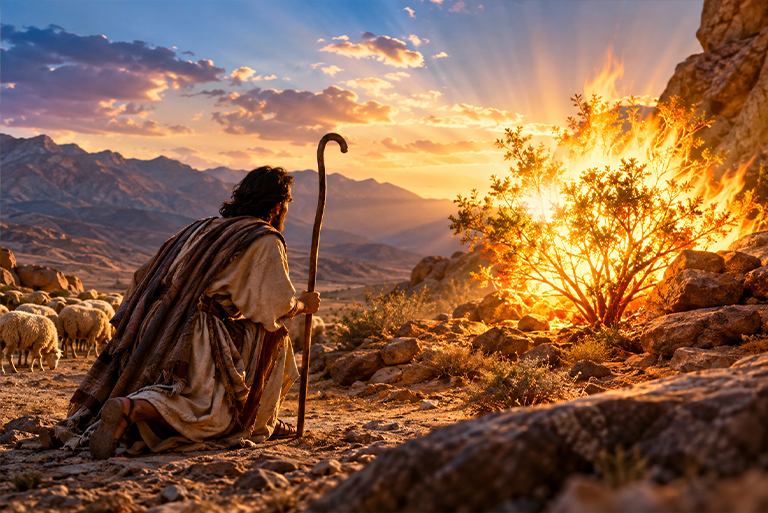
And perhaps we can join Doc Jade in his final affirmation—not as a political slogan, but as a prayer of gratitude for having lived, survived and been given another generation to teach:
To God be all the glory.








Leave a Reply