
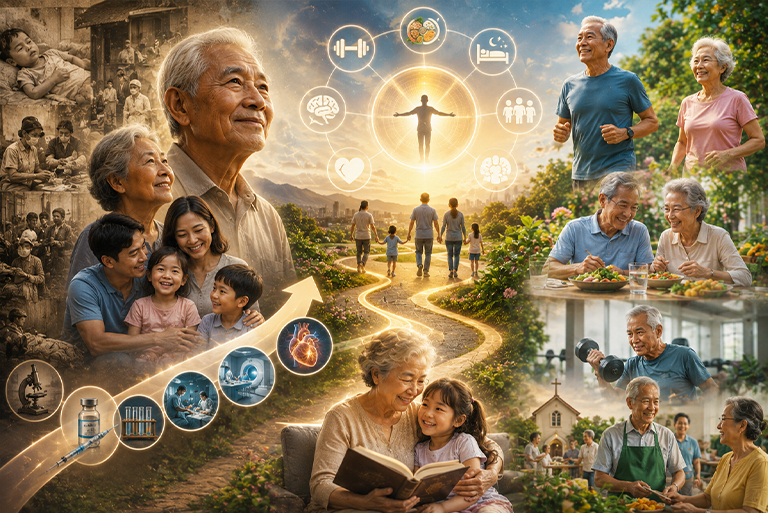
One of the greatest triumphs of modern medicine is that people are living longer than ever before.
A century ago, infectious diseases claimed countless lives before old age could even be reached. Today, advances in vaccination, antibiotics, cardiovascular care, cancer treatment, surgery, and public health have dramatically extended life expectancy across the world, including in the Philippines.
But longevity presents us with a new challenge.
How do we ensure that these added years remain healthy, active, and meaningful?
For many people, aging is still viewed through the lens of inevitability. We expect slower walking, weaker muscles, frequent falls, declining independence, and increasing dependence on others. These changes are often accepted as “just part of getting old.”
Modern geriatric medicine tells us otherwise.
Frailty is not simply another word for aging.
It is a distinct medical syndrome characterized by diminished physiological reserve, reduced resilience, and increased vulnerability to illness, injury, and disability. More importantly, frailty is often preventable, and in many individuals, especially when recognized early, it can be delayed, improved, or even partially reversed.
This is one of the most hopeful developments in contemporary medicine.
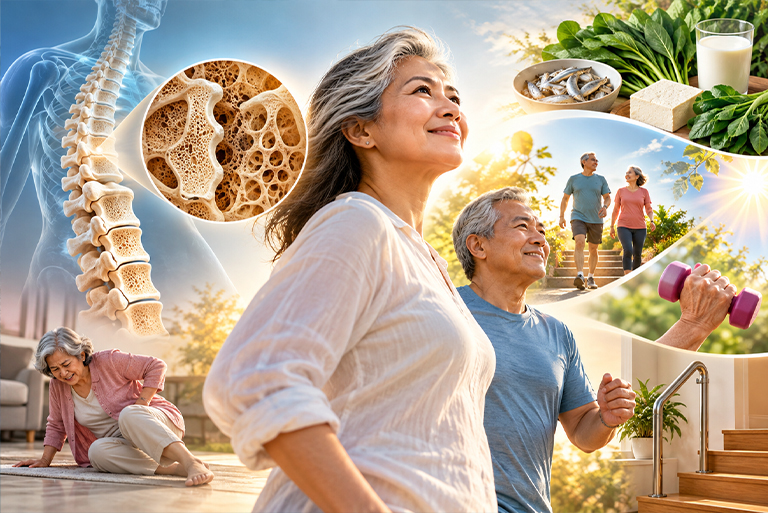
The science of healthy aging has advanced remarkably over the past two decades. Researchers now understand that skeletal muscle is not merely responsible for movement; it is a vital organ influencing metabolism, immunity, balance, bone health, and even cognitive function. We have learned that regular resistance exercise, balanced nutrition with adequate protein, restorative sleep, social engagement, effective management of chronic illnesses, and purposeful living all contribute to preserving strength and independence well into later life.
The message is both simple and profound: healthy aging does not begin at age seventy or eighty. It begins much earlier—through the choices we make in midlife and, indeed, throughout adulthood.
This issue of Health & Lifestyle explores frailty not to create fear, but to inspire hope.
Our goal is to help readers understand that growing older does not necessarily mean growing weaker. We hope families will recognize the early signs of frailty before disability develops. We hope healthcare professionals will incorporate frailty screening into routine clinical care. We hope policymakers will appreciate the importance of creating age-friendly communities that support healthy aging. Most of all, we hope every reader realizes that it is never too early—and rarely too late—to invest in strength, resilience, and lifelong vitality.
As physicians, we often celebrate breakthroughs that save lives. Equally important are the quieter victories that preserve independence: preventing a fall, helping an older adult regain confidence after illness, restoring the ability to walk, climb stairs, prepare a meal, embrace a grandchild, or continue serving family and community.
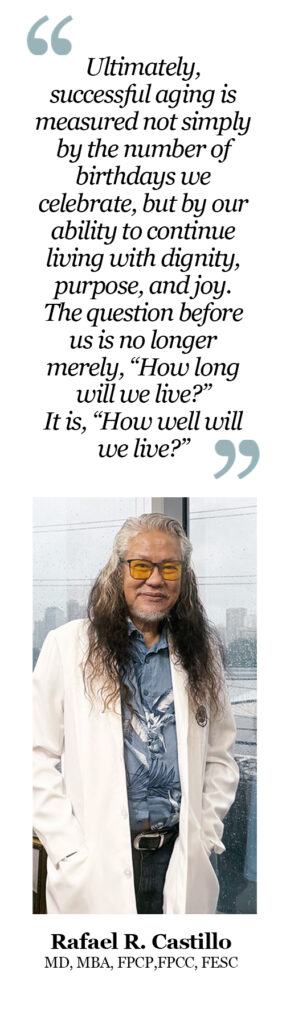
Ultimately, successful aging is measured not simply by the number of birthdays we celebrate, but by our ability to continue living with dignity, purpose, and joy.
The question before us is no longer merely, “How long will we live?”
It is, “How well will we live?”
May this special issue encourage each of us—whether we are healthcare professionals, caregivers, family members, or simply individuals planning for our own future—to begin building the habits that promote strength today and preserve independence tomorrow.
Because the greatest gift modern medicine can offer is not merely adding years to life.
It is helping us add life to our years.





Leave a Reply