

Every rainy season, we Filipinos prepare almost instinctively. We check the weather forecast, bring out the umbrellas, clear the gutters, and brace ourselves for flooded streets.
But perhaps one preparation deserves greater attention: protecting our health.
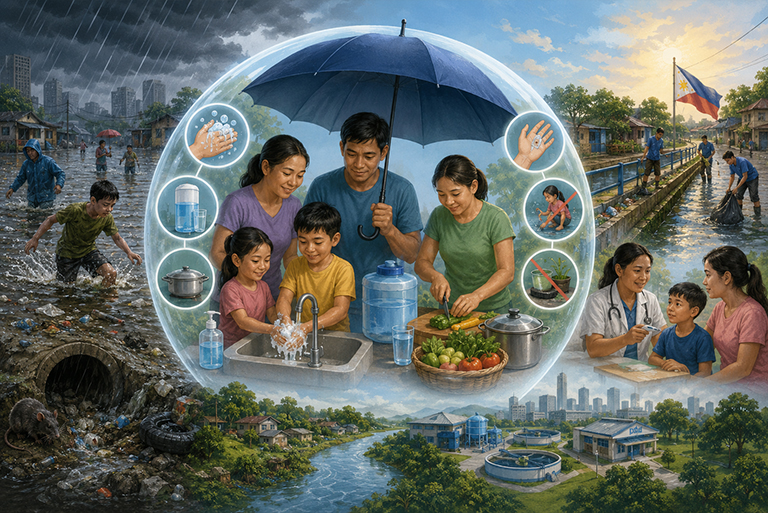
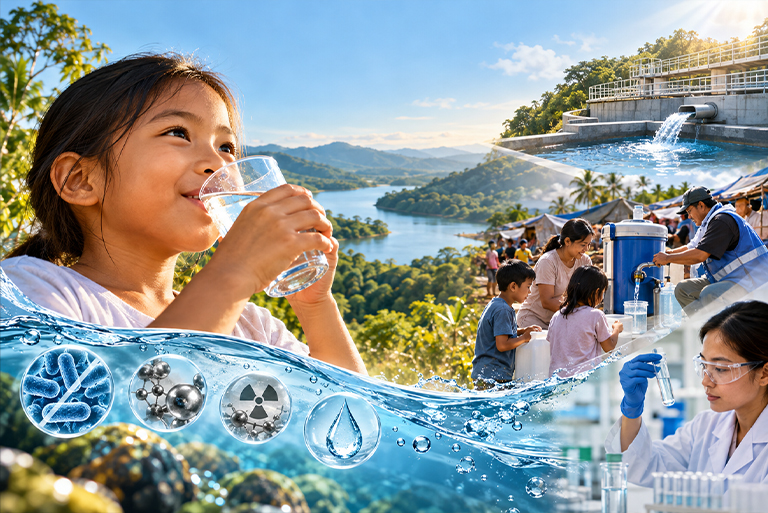
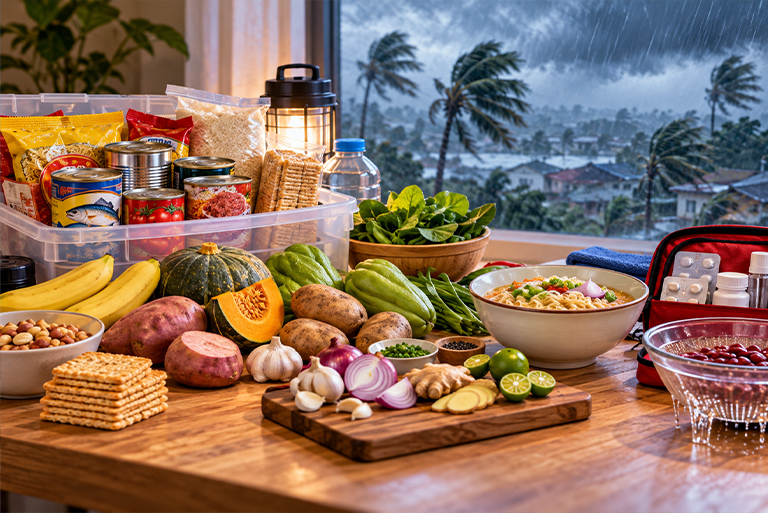
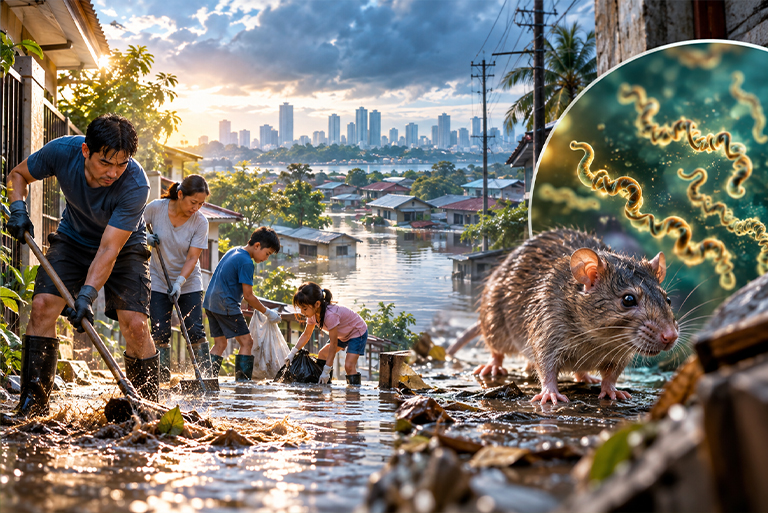
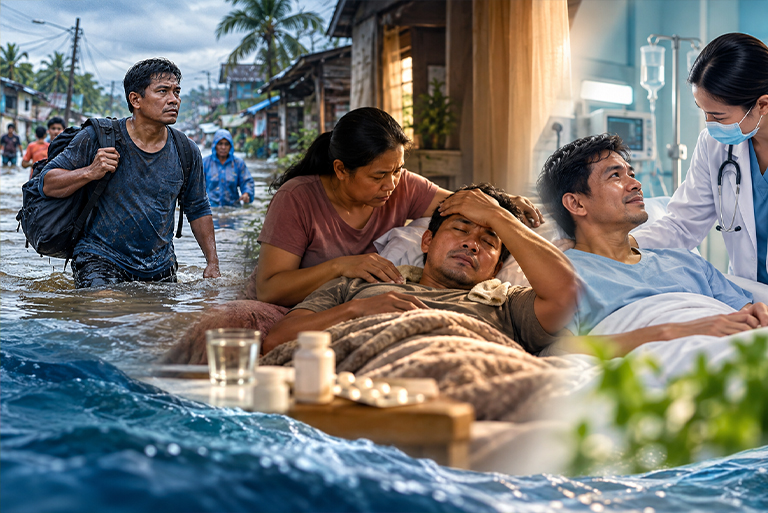
Floodwater is never simply rainwater. By the time it reaches our streets and homes, it may have mixed with sewage, garbage, animal waste and other contaminants. Drinking-water supplies may become unsafe. Food can spoil during power interruptions. And even brief exposure to contaminated floodwater may carry health risks, including leptospirosis.
What makes many flood-related illnesses particularly frustrating is that they are largely preventable.
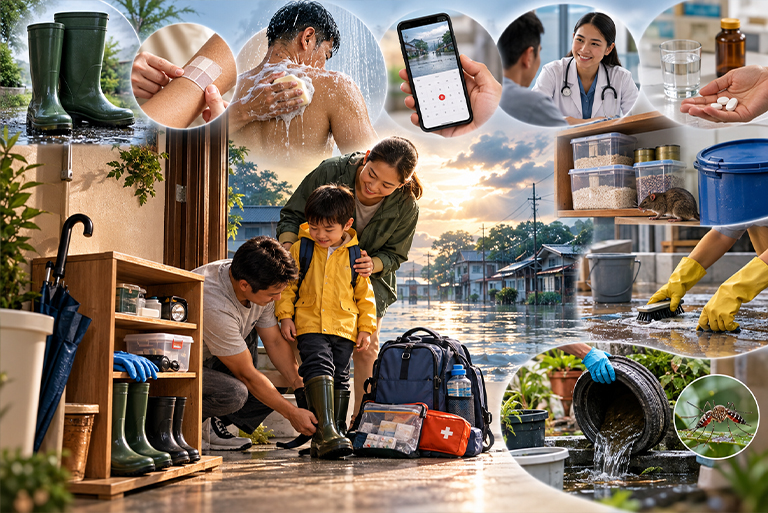
Clean drinking water. Proper handwashing. Safe food preparation. Protective footwear. Covering open wounds. Keeping children out of floodwater. Eliminating stagnant water. Seeking medical attention promptly when fever, diarrhea, jaundice, severe weakness or other concerning symptoms appear.
None of these measures is technologically sophisticated. Yet together, they can prevent considerable illness—and sometimes save lives.
There is also a larger lesson for us as a country. We should stop thinking of flood-related disease as an unavoidable companion of the rainy season. Better drainage, sanitation, safe water systems, waste management, disease surveillance and responsive primary healthcare can transform recurrent disaster into preventable risk.
Filipino resilience is admirable, but resilience should mean more than becoming good at recovering from calamity. It should also mean becoming better at preventing its avoidable consequences.
We cannot control how much rain will fall or when the next typhoon will arrive.
But we can control many of the choices that determine what happens to our health afterward.
And sometimes, the most important medicine during flood season is the illness we prevent before it ever reaches the clinic.




Leave a Reply