
Preventing Water-Borne and Flood-Related Infections During the Rainy Season
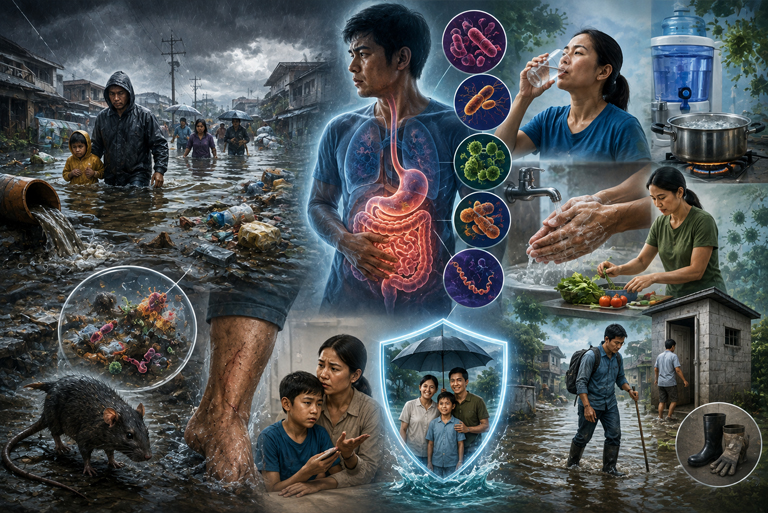
For Filipinos, heavy rain brings more than flooded streets, cancelled classes and difficult commutes. When floodwater mixes with sewage, animal waste and contaminated soil—and when safe drinking-water systems are disrupted—the result can be a dangerous breeding ground for disease. Acute gastroenteritis, cholera, typhoid fever, hepatitis A and leptospirosis are among the infections that deserve particular attention during and after flooding. Yet most are preventable. Safe water, proper food handling, hand hygiene, sanitation, avoidance of floodwater and early recognition of warning signs can turn an annual season of vulnerability into one of preparedness.
“The greatest danger in floodwater may be what we cannot see: bacteria, viruses and other pathogens capable of turning a few minutes of exposure into serious illness days later.”
By Rebecca L. Castillo, MD
The Familiar Filipino Scene
The rain has been falling since midnight.
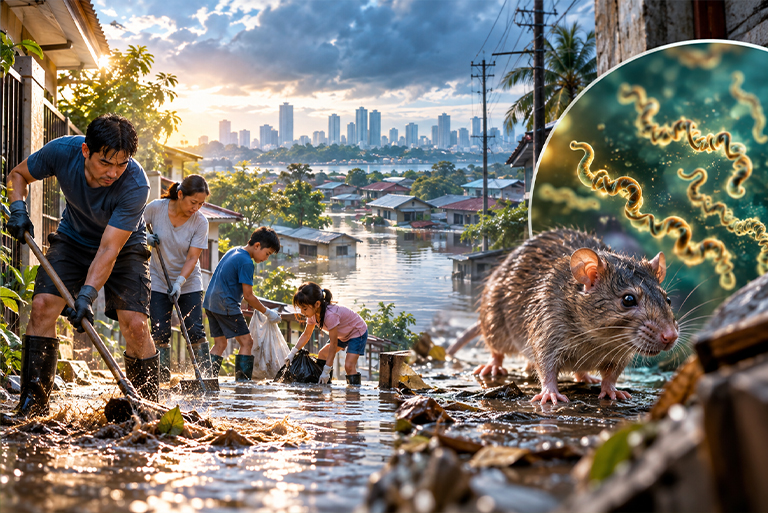
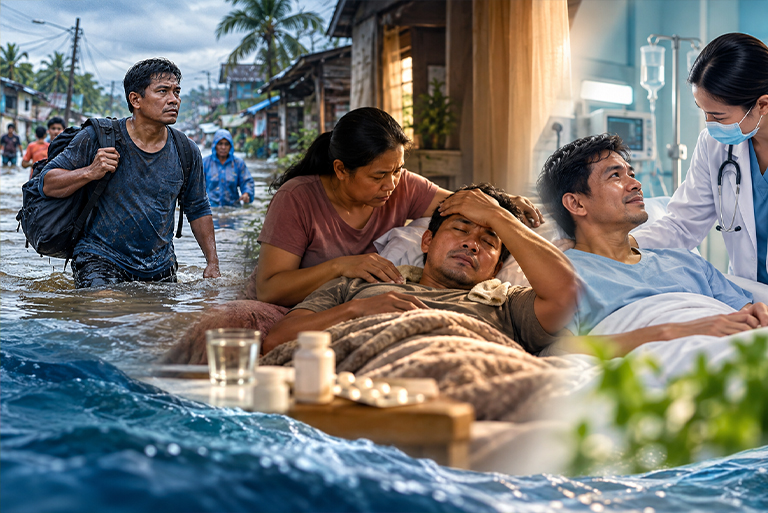
By morning, water has entered the street. By noon, it reaches people’s knees. Children watch from doorways while adults wade outside to buy food, move vehicles or reach work. Garbage floats past. Somewhere nearby, an overflowing drainage canal has merged with the flood.
After the water subsides, everyone begins cleaning.
Three days later, a child develops diarrhea and vomiting. A neighbor complains of fever and severe body aches after wading through the flood with a small cut on his foot. Another family discovers that the water from their household source looks slightly cloudy.
These illnesses may seem unrelated.
But the flood can connect them all.
WHO identifies contamination of drinking-water facilities as one of the major health hazards following floods. Flooding can increase transmission of diarrheal diseases and infections such as typhoid and cholera, while standing water creates additional environmental and vector risks.
For a country accustomed to typhoons and seasonal flooding, preventing these diseases should become as routine as preparing umbrellas and emergency lights.
What Makes Floodwater Dangerous?
Floodwater is not simply rainwater.
As water moves through communities, it can collect sewage, human and animal feces, urine from rodents and other animals, garbage, chemicals, fuel, sharp debris and microorganisms. CDC therefore recommends avoiding floodwater whenever possible.
Flooding may also compromise wells, pipes and water distribution systems. Even water that looks clear is not necessarily microbiologically safe.
Disease then reaches humans through several pathways: drinking contaminated water; eating food washed or prepared with it; inadequate hand hygiene; swallowing contaminated water; or exposing broken skin and mucous membranes to contaminated floodwater.
That last route is particularly important for leptospirosis.
The Diseases We Should Watch For
1. Acute Infectious Diarrhea and Gastroenteritis
The most immediate threat from contaminated food and water is often diarrheal illness.
Numerous bacteria, viruses and parasites can cause gastroenteritis. Symptoms commonly include watery stools, abdominal cramps, nausea, vomiting and sometimes fever.
For most otherwise healthy adults, an uncomplicated episode resolves. But diarrhea can become dangerous when fluid and electrolyte losses cause dehydration—especially in infants, young children, older adults and medically vulnerable people.
Globally, contaminated food and drinking water remain major routes of diarrheal infection, and safe water, sanitation and handwashing can prevent a substantial proportion of cases.
Red flags
Seek medical attention promptly for blood in the stool, persistent vomiting, inability to drink adequately, marked weakness or lethargy, very little urine, severe abdominal pain, or signs of significant dehydration.
For children, the threshold for consultation should be lower.
2. Cholera: Diarrhea That Can Become Dangerous Quickly
Cholera is caused by Vibrio cholerae, usually acquired from contaminated food or water.
Most infections are mild or asymptomatic, but severe cholera can produce profuse watery diarrhea and rapid dehydration. Without timely fluid replacement, a severely affected patient can deteriorate rapidly.
The cornerstone of management is rehydration, not indiscriminate antibiotic use.
During flooding, the best defense is preventing fecal contamination of drinking water and food in the first place.
3. Typhoid Fever
Typhoid fever is caused by Salmonella Typhi and spreads through food or water contaminated by fecal material from an infected person or carrier.
Patients may develop prolonged fever, headache, weakness, abdominal symptoms and changes in bowel habits.
Typhoid deserves medical evaluation because untreated infection can lead to serious complications.
Sanitation, clean water, handwashing and safe food preparation remain fundamental preventive measures.
4. Hepatitis A
Hepatitis A virus also spreads primarily through the fecal–oral route.
Someone may ingest microscopic amounts of contaminated material through unsafe water, food or inadequately washed hands.
Symptoms can include fever, fatigue, nausea, abdominal discomfort, dark urine and jaundice.
Unlike hepatitis B and C, hepatitis A does not become chronic. Nevertheless, adults can become quite ill, and occasionally severe liver injury occurs.
Vaccination provides highly effective protection and is worth discussing with one’s physician when appropriate.
5. Leptospirosis
Among all illnesses associated with flooding, leptospirosis deserves special emphasis.
It is caused by Leptospira bacteria and is transmitted through the urine of infected animals. During heavy rainfall and flooding, contaminated soil and water can expose humans. The organisms may enter through cuts or abrasions and through mucous membranes such as the eyes, nose or mouth.
Rodents are an important reservoir, although other mammals can carry the bacteria.
Early illness may resemble influenza or dengue, with fever, headache, muscle aches, chills, nausea or vomiting. Severe disease can involve the kidneys, liver, lungs or nervous system and can be life-threatening.
This is why a seemingly insignificant detail—“I walked through floodwater last week”—can be medically important.
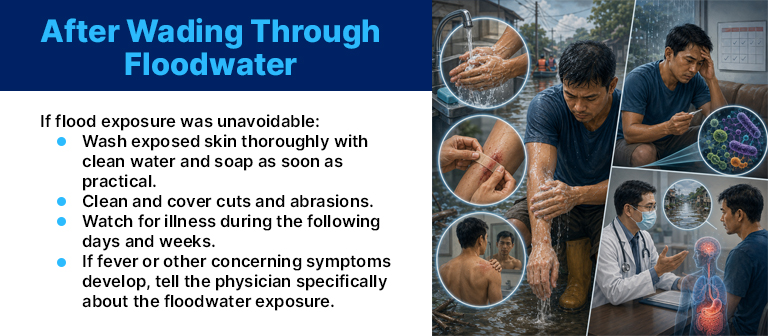
CDC notes that leptospirosis symptoms may develop 2–30 days after exposure.
Preventive antibiotics are not something families should self-prescribe after every flood exposure. Whether medication is appropriate depends on exposure risk and individual circumstances and should be determined by a qualified healthcare professional.
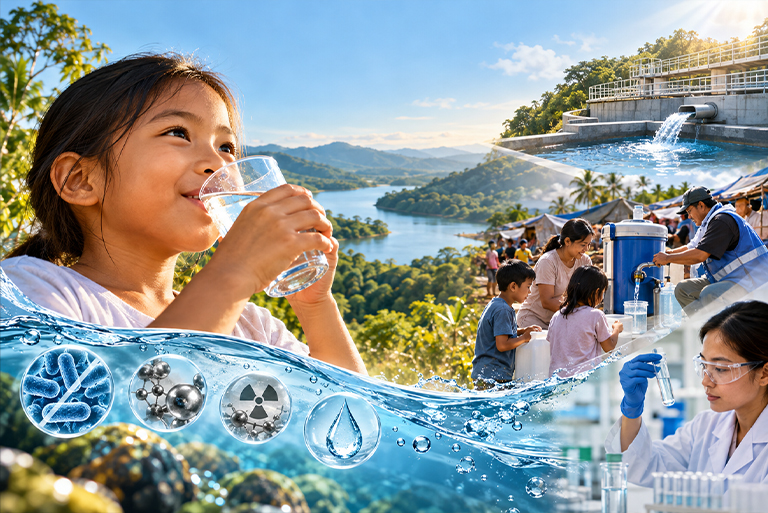
The Single Most Important Defense: Safe Water
After flooding, never assume that tap, well or stored water remains safe simply because it appears clean.
If authorities issue a water-safety or boil-water advisory, follow it carefully.
WHO identifies uninterrupted provision of safe drinking water as one of the most important measures for preventing disease outbreaks after floods.
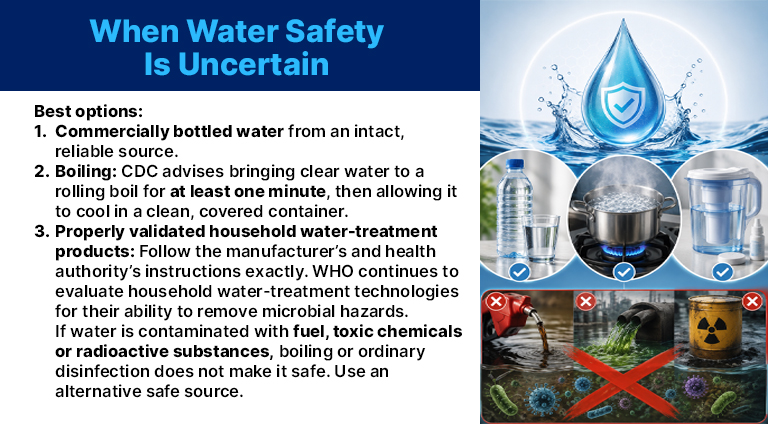
CDC recommends bottled, boiled or appropriately treated water when the safety of the supply is uncertain. Boiling is particularly effective for killing infectious organisms.
Use safe water not only for drinking but also for preparing food and beverages, brushing teeth, making ice and preparing infant formula.
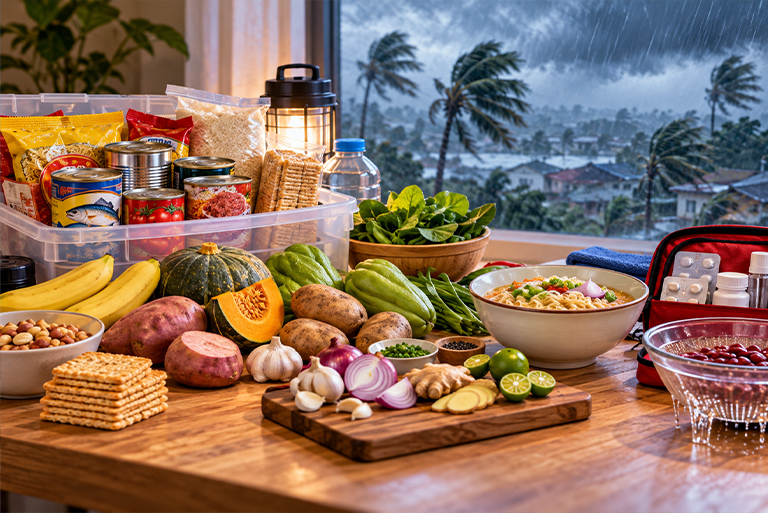
Food After a Flood: When in Doubt, Throw It Out
Floodwater and food do not mix.
Food touched directly by floodwater should generally be discarded. Power outages add another danger because refrigerated foods can enter unsafe temperature ranges.
Be especially cautious with meat, seafood, milk, cooked rice, sauces and other perishable foods.
Never taste questionable food to decide whether it is safe.
The microorganisms responsible for food poisoning rarely announce themselves by changing the smell or appearance of food.
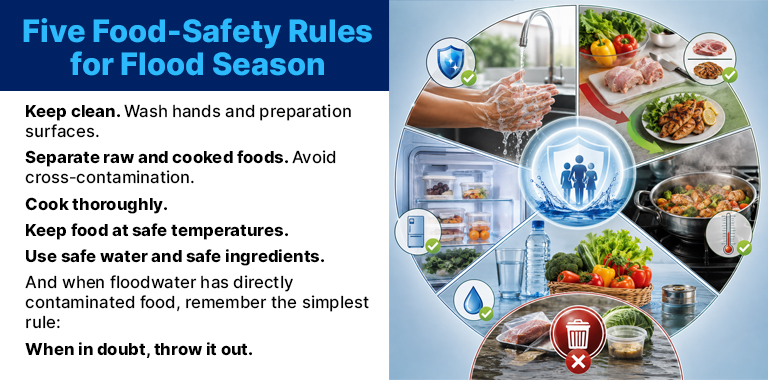
Handwashing: An Ordinary Habit With Extraordinary Power
One of public health’s most effective interventions remains remarkably simple: soap and water.
Wash hands especially after using the toilet, after cleaning flood-contaminated areas, before cooking, before eating or feeding a child, and after handling garbage.
If soap and safe water are available, use them thoroughly.
Children require particular supervision because they naturally touch surfaces and then place their hands near their mouths.
Do not let children play in floodwater. CDC specifically warns against this because floodwater can contain sewage, infectious organisms, hazardous materials and physical debris.
Protect the Feet—and Every Small Wound
Filipinos sometimes have little choice but to cross flooded streets.
Whenever reasonably possible, avoid doing so.
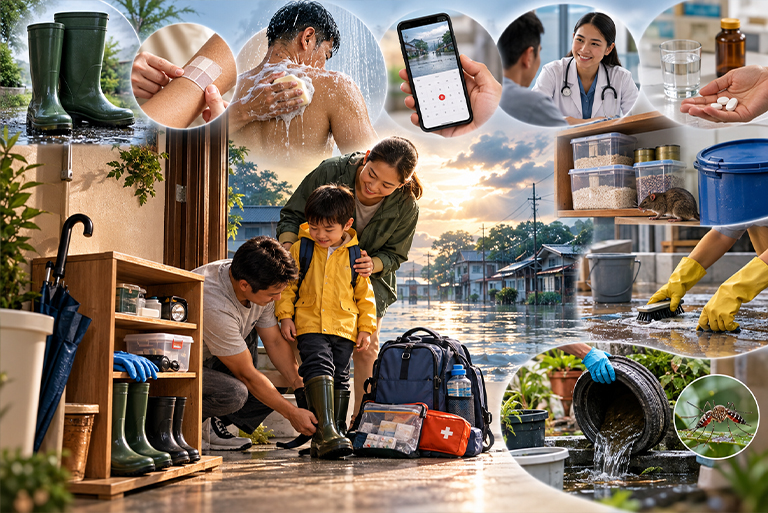
If exposure cannot be avoided, waterproof protective footwear and clothing reduce direct skin contact. Cuts and abrasions should be covered with waterproof dressings. These precautions are especially relevant to leptospirosis prevention.
Walking barefoot through floodwater is particularly risky.
Apart from infection, submerged nails, broken glass and sharp metal may cause wounds that subsequently become infected.
Keep Rats Out of the House
Floods displace rodents and may push them toward homes and evacuation areas.
Store food in closed containers. Keep garbage covered and dispose of it properly. Remove clutter that provides rodent shelter, and avoid leaving pet food exposed.
Rodent control is therefore not merely a matter of cleanliness—it is part of leptospirosis prevention.
The Special Vulnerability of Children
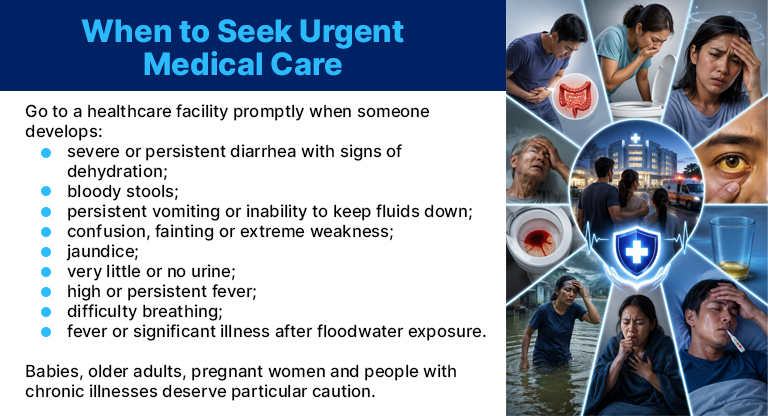
Children are particularly susceptible to dehydration from diarrhea because their fluid reserves are smaller.
Parents should watch for unusual sleepiness, dry mouth, reduced urination, inability to drink adequately, persistent vomiting or other signs that a child is becoming seriously unwell.
WHO emphasizes oral rehydration solution (ORS) as the foundation of treatment for dehydration from acute diarrhea; severe dehydration or shock may require intravenous fluids.
Breastfeeding should generally continue during diarrheal illness.
Antibiotics should not automatically be given for every episode of diarrhea. Many diarrheal illnesses are viral, and unnecessary antibiotics contribute to antimicrobial resistance.
Evacuation Centers Need More Than a Roof
When disasters displace large populations, preventing disease requires more than providing shelter.
Safe drinking water, functioning toilets, adequate handwashing facilities, proper waste disposal, food safety and disease surveillance are essential.
WHO notes that emergencies can rapidly worsen environmental conditions and increase WASH-related diarrheal disease when water and sanitation systems deteriorate.
This has an important policy implication for the Philippines: water, sanitation and hygiene must be treated as medical interventions.
The country has already institutionalized water-safety planning for drinking-water providers, an approach designed to identify and manage risks throughout the water-supply chain rather than relying solely on end-point testing.
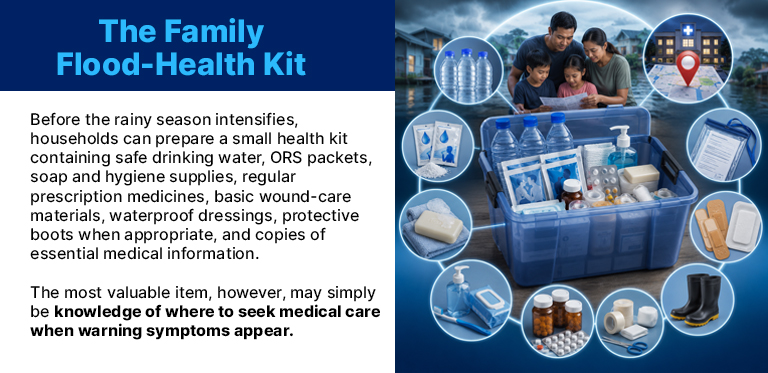
Prevention Begins Before the Rain
Flood-season health protection should not start when water enters the house.
Communities can reduce risk year-round by improving drainage, ensuring safe sewage disposal, maintaining reliable drinking-water systems, reducing rodent infestation, keeping waterways free of garbage and educating families about WASH practices.
Globally, unsafe water, sanitation and hygiene remain responsible for an enormous preventable burden of disease. WHO estimates that contaminated drinking water and poor sanitation transmit cholera, diarrhea, dysentery, hepatitis A, typhoid and other infections.
For the Philippines, these are not abstract statistics. They become personal each time another typhoon floods a community.
“After a flood, clean water is medicine, sanitation is prevention, and early consultation can be lifesaving.”
A Culture of Preparedness
We cannot stop every typhoon. We cannot prevent every street from flooding overnight. But we can prevent many of the illnesses that follow.
We can keep children out of contaminated water. We can protect wounds. We can make drinking water safe. We can discard contaminated food rather than gamble with it. We can maintain sanitation in evacuation centers. And we can recognize fever, diarrhea, jaundice and dehydration early enough to seek medical attention.
The rainy season has always been part of Filipino life.
Disease need not be an inevitable part of it.
When the waters rise, our best defenses remain surprisingly basic: safe water, clean hands, protected skin, safe food, proper sanitation and timely medical care.
Sometimes the most powerful public-health technologies are not complicated at all.
They are the precautions we remember to practice before somebody becomes sick.
References
- Centers for Disease Control and Prevention. How to Make Water Safe in an Emergency. CDC; updated September 19, 2024.
- World Health Organization. Floods: How to Protect Your Health. WHO; 2020.
- World Health Organization. Diarrhoeal Disease. WHO; updated March 7, 2024.
- World Health Organization. Drinking-water. WHO Fact Sheet.
- World Health Organization. Sanitation. WHO Fact Sheet.
- World Health Organization. Water, Sanitation and Hygiene (WASH). WHO.
- World Health Organization. Environmental Health in Emergencies: Water, Sanitation and Health. WHO.
- World Health Organization. Household Water Treatment and Safe Storage Following Emergencies and Disasters. WHO; 2002.
- World Health Organization. WHO International Scheme to Evaluate Household Water Treatment Technologies: Results of Rounds III and IV. Geneva: WHO; 2026.
- World Health Organization Philippines. Keeping Drinking-water Safe in the Philippines. WHO Philippines; 2017.
- World Health Organization Philippines. Sanitation Safety Planning Matters for Filipinos’ Health. WHO Philippines; 2017.
- Centers for Disease Control and Prevention. Preventing Leptospirosis After Hurricanes or Flooding. Updated February 10, 2026.
- Centers for Disease Control and Prevention. About Leptospirosis. Updated February 10, 2026.
- Centers for Disease Control and Prevention. Safety Guidelines: Floodwater. CDC.
- Centers for Disease Control and Prevention. What You Can Do to Prevent Diarrheal Illness After a Disaster. CDC; updated July 22, 2024.




Leave a Reply