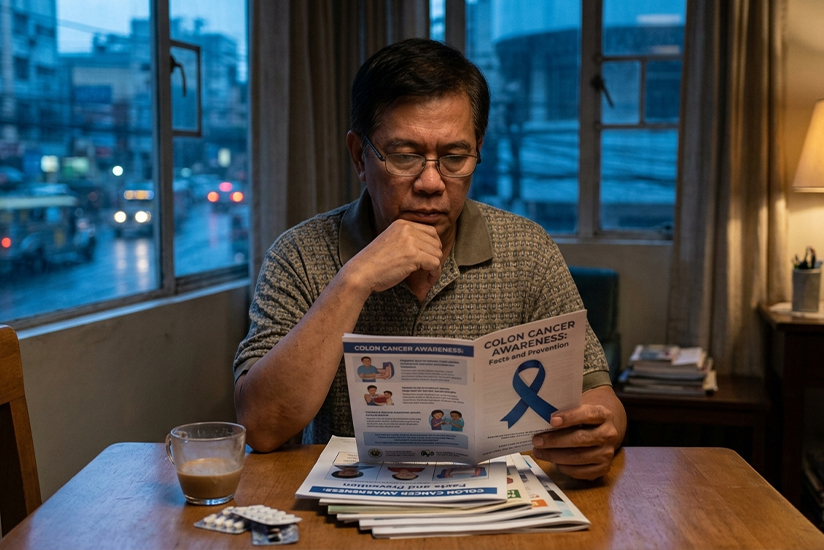
Every March, the global medical community observes Colon Cancer Awareness Month — a reminder that one of the most common cancers is also among the most preventable.
As physicians, we often encounter patients only after symptoms appear: persistent abdominal pain, unexplained weight loss, blood in the stool, or anemia. By then, the disease may already be advanced. Yet colorectal cancer usually develops slowly over many years, often beginning as small polyps that cause no discomfort and no warning signs.
This silent progression is precisely why screening is so powerful.
Modern screening tools allow us to detect precancerous growths early and remove them before they transform into malignancy. Few cancers offer such a clear opportunity for prevention.
Unfortunately, screening rates remain suboptimal. Fear of procedures, misconceptions about risk, embarrassment, and lack of awareness often delay testing. Many people mistakenly believe that colorectal cancer affects only the elderly, yet rising cases among younger adults remind us that risk begins earlier than previously thought.
Lifestyle also plays a significant role. Diets high in processed meat, physical inactivity, obesity, smoking, and heavy alcohol use contribute to disease development. On the other hand, fiber-rich diets, regular exercise, and healthy weight maintenance provide protective effects.
Family history matters too. When one family member is diagnosed, relatives may need earlier screening.
Colon cancer awareness is not merely symbolic. It is practical, preventive medicine.
The most encouraging truth is this: when detected early, colorectal cancer is highly treatable, with survival rates exceeding 90% in early stages. Late detection, however, dramatically lowers survival chances.
As clinicians, we must normalize conversations about bowel health, encourage timely screening, and reassure patients that preventive care is an investment in longevity.
This March, awareness can save lives — not through fear, but through knowledge and action.
Prevention is possible. Screening is effective. Early treatment works.
And sometimes, the most life-saving step is simply scheduling a test.
Storytelling That Heals Communities
In this issue, we also feature Henry Tacio, a multi-awarded and highly respected science and health journalist. He has been a very loyal and reliable columnist and contributing editor of H&L since year 1 in 2003.
In medicine, we are trained to diagnose diseases, interpret laboratory results, and prescribe treatments. Yet healing extends beyond clinics and hospitals. Communities are also healed through information — accurate, accessible, and meaningful knowledge that helps people make better decisions about their health and environment.
This is where journalism becomes a public health ally.
Writers like Henry practice a form of quiet service that parallels the work of physicians. By translating scientific findings into stories that farmers, families, and ordinary citizens can understand, they empower communities to protect their food sources, safeguard their environment, and recognize emerging health risks.
Public health depends not only on vaccines and medicines, but also on awareness. A well-written article on clean water, sustainable agriculture, or disease prevention can influence thousands of lives — often more efficiently than a single clinical encounter.
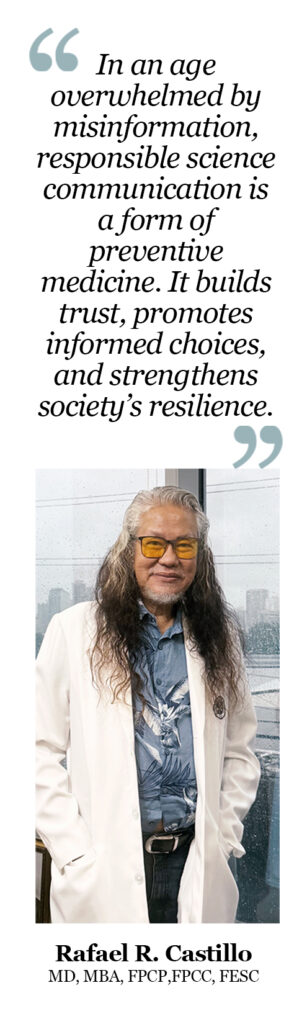
In an age overwhelmed by misinformation, responsible science communication is a form of preventive medicine. It builds trust, promotes informed choices, and strengthens society’s resilience.
As we celebrate dedicated journalists, we recognize that the pen can serve as an instrument of healing — guiding communities toward healthier, safer, and more sustainable futures.