

In medicine, we are trained to identify the patient. Sometimes that is not as straightforward as it seems.
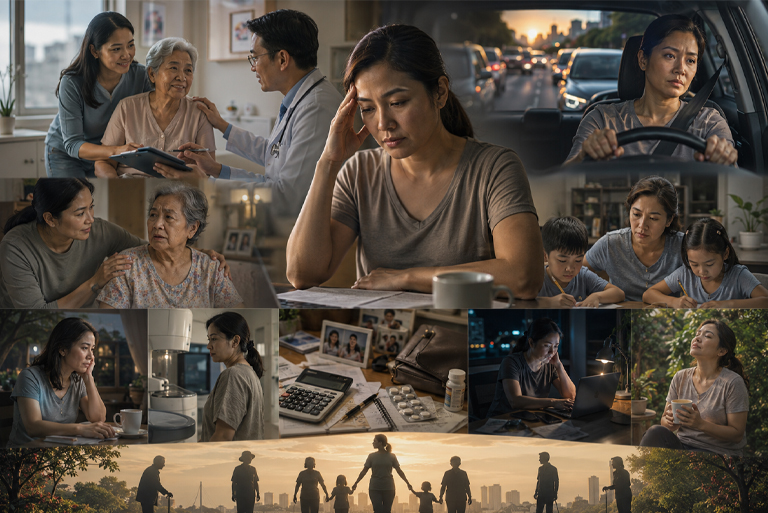
An elderly woman comes to clinic with her daughter. We examine the mother, review her laboratory results, adjust her medicines and schedule another appointment. Then they leave. But perhaps we missed the other patient.
The daughter who drove through traffic after sleeping five hours. Who paid for the medicines. Who still has children at home. Who is worried about tuition, her mother’s declining memory and her own mortgage. Who has postponed her mammogram, dental appointment and annual physical because everybody else’s needs seem more urgent.
She does not have a hospital number for today’s visit. Yet she may be the person most at risk of eventually breaking down.
There is something profoundly Filipino about caring for our parents as they age. It reflects gratitude, family solidarity and love. We should preserve that beautiful tradition. But we should abandon the idea that love is measured by how completely one person exhausts himself or herself.
Good caregiving is sustainable caregiving. Families must share the load. Physicians should ask about caregivers. Employers should recognize caregiving realities. Government should strengthen community and long-term-care support. And caregivers themselves must remember an uncomfortable but essential truth:
You are also somebody worth caring for.
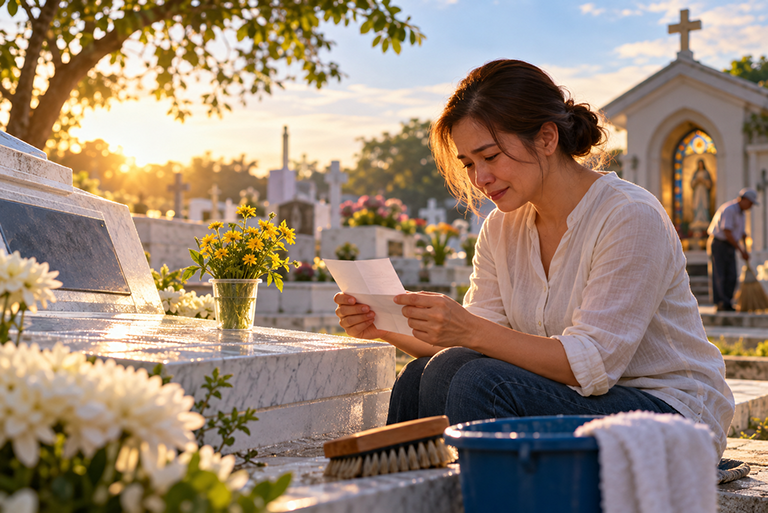
Taking your medicine, sleeping adequately, protecting your marriage, saving for retirement, asking siblings for help or spending one afternoon resting does not diminish your devotion to your parents or children. It makes that devotion sustainable.
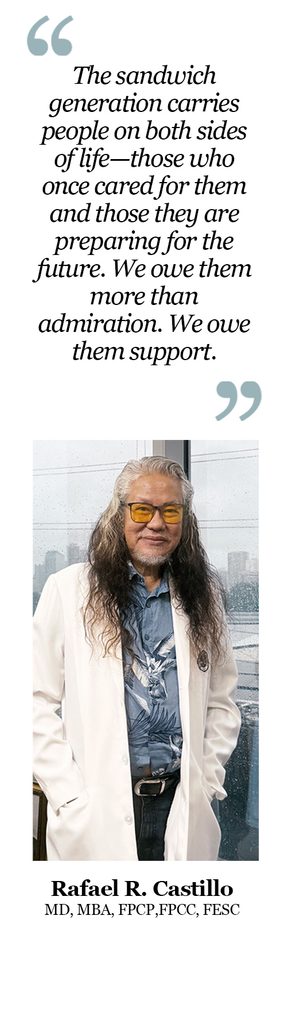
The sandwich generation carries people on both sides of life—those who once cared for them and those they are preparing for the future. We owe them more than admiration. We owe them support.


Leave a Reply